News

How Do Wheels and Rims Affect Vehicle Performance, Safety, and Driving Experience

2025-12-26 0 Leave me a message

Wheels and rims are far more than visual upgrades—they are fundamental components that directly influence vehicle performance, safety, efficiency, and overall driving comfort. From load capacity and braking stability to fuel economy and ride quality, the right wheels and rims can transform how a vehicle behaves on the road. In this in-depth guide, we explore how wheels and rims work, the differences between them, material choices, sizing considerations, maintenance best practices, and how to select the most suitable option for your vehicle.

Wheels and Rims

Table of Contents

  1. Understanding Wheels and Rims: Definitions and Basics
  2. The Structural Role of Wheels and Rims
  3. How Wheels and Rims Influence Vehicle Performance
  4. Material Choices for Wheels and Rims
  5. Sizing, Fitment, and Compatibility Considerations
  6. Wheels and Rims in Safety and Handling
  7. Maintenance and Longevity of Wheels and Rims
  8. Choosing the Right Wheels and Rims for Your Vehicle
  9. Frequently Asked Questions

1. Understanding Wheels and Rims: Definitions and Basics

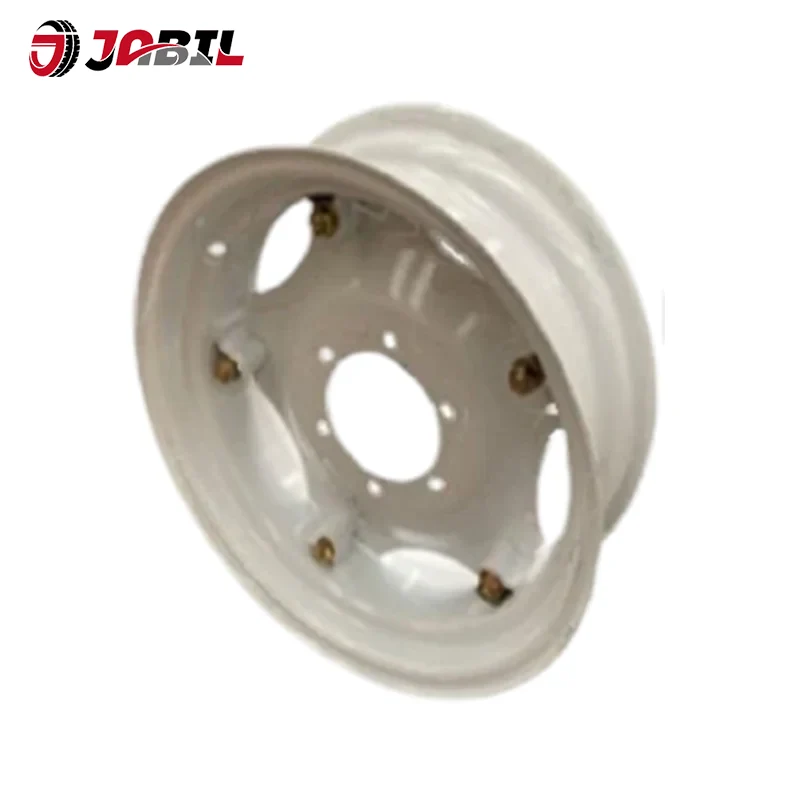
The terms wheels and rims are often used interchangeably, but they do not mean exactly the same thing. A wheel is the complete assembly that includes the rim, hub, and spokes or disc. The rim, on the other hand, is the outer edge of the wheel that holds the tire in place.

Understanding this distinction is crucial when evaluating performance upgrades or replacements. While rims directly interact with tires, wheels function as a structural system that supports vehicle weight and transfers power from the drivetrain to the road.


2. The Structural Role of Wheels and Rims

Wheels and rims serve as the foundation of vehicle motion. They bear the load of the vehicle, absorb road impacts, and maintain stability during acceleration, braking, and cornering.

  • Support vehicle weight and payload
  • Maintain tire shape and pressure
  • Enable smooth rotation and directional control
  • Assist in heat dissipation from braking systems

High-quality wheels and rims, such as those manufactured to strict standards by JABIL, are designed to balance strength, weight, and durability for long-term reliability.


3. How Wheels and Rims Influence Vehicle Performance

Performance is one of the most noticeable areas affected by wheels and rims. Weight, size, and material all play a role in how a vehicle accelerates, handles, and consumes fuel.

Factor Impact on Performance
Weight Lighter wheels improve acceleration and braking response
Diameter Larger rims enhance handling but may reduce ride comfort
Width Wider rims improve grip and stability
Material Advanced alloys balance strength and efficiency

Selecting optimized wheels and rims can significantly improve driving dynamics without compromising safety.


4. Material Choices for Wheels and Rims

Modern wheels and rims are produced from a variety of materials, each offering distinct advantages.

  1. Steel – Durable and cost-effective, ideal for heavy-duty use
  2. Aluminum Alloy – Lightweight with excellent heat dissipation
  3. Forged Alloy – High strength-to-weight ratio for performance vehicles

According to JABIL wheels and rims specifications, material selection directly influences durability and performance under different driving conditions.


5. Sizing, Fitment, and Compatibility Considerations

Proper sizing is critical when choosing wheels and rims. Incorrect fitment can cause uneven tire wear, reduced handling, and safety risks.

  • Bolt pattern compatibility
  • Offset and backspacing
  • Load rating and speed rating

Always consult manufacturer guidelines and trusted suppliers like JABIL to ensure optimal compatibility.


6. Wheels and Rims in Safety and Handling

Safety is deeply connected to the integrity of wheels and rims. Poor-quality components may crack or deform under stress, leading to loss of control.

Well-engineered wheels and rims enhance braking stability, cornering precision, and overall road confidence, especially at high speeds or under heavy loads.


7. Maintenance and Longevity of Wheels and Rims

Regular inspection and maintenance can significantly extend the life of wheels and rims.

  • Check for cracks or bends
  • Maintain proper tire pressure
  • Clean to prevent corrosion

8. Choosing the Right Wheels and Rims for Your Vehicle

The ideal wheels and rims depend on your vehicle type, driving habits, and performance expectations. Whether for passenger cars, commercial vehicles, or off-road applications, selecting a trusted manufacturer ensures long-term value.

With proven engineering expertise, JABIL provides wheels and rims designed to meet global standards for safety, durability, and performance.


Frequently Asked Questions

Are wheels and rims the same thing?

No. The rim is part of the wheel. The wheel includes the rim, hub, and spokes or disc.

Do larger rims improve performance?

Larger rims can enhance handling but may reduce ride comfort if not properly matched with tires.

How often should wheels and rims be inspected?

It is recommended to inspect them during every tire rotation or at least twice a year.


Wheels and rims play a critical role in how a vehicle performs, handles, and stays safe on the road. Making informed decisions based on material, size, and application can lead to measurable improvements in driving experience and long-term reliability.

If you are looking for professionally engineered wheels and rims that meet international standards, contact us today to learn how JABIL can support your vehicle or business needs with reliable, high-performance solutions.

Related News
Leave me a message
X
We use cookies to offer you a better browsing experience, analyze site traffic and personalize content. By using this site, you agree to our use of cookies. Privacy Policy
Reject Accept