News

Five Major Causes of Solid Forklift Tire Wear

2025-12-29 0 Leave me a message

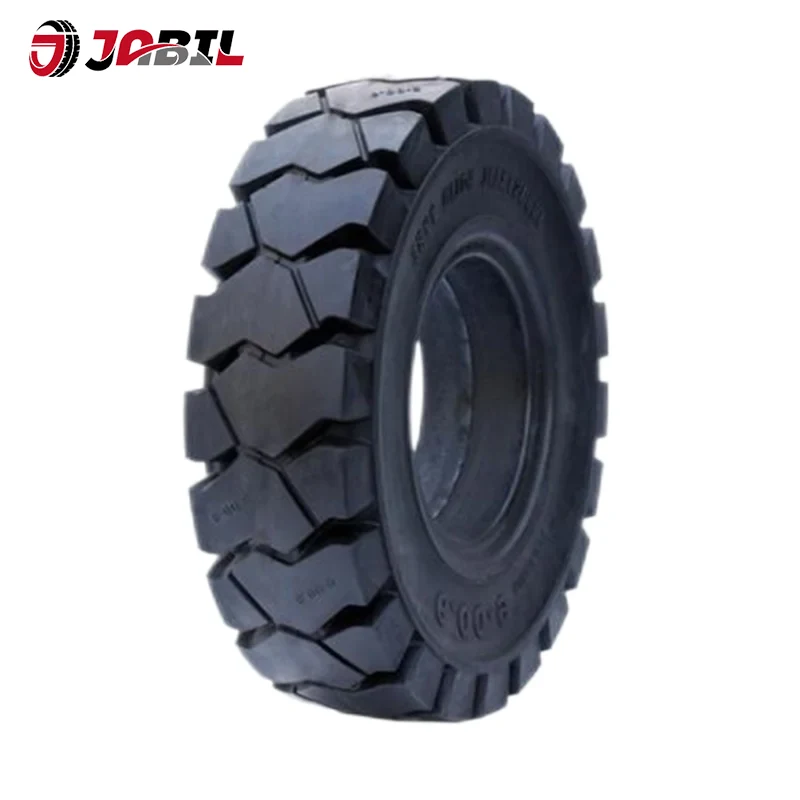
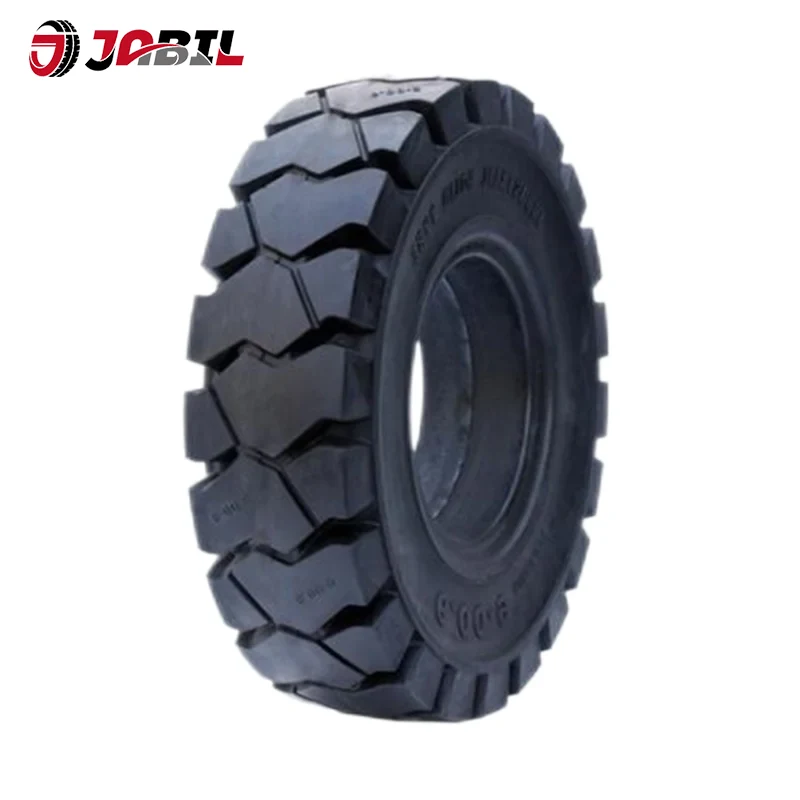
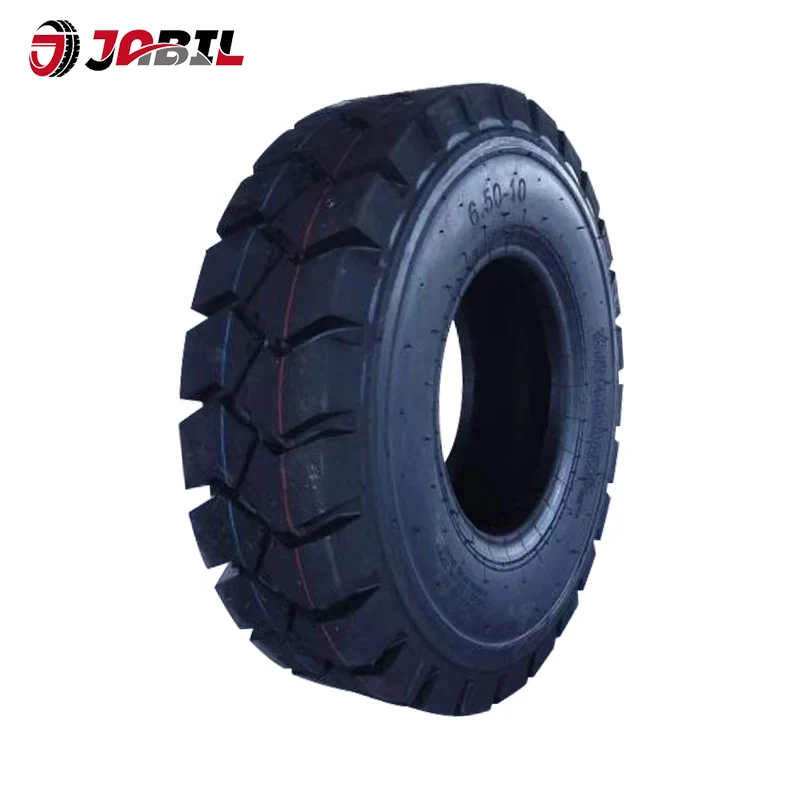
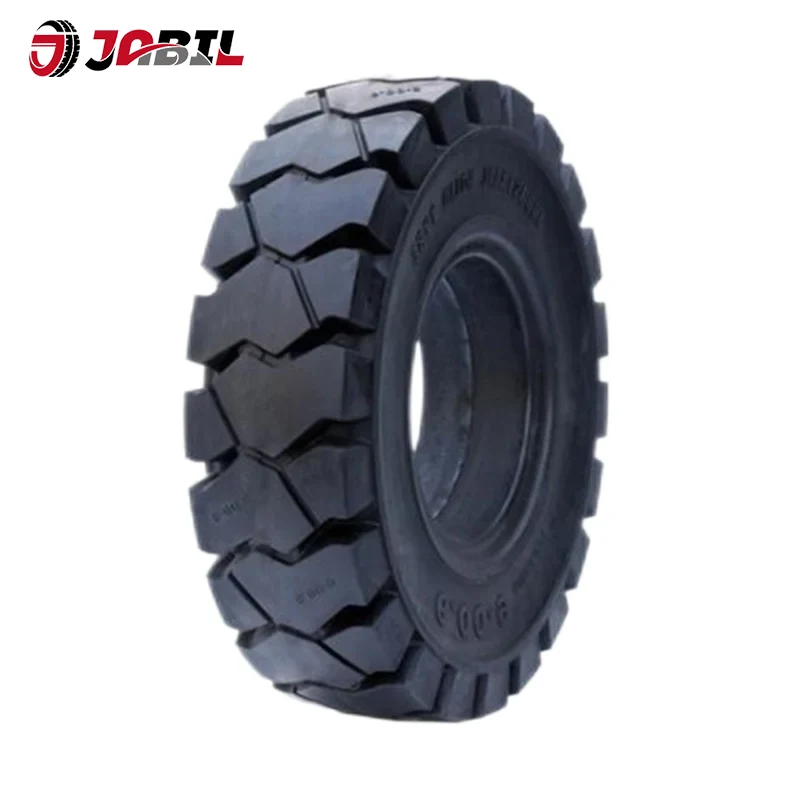
Forklift Solid Tires with ClipCause 1: Under specified forklift solid tire pressure, overloading causes excessive bending deformation, increasing stress on the plies and cords. This leads to cord breakage, loosening, and ply separation in the sidewall area. At this point, the stress on the tire carcass cords exceeds the design tolerance. Simultaneously, increased ground pressure generates more heat, raising the tire carcass temperature and reducing load-bearing capacity. Additionally, contact between the tire shoulder and the ground causes wear. Encountering obstacles—even a small rock—can trigger crown blowouts. Practice demonstrates that when solid forklift tire load exceeds 20% during cornering or on uneven surfaces, service life shortens by 35%; exceeding 50% reduces life by 59%; and exceeding 100% results in over 80% reduction.


Reason 2: Due to differing load distribution between front and rear axles, distinct operational characteristics of drive and steering wheels, and variations in road conditions, tire wear patterns become inconsistent. If tires on opposite sides of the same axle are not replaced with identical makes, sizes, constructions, ply ratings, and tread patterns, accelerated tire wear occurs.


Reason 3: At a given load and tire pressure, increased vehicle speed amplifies tire deformation frequency, carcass vibration, and circumferential/lateral distortion (forming static waves).This generates greater friction heat per unit time, degrading tire performance and potentially causing ply separation or tread delamination, thereby accelerating wear and damage.


Reason 4: When tires come into contact with grease, acidic or alkaline substances, or are exposed to high temperatures for extended periods, their physical and chemical properties deteriorate, significantly reducing their load-bearing capacity and increasing the risk of tire blowouts during use. In addition, tires corroded by oil may also exhibit phenomena such as block peeling of the airtight layer, small areas of rubber detachment at the bead, and separation of the tire carcass cords from the rubber. Because the patch cannot adhere to the oil-contaminated rubber, even minor tire damage cannot be repaired.


Reason 5: Road conditions also significantly affect tire life, the friction between the tire and the ground, and the dynamic load the tire can withstand.


Related News
Leave me a message
X
We use cookies to offer you a better browsing experience, analyze site traffic and personalize content. By using this site, you agree to our use of cookies. Privacy Policy
Reject Accept