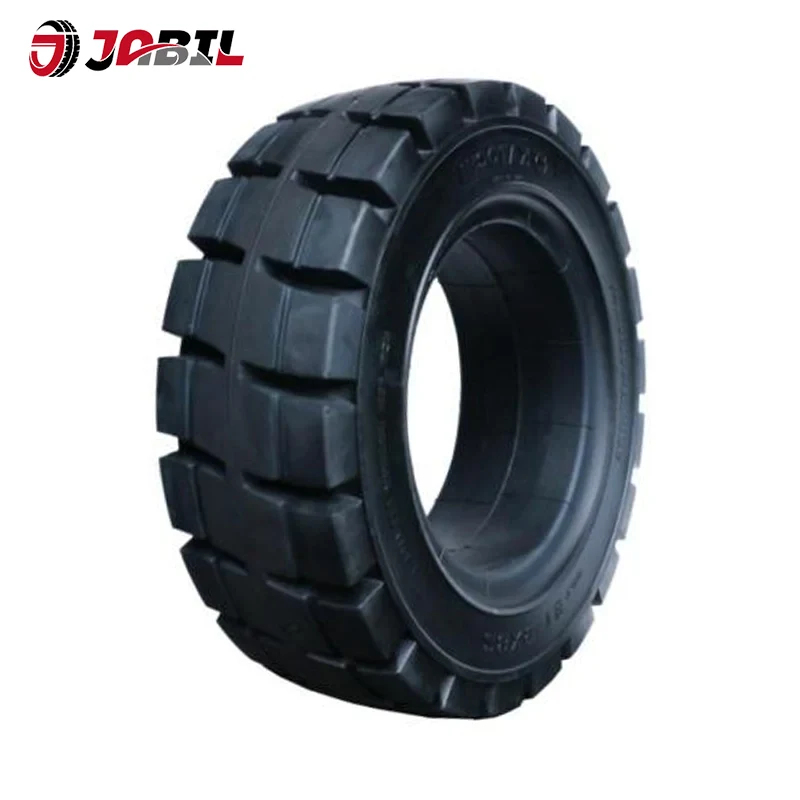
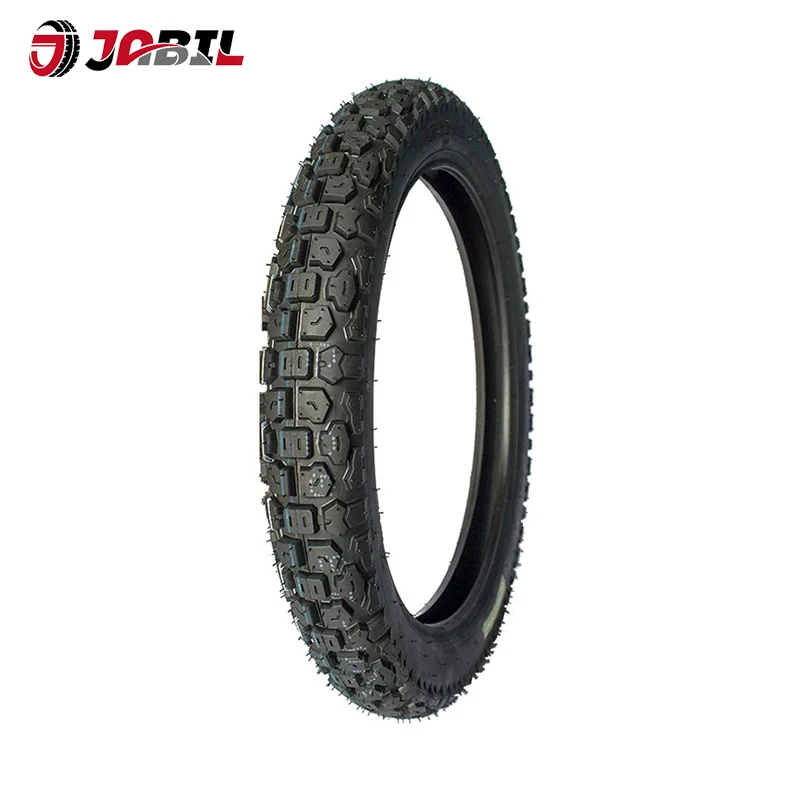
Choosing the right Agricultural Tires is not simply a matter of matching a tire to a machine. Field conditions, load, tread geometry, flotation, self-cleaning behavior, operating speed, inflation pressure, and crop sensitivity all influence how a tire performs. Different equipment requires different contact characteristics: a tractor needs dependable traction, irrigation equipment needs stable movement over wet ground, paddy-field machinery needs flotation, implements need controlled load support, and lawn equipment needs a lighter footprint. This guide explains the practical differences, selection logic, maintenance priorities, and application-specific considerations that help buyers evaluate agricultural tire requirements with greater technical clarity.
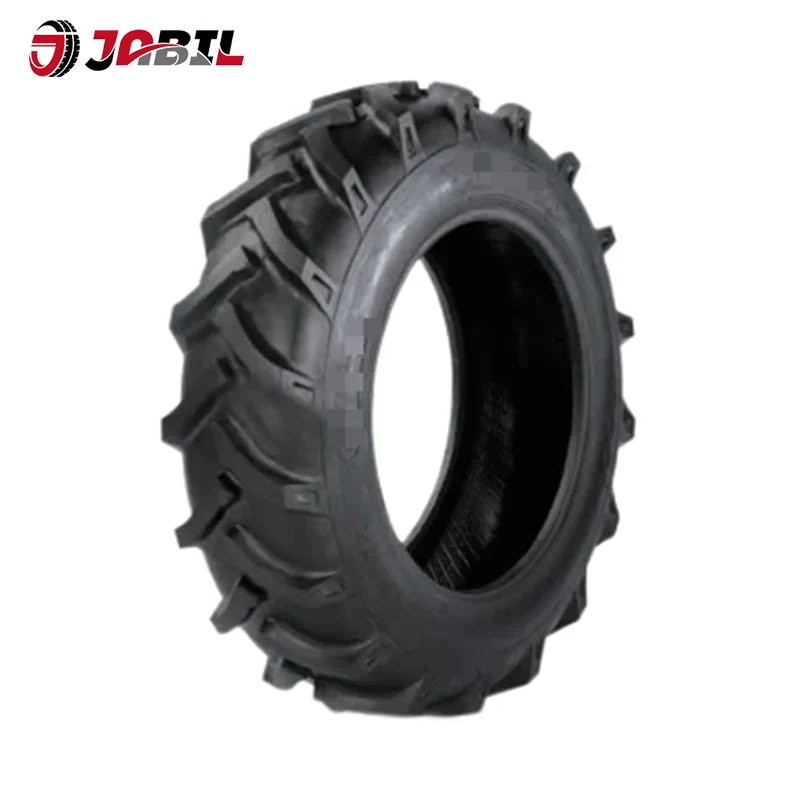
Table of Contents
Select a section to jump directly to the information you need.
- 01. Why Tire Design Matters in Field Work
- 02. How Should Tire Type Match the Application?
- 03. What Tread Features Affect Traction and Self-Cleaning?
- 04. How Do Flotation and Soil Contact Influence Field Performance?
- 05. How Should Load and Inflation Pressure Be Considered?
- 06. What Construction Details Support Tire Durability?
- 07. What Maintenance Practices Help Preserve Performance?
- 08. What Should Buyers Check Before Selecting a Tire?
- 09. Frequently Asked Questions
Why Tire Design Matters in Field Work
A farm tire works at the boundary between a machine and the ground. That simple interface determines how efficiently engine or hydraulic power is transferred into forward motion, how the machine reacts to changing terrain, and how much disturbance reaches the soil.
Unlike road-oriented tires, field tires must respond to surfaces that are rarely uniform. A tractor can move from a firm headland to loose soil, a wet patch, residue-covered ground, or a sloped section within the same working cycle. Irrigation machines may travel repeatedly across damp fields. Paddy-field equipment encounters saturated soil and standing water. Implements can carry substantial loads while following the towing path of another machine.
For that reason, tire selection should begin with operating conditions rather than with appearance alone. A tread that looks aggressive may not be the most suitable choice for every application. The useful question is whether the tire creates the right balance among traction, flotation, stability, soil interaction, load support, and durability.
Ground Interaction
Contact with the surface is shaped by tread width, lug geometry, air pressure, casing behavior, and the condition of the soil beneath the tire. These factors work together rather than independently.
Machine Behavior
Steering response, wheel slip, vibration, and stability are influenced by the way the tire carries load and conforms to the terrain. The correct specification depends on the machine and task.
Modern agricultural operations also place greater emphasis on repeatability. Equipment may work for long periods under similar conditions, so predictable tread engagement and pressure management are important. Consistent performance can reduce unnecessary variation between passes and make equipment behavior easier for operators to manage.
How Should Tire Type Match the Application?
The most useful starting point is to identify what the machine is trying to do on the ground. The tire category should support that task instead of forcing one tread concept into every agricultural environment.
| Application | Primary Ground Challenge | Useful Tire Characteristics | Key Selection Question |
|---|---|---|---|
| Tractor work | Need for traction on variable surfaces | Deep lugs, controlled flex, strong directional engagement | How much traction is required, and under what soil conditions? |
| Irrigation equipment | Wet, muddy, or uneven field travel | Stable footprint, useful width, reliable traction | Will the tire keep the equipment moving without excessive sinking? |
| Paddy-field equipment | Soft soil, mud, and standing water | Large footprint, flotation, mud displacement | How well can the tire spread load and clear mud? |
| Agricultural implements | Carried loads and repeated towing cycles | Load-supporting construction, suitable sidewalls, correct fitment | Does the tire match the implement load and wheel assembly? |
| Lawn and garden equipment | Protecting finished grass and planted areas | Gentle traction, shallower tread, shock absorption | Can the tire provide movement without unnecessary turf damage? |
| Forest work | Rocks, roots, branches, mud, and debris | Reinforced sidewalls, aggressive tread, self-cleaning behavior | Can the construction withstand sharp and abrasive terrain? |
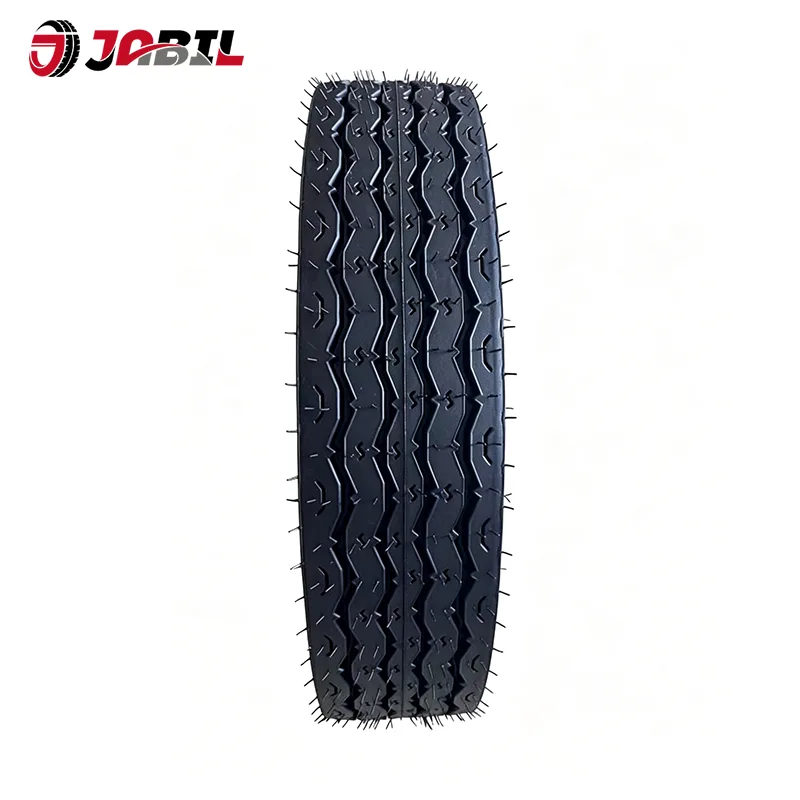
For buyers comparing Agricultural Tires, the application should be defined before the tread pattern is evaluated. Tractor tires are generally selected around traction and stability. The supplied product range describes deep tread designs intended to dig into soft, muddy, or uneven terrain and help limit slippage. That makes tread geometry especially relevant where drawbar work places substantial torque through the wheels.
Irrigation tires require a slightly different emphasis. A wide tread can spread equipment weight over more ground area, while an appropriate tread pattern helps the machine move across wet or uneven sections. Because irrigation equipment may travel along repeated routes, predictable rolling behavior can be just as important as peak traction.
Paddy-field tires place even more attention on flotation. A large-diameter, wide design can distribute machine weight over a broader contact area, helping reduce the tendency to sink into soft soil. The tread must also move mud and water away from the contact zone so that usable grip is maintained.
Agricultural implement tires are governed by load rather than by tractor-style traction alone. Plows, seed drills, trailers, and related implements can place substantial static and dynamic loads on the tire. In these cases, casing strength, sidewall support, wheel compatibility, and the recommended load and pressure relationship deserve careful attention.
Lawn and garden equipment introduces an opposite requirement. Deep, aggressive agricultural tread is not automatically desirable where the surface is maintained grass. A shallower pattern and gentler ground contact can help equipment move without creating deep ruts or unnecessary surface damage.
Forest applications combine several difficult conditions at once. Sharp debris, slopes, mud, loose gravel, and uneven ground can all appear in one operating area. A suitable design therefore needs both mechanical protection and tread behavior that can continue clearing debris rather than becoming packed with mud.
What Tread Features Affect Traction and Self-Cleaning?
Tread is the most visible part of a tire, but its value comes from geometry and interaction with the ground rather than from visual aggressiveness alone.
Deep Lugs and Ground Engagement
Deep lugs can increase the ability of a tire to bite into loose or soft soil. On tractor applications, lug angle and spacing influence how the tread enters the ground, develops longitudinal force, and releases soil as the wheel rotates. A well-designed agricultural tread should support traction without creating a pattern that quickly fills with mud.
The supplied product information highlights an R-1W pattern with deeper lugs and an optimized 45-degree angle for self-cleaning in wet clay. The important technical principle is that tread geometry needs to support both entry into the soil and release from it. When soil remains packed between lugs, the effective shape of the tread can change and available grip may decrease.
Self-Cleaning Behavior
Self-cleaning is especially important in wet fields and muddy environments. As the wheel rotates, the tread should release mud and debris instead of carrying a packed layer around the tire. The best pattern depends on the application, because a design optimized for soft mud will not necessarily be ideal for turf or hard surfaces.
Traction Versus Surface Protection
Maximum grip is not the only objective. A tire that produces strong bite can also disturb soil more aggressively. For crop rows, finished lawns, or sensitive ground, the selection target may shift toward controlled traction and reduced surface disturbance.
- Use deep and appropriately angled lugs where sustained traction is the dominant requirement.
- Consider tread spacing when operating in wet clay or mud that can pack between lugs.
- Balance traction with the need to protect crop rows, turf, or cultivated soil.
- Look at the entire tread pattern rather than judging a tire by lug depth alone.
For field equipment, ask how the tread behaves during the complete wheel cycle: entry, load transfer, forward movement, and release. A tread that works well in one phase but packs with soil in another may not deliver consistent performance.
How Do Flotation and Soil Contact Influence Field Performance?
Flotation is the ability of a tire and machine combination to spread load over enough ground area to limit excessive sinking. It becomes particularly important when the soil is saturated, loose, or structurally weak.
A narrow tire concentrates the machine load over a smaller area. In firm conditions this may be acceptable, but on soft terrain the contact pressure can become high enough for the wheel to sink. As sinkage increases, rolling resistance can rise and the machine may require more effort to continue moving.
When comparing Agricultural Tires for soft ground, flotation should be considered alongside tread depth. Wider tires can distribute the same machine weight over a larger footprint. This is why flotation designs are often considered for paddy-field equipment, harvesters, grain carts, irrigation machinery, and other applications where soil preservation and mobility are closely connected.
Why Footprint Shape Matters
The contact patch is influenced by tire dimensions, construction, inflation pressure, and vertical load. It is not enough to say that a tire is wide; the practical result depends on how the casing carries the machine and how the tread reaches the soil.
Large-diameter designs can also contribute to flotation by increasing the footprint length and changing how the tire rolls over uneven terrain. In muddy fields, the tread then has two jobs: supporting the machine on the soil and ejecting material from the contact area as the wheel turns.
Flotation in Paddy Fields
Paddy-field conditions are a strong example of why application-specific selection matters. Saturated soil can offer very little resistance to sinking. A broad tire with a suitable tread can help distribute weight and improve the ability to move through mud without relying entirely on aggressive lug penetration.
The supplied product information describes paddy-field tires as wide and large-diameter designs intended to spread machine weight over a greater area and reduce sinking. The same source emphasizes mud and water displacement to help maintain traction during operation.
Flotation on Wet Agricultural Routes
Irrigation equipment and other support machinery can also benefit from controlled ground pressure. Repeated passes across wet areas can create ruts that later become obstacles for the same machine or other equipment. Tire selection therefore needs to consider not only whether the machine can cross the field once, but also how the tires interact with the surface during repeated operation.
Higher Flotation Focus
Soft soil, saturated fields, wet clay, paddy work, and heavy machinery generally increase the importance of footprint and ground-pressure management.
Higher Protection Focus
Crop rows, turf, ornamental areas, and finished landscapes require greater attention to tread aggressiveness and the amount of surface disturbance created during turning.
How Should Load and Inflation Pressure Be Considered?
Load and inflation pressure should be treated as a matched pair. The tire does not operate as a fixed object; its shape, contact patch, heat generation, and casing stress change with load and pressure.
Every tire application should begin with the equipment's actual operating load. A tire on an implement may experience a different load pattern from a drive axle on a tractor. Harvesting equipment can also see changing axle loads depending on the amount of material being carried and the machine's operating configuration.
Inflation pressure is equally important. Too little pressure can increase casing flex and may allow the tire to deform beyond its intended operating range. Excessive pressure can reduce the contact footprint and alter how the tire engages with the soil. Neither condition should be evaluated in isolation from the manufacturer's load information.
Use Load Tables as a Technical Starting Point
The supplied source indicates that load and inflation tables are available for specific tractor and implement applications. This approach is useful because the correct pressure cannot be determined from tire size alone. The machine load, axle configuration, operating speed, and tire specification all contribute to the correct setup.
- Identify the working load. Consider the machine, attachments, carried material, and the expected operating condition rather than an unloaded workshop configuration.
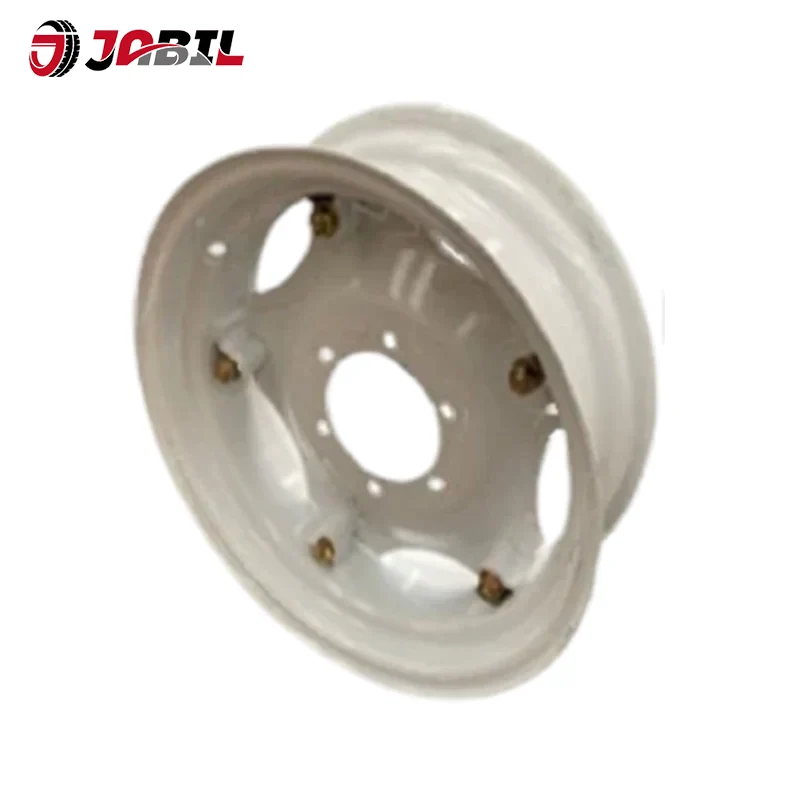
- Confirm the tire specification. Check size, ply or load designation, wheel compatibility, and any application limits supplied for the exact tire.
- Follow the load-pressure guidance. Use the manufacturer's technical data instead of selecting pressure by visual appearance alone.
- Recheck after configuration changes. Added equipment, different implements, or different loads can change the pressure requirement.
Liquid ballast is another application-specific consideration. The supplied source states that its high-ply-rating casings are engineered for hydro-inflation with water or calcium chloride. That does not mean every tire is suitable for every ballast practice. Ballast should only be used when the tire, wheel, tube or tubeless system, and machine configuration are explicitly compatible.
Two identical tire models can behave differently when installed on machines with different axle loads or working conditions. Pressure should therefore be treated as a technical operating parameter, not as a one-time mounting decision.
What Construction Details Support Tire Durability?
Durability is a combined result of materials, casing construction, tread design, operating conditions, and maintenance. A strong-looking tread cannot compensate for a construction that is poorly matched to the working environment.
Sidewall Reinforcement
Sidewalls experience repeated flexing and can encounter obstacles that do not contact the tread center. In forest conditions, sharp rocks, branches, stumps, and abrasive debris can create localized damage. Reinforced sidewalls provide an additional layer of protection where these risks are expected.
The supplied forest tire description specifically emphasizes thick, reinforced sidewalls intended to protect against cuts and punctures, together with deep, aggressive tread for slippery or uneven terrain.
Compound Selection
Rubber compound design affects wear, flexibility, heat behavior, and resistance to environmental exposure. The supplied product information describes a stubble-resistant compound for tough corn or cotton residues and notes the use of anti-ozonants and UV stabilizers for resistance to sun-related aging.
These details matter because agricultural tires are exposed to more than mechanical load. Sunlight, ozone, moisture, crop residue, mud, stones, and repeated flexing can all influence service condition over time. The correct compound is therefore part of application engineering.
Natural Rubber and Lug Flexibility
The source also highlights a high natural-rubber content as a way to preserve lug flexibility under high torque. Lug flexibility is important because rigid tread elements can experience concentrated stress when a heavily loaded machine applies high driving force.
Bead and Air Retention
The bead is a critical interface between the tire and wheel. Correct seating helps maintain air retention and supports stable installation. The supplied source states that air-retention and uniformity checks are performed before shipping, with attention to bead seating quality.
For Mud and Wet Soil
Prioritize self-cleaning tread behavior, stable casing performance, appropriate flotation, and protection against repeated flexing.
For Forest and Debris
Pay greater attention to sidewall reinforcement, tread protection, compound durability, and the ability to release trapped debris.
What Maintenance Practices Help Preserve Performance?
Even a correctly selected tire can perform poorly when pressure, fitment, damage inspection, and operating conditions are ignored. Routine checks help reveal problems before they become operational failures.
Check Inflation Regularly
Pressure should be checked with a reliable gauge and compared with the appropriate technical guidance. Visual inspection alone is not precise enough to confirm the correct operating pressure. Conditions such as temperature changes, machine loading, and long periods of storage can also affect what the operator observes.
Inspect the Tread
Look for abnormal wear, cuts, embedded stones, missing tread elements, or signs that the tread is operating differently from the other tires on the machine. Uneven wear can indicate an alignment issue, an unsuitable pressure, a mechanical problem, or an operating pattern that deserves investigation.
Inspect Sidewalls and Beads
Sidewalls should be checked for cuts, bulges, cracking, and impact damage. The bead area should remain properly seated. Any condition that suggests structural damage or loss of air retention should be assessed before the equipment returns to demanding field work.
Monitor Storage Conditions
Long-term storage should limit unnecessary exposure to direct sunlight, ozone-generating equipment, chemicals, and avoidable heat. Clean, dry storage can help preserve rubber components, while correct stacking and support reduce unnecessary mechanical stress.
- Check pressure against application-specific load guidance.
- Inspect tread and sidewalls before demanding field operations.
- Remove packed mud and debris when it affects tread behavior.
- Confirm wheel and bead seating after mounting.
- Investigate unusual vibration, pulling, or repeated air loss.
- Store tires away from prolonged direct sunlight and avoidable chemical exposure.
Maintenance is also a feedback system. If the same wear pattern appears repeatedly on one axle or one side of a machine, it can provide evidence that the problem is not simply the rubber itself. Fitment, suspension, steering, alignment, pressure, load distribution, and operating technique may all deserve inspection.
What Should Buyers Check Before Selecting a Tire?
A structured specification check reduces the risk of choosing a tire because of a single attractive feature while overlooking the actual field requirement.
For a complete Agricultural Tires selection process, start with the machine model and the exact wheel position. Front steering tires, rear drive tires, implement tires, flotation tires, and specialty equipment can require different tread concepts. Next, identify the surface conditions that occur most often and the conditions that create the greatest operating difficulty.
| Check Item | What to Record | Why It Matters |
|---|---|---|
| Machine | Equipment type, model, axle position | Determines basic fitment and operating role |
| Tire size | Exact marked size and specification | Ensures wheel and machine compatibility |
| Ground condition | Firm, loose, muddy, wet, paddy, turf, forest | Guides tread and flotation priorities |
| Load | Normal and demanding operating loads | Supports correct load and pressure selection |
| Traction requirement | Drawbar work, towing, steering, transport | Helps determine tread aggressiveness and lug design |
| Soil sensitivity | Crop rows, turf, cultivated soil | Helps control surface disturbance and rutting |
| Environmental exposure | Sun, ozone, water, crop residue, debris | Supports appropriate compound and construction choices |
Build the Requirement From Conditions
Instead of asking only for a particular tread pattern, describe the complete operating environment. A useful specification request can state the machine, tire position, tire size, expected load, surface type, typical moisture condition, required traction level, speed range, and any special exposure such as crop stubble or forest debris.
This level of detail helps a technical supplier determine whether the intended tire category is appropriate. It also makes comparisons more meaningful because the products are being assessed against the same operating conditions.
Do Not Treat Every Agriculture Tire as Interchangeable
Two tires can share the same nominal size while having different tread designs, load capacities, casing constructions, or intended applications. Compatibility therefore needs to be verified from the full technical specification, not only from dimensions.
For distributors and equipment operators, consistency in naming and specification records is also useful. A clear internal record should include the tire model, size, application, wheel position, load requirements, pressure guidance, and the operating environment for which the tire was selected.
Machine + wheel position + load + ground condition + traction need + soil sensitivity + environmental exposure = a more complete tire specification.
When a Narrow Row-Crop Tire Is More Appropriate
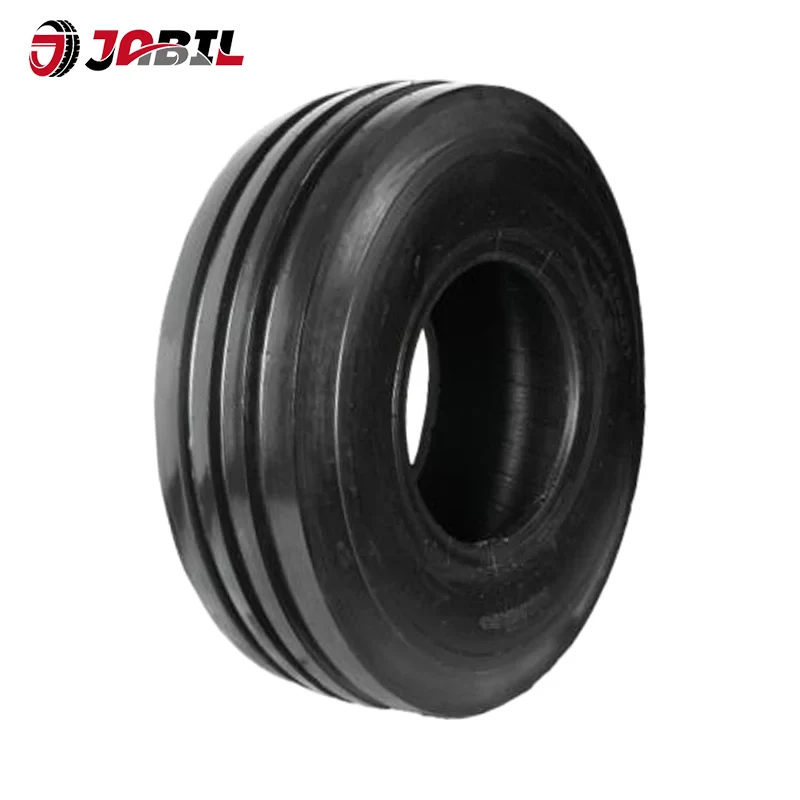
High-clearance sprayers and similar machines may need narrow row-crop tires that can operate between crop rows. The supplied source describes such tires as having the clearance required to pass between rows while supporting the load requirements of large spraying equipment. The correct choice therefore depends on both dimensional fit and crop protection needs.
When Flotation Should Take Priority
Heavy harvesters, grain carts, and other machines operating on softer fields may require high-flotation designs. In these cases, the goal is to manage ground pressure and maintain mobility rather than simply maximize lug bite.
Frequently Asked Questions
How do R-1 and R-1W tread patterns differ in wet conditions?
The supplied product information describes R-1W as using deeper lugs and a 45-degree tread angle to improve self-cleaning in wet clay. The practical effect is to help clear packed soil and maintain usable traction as the tire rotates.
Why are wide tires useful in paddy fields?
A wider footprint can spread machine weight over a larger area, which can help reduce sinkage in soft soil. In paddy conditions, suitable tread geometry also needs to move mud and water away from the contact area.
Are deeper lugs always better for agriculture?
No. Deeper lugs can be valuable for traction in loose or muddy terrain, but turf, crop rows, and other sensitive surfaces may require a gentler tread. The correct depth and pattern depend on the application.
Can implement tires be selected only by matching the size?
No. Size is necessary but not sufficient. Load capacity, wheel compatibility, construction, pressure guidance, and the actual working load should also be verified.
What should be checked when a tire loses air repeatedly?
Inspect the tire, bead area, wheel, valve assembly, and mounting condition. Repeated air loss should be investigated rather than corrected only by adding air, especially when the equipment is used under demanding field loads.
Can agricultural tire tread patterns be used on lawns?
Not automatically. Lawn and garden equipment often benefits from shallower, gentler tread designs that provide controlled traction while reducing turf disturbance and deep rut formation.
What makes a tire suitable for forest conditions?
Forest applications can expose the tire to sharp rocks, branches, roots, mud, and steep ground. Reinforced sidewalls, durable construction, aggressive traction, and self-cleaning tread behavior are important considerations.
Can liquid ballast be used in every farm tire?
No. Ballast should only be used when the tire and wheel system are designed and approved for that application. Follow the specific manufacturer's technical guidance for the tire, wheel, fluid, and machine configuration.
Why should pressure be matched to load?
Load and pressure influence the tire's footprint, casing flex, heat behavior, and contact with the ground. A pressure that works under one load condition may not be appropriate under another.
How can I make a technical tire inquiry easier to review?
Provide the machine type, exact tire size, wheel position, expected load, field conditions, traction requirements, and any unusual exposure such as wet clay, crop stubble, turf, or forest debris. Complete operating information makes technical matching more precise.
Need Help Defining the Right Tire Specification?
Clear equipment details make tire selection more precise. Share the machine application, tire size, working load, terrain, and operating conditions so the technical requirements can be reviewed against the intended use. The manufacturing background and product scope can be reviewed through JABIL.
Contact us for application-focused tire guidance