News

What factors determine the selection of forklift tires?

2025-12-22 0 Leave me a message

The following selection recommendations are based on the different characteristics of pneumatic forklift tires and solid tires and their impact on overall vehicle performance:

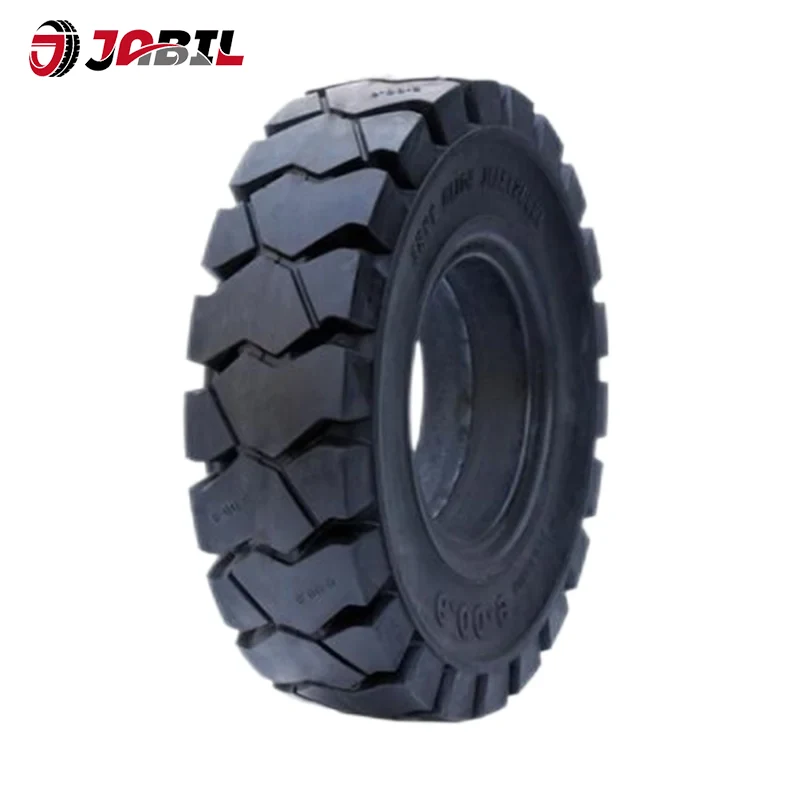
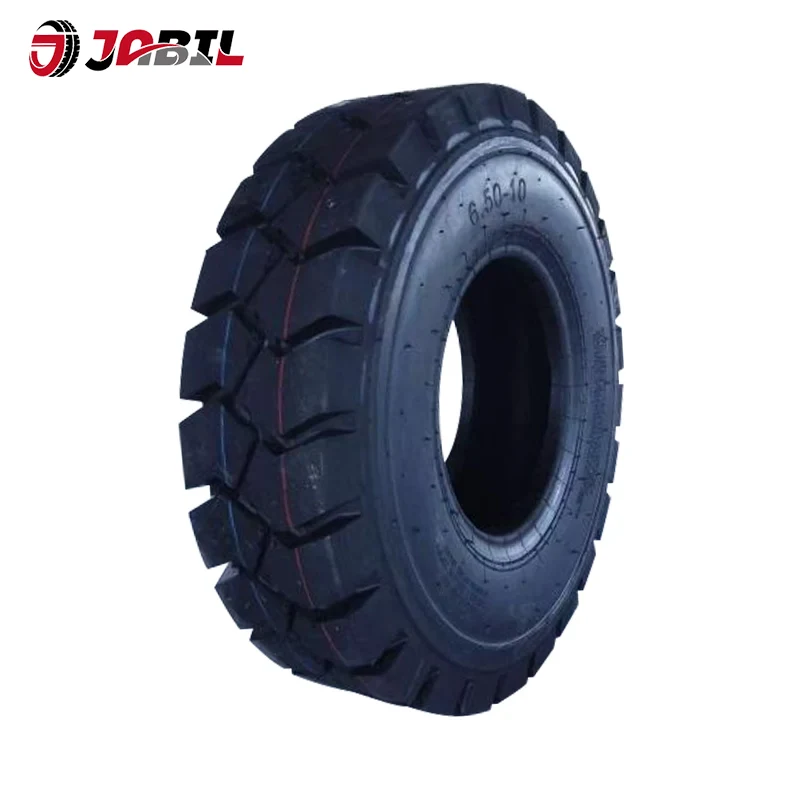
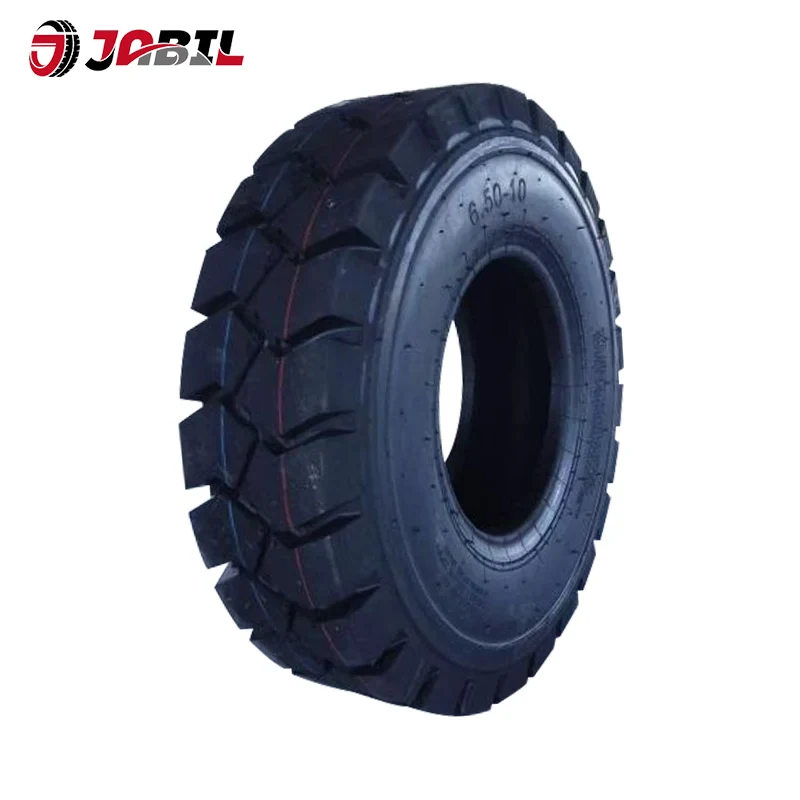
Forklift Solid Tires with Clip

(1) Forklift operating environment

If there are no special requirements regarding the size of the work area, the presence of glass on the road surface, or the load-bearing capacity of the road surface, pneumatic tires are generally used.


(2) Maximum tire load capacity

Generally, solid tires are used when a high load capacity is required, and pneumatic tires are used otherwise.


(3) Forklift speed

Typically, due to their larger diameter, pneumatic tires allow for higher speeds, while solid tires result in slower speeds. Therefore, pneumatic tires are generally used in situations requiring higher speeds. Of course, with a fixed engine power and overall transmission ratio, changes in wheel diameter will affect the wheel's traction.


(4) Forklift ground clearance requirements

Using pneumatic tires helps to increase the forklift's ground clearance and improve its off-road performance. Also, due to their larger size, pneumatic tires provide more space for brake installation. Therefore, pneumatic tires are suitable for situations where brake installation is difficult.


(5) For situations requiring high maneuverability

Solid tires can be used because they reduce the forklift's front overhang and wheelbase, thereby reducing the overall size of the forklift and improving its maneuverability.


(6) Forklift type and working environment requirements

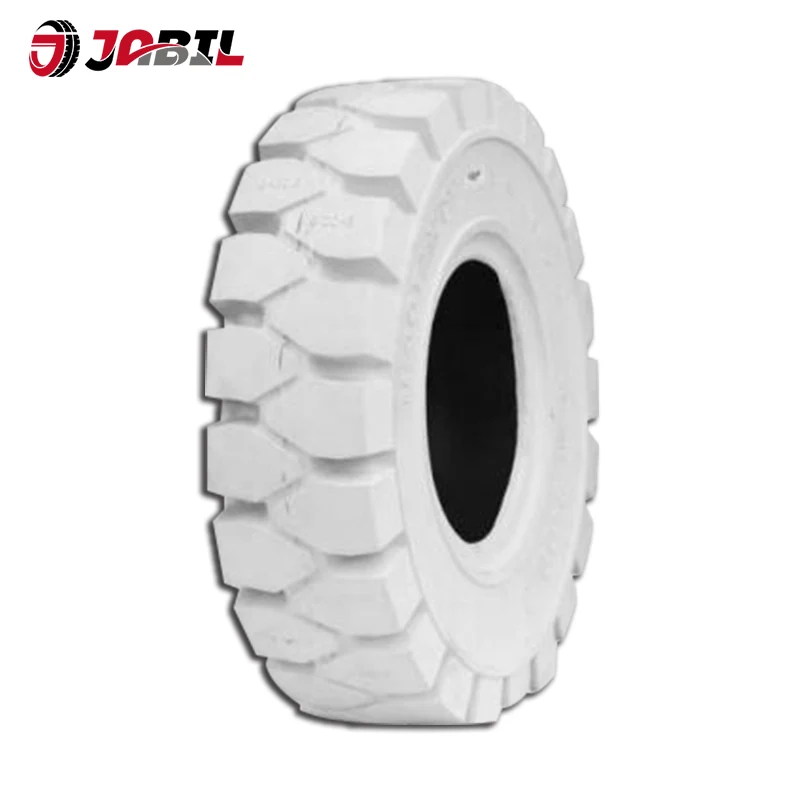
If the forklift is a European model used in environments with high hygiene requirements, such as food processing facilities, then quick-mount, environmentally friendly, non-marking solid tires should be selected.

In national standards, the unit of tire size is millimeters (mm) for the "82" series and "70" series radial tires (indicating tire section width), and inches (in) for the rim diameter. For all other types of tires, both the tire section width and rim diameter are expressed in inches (in). Its standard sizes include:


8.15-15 (28X9-15), 6.50-10, 7.00-12, 6.00-9, 8.25-15, 5.00-8, 23X9-10, 18X7-8, 21x8-9, 16x6-8, 200/50-10, 15x4.50-8, 27X10-12, 250-15, 300-15, etc.


Related News
Leave me a message
X
We use cookies to offer you a better browsing experience, analyze site traffic and personalize content. By using this site, you agree to our use of cookies. Privacy Policy
Reject Accept