News

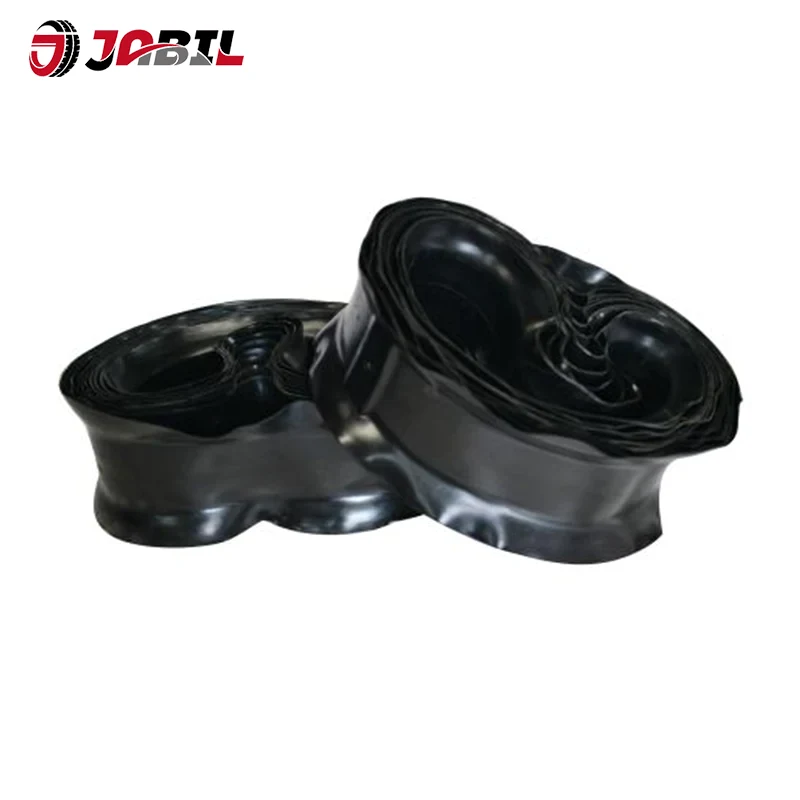
What are the Structural Features of Tire Flaps?

2025-12-03

Tire flaps are strip-like components widely applied in mechanical transmission systems, with their structural traits tailored to transmission performance demands, mainly reflected in the following aspects:  

Tire Flaps

Base Material  

Polymer materials such as polyester, polyamide, and polyurethane are commonly adopted as the base. These materials form the core framework of tire flaps, boasting inherent excellent wear resistance and heat resistance—key properties to withstand long-term mechanical friction and temperature fluctuations during transmission.  

Reinforcement Layer  

To enhance overall structural strength and rigidity, a reinforcement layer is integrated into the tire flaps. Materials like steel wire, glass fiber, and carbon fiber are typically selected for this layer. Their high-tensile characteristics effectively make up for the insufficient rigidity of polymer bases, ensuring the tire flaps maintains stable shape under load.  

Surface Layer  

The outermost surface layer is designed for optimized friction performance. Rubber or polyester is usually used here, as these materials can form a stable friction interface with transmission components. This not only guarantees reliable power transmission but also further elevates wear resistance, extending the component’s service life.  

Structural Types  

In terms of overall structure, pad strips come in various designs including flat, flanged, and toothed types. Each type targets specific transmission scenarios: flat ones for basic linear transmission, flanged variants for anti-deviation needs, and toothed models for high-precision power transfer—all adapting to diverse mechanical transmission requirements.  

In summary, tire flaps are transmission-focused strip components. Through the synergistic combination of base material, reinforcement layer, surface layer, and targeted structural designs, they achieve a balance of high strength, rigidity, friction stability, and wear resistance, fulfilling the core demands of mechanical transmission systems.


Related News
X
We use cookies to offer you a better browsing experience, analyze site traffic and personalize content. By using this site, you agree to our use of cookies. Privacy Policy
Reject Accept