News

The relationship between the price and quality of solid tires

2026-02-03 0 Leave me a message

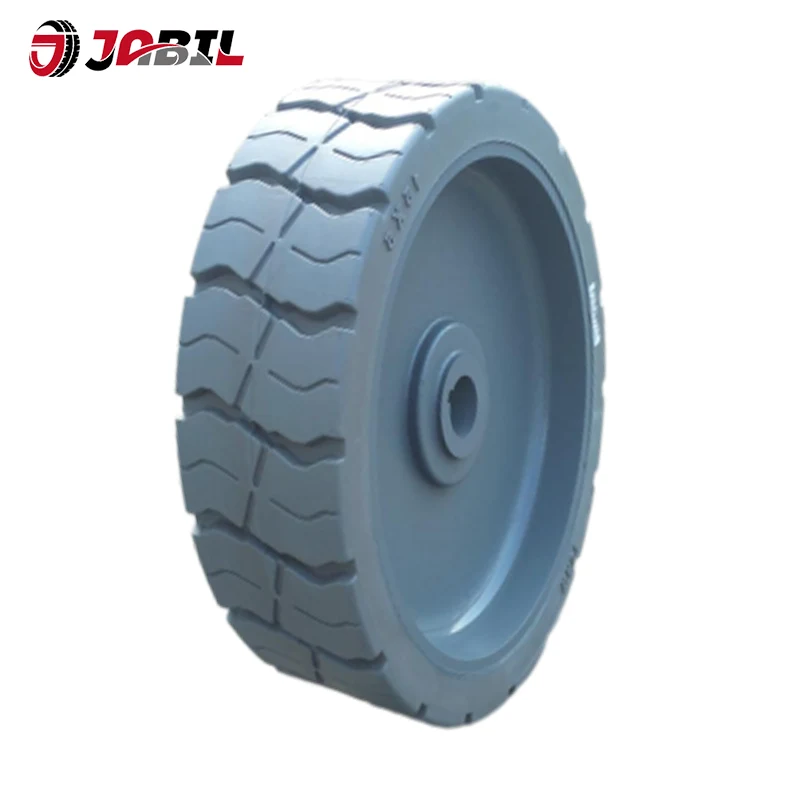
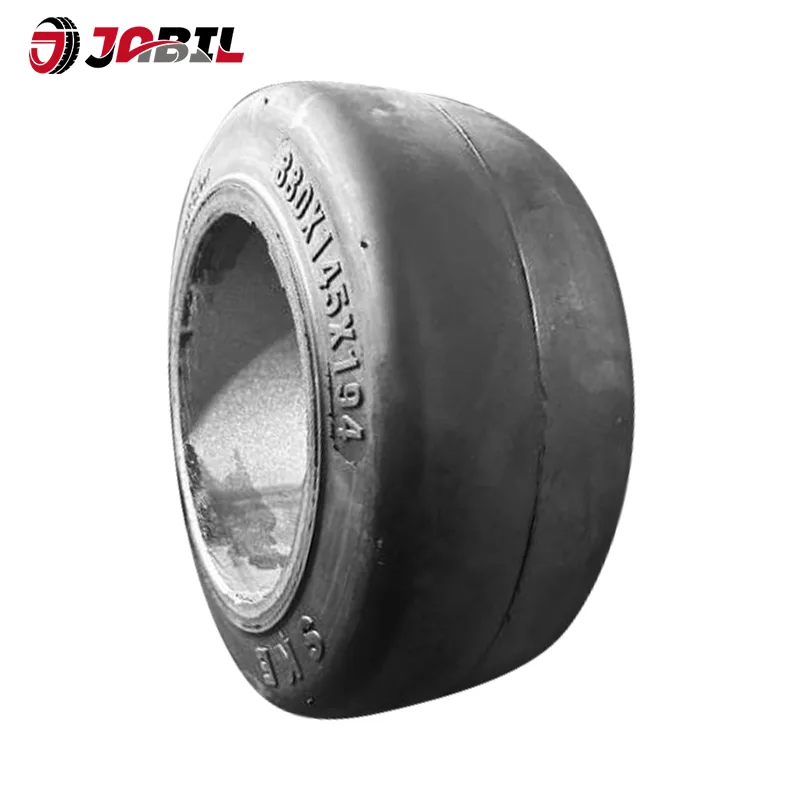
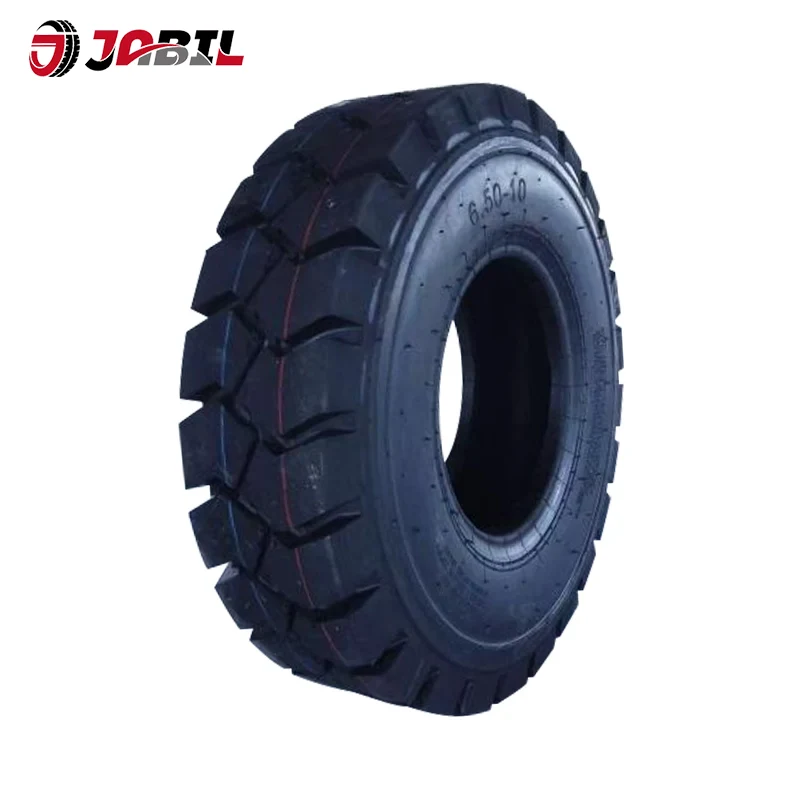
Solid tires are widely used in various equipment in multiple fields such as industry, logistics, and construction, including forklifts, construction machinery, industrial vehicles, and airport ground equipment. As an important type of industrial tire, the price and quality of solid tires are two key factors that customers pay close attention to when making purchases. Different prices often represent different quality levels. However, price is not the standard for measuring quality. Understanding the relationship between the two can help consumers make wiser decisions when choosing.

This article will delve into the relationship between the price and quality of solid tires, and analyze the factors influencing their price and quality, helping users better understand and choose the appropriate solid tires.

solid tires

1. Quality characteristics of solid tires

First of all, we need to understand the quality standards and main features of solid tires. Quality is mainly reflected in the tire's durability, load-bearing capacity, shock absorption performance, wear resistance and safety, etc. Specifically, excellent solid tires have the following characteristics:

1.1 Wear Resistance

Abrasion resistance is an important indicator of the quality of solid tires. High-quality solid tires usually use excellent rubber materials and add an appropriate amount of anti-wear agents during the manufacturing process to ensure that the tires are not easily worn during long-term use. Tires with strong abrasion resistance can extend their service life, reduce the frequency of replacement, and thus lower operating costs.

1.2 Stress Resistance Capacity

The compressive resistance performance is one of the key factors determining the service life of solid tires when they are under heavy loads. Excellent tires have a higher compressive resistance capacity, can maintain a good shape under larger loads, and are less likely to deform or burst. High-quality solid tires, through the application of special processes and materials, enable the tires to withstand greater pressure and are suitable for more demanding working environments.

1.3 Seismic Resistance

Outstanding solid tires not only need to have excellent load-bearing capacity but also good shock absorption. Good shock absorption can reduce the damage to equipment in high-frequency vibration environments and extend the service life of mechanical equipment. High-quality solid tires can effectively absorb vibrations in complex ground environments, ensuring the stable operation of equipment.

1.4 Safety

Safety is another crucial indicator for evaluating the quality of solid tires. High-quality tires will undergo strict quality inspection procedures to ensure that they do not experience cracking, peeling or other safety hazards during use, thereby reducing the risk of accidents in the operation of construction sites or factories.

2. Factors Affecting the Price of solid tires

The price of solid tires is influenced by a variety of factors, among which quality is undoubtedly one of the key factors. Other factors affecting the price include materials, production processes, brands, specification requirements, market demand, etc. Below, we will analyze in detail how these factors influence the price of solid tires.

2.1 Material Selection

The raw materials of tires are the direct factors influencing their prices. High-quality solid tires usually employ high-performance rubber raw materials and composite materials, which offer better wear resistance, pressure resistance and shock absorption. Excellent rubber raw materials may come from natural rubber or high-performance synthetic rubber, with relatively high costs. Therefore, the prices of the tires produced are also relatively expensive.

On the contrary, tyres made of inferior materials are usually cheaper, but their durability and safety may be greatly reduced. Therefore, when making a purchase, consumers should be wary of the potential quality risks of low-priced tyres.

2.2 Production Process

The production process of tires determines their quality and performance, and directly affects the price. High-quality solid tires usually adopt advanced production processes, which may include:

High-temperature vulcanization process: Through high-temperature vulcanization, the molecular structure of rubber is strengthened, enhancing the wear resistance and pressure resistance of tires.

Composite material technology: Utilizing advanced composite material technology to make tires more robust and durable.

Mold design: Through mold design, the shape and size of the tires are ensured to be consistent, guaranteeing their stability during use.

The more advanced the technology applied in the production process, the higher the production cost, which leads to a higher price of the product.


Related News
Leave me a message
X
We use cookies to offer you a better browsing experience, analyze site traffic and personalize content. By using this site, you agree to our use of cookies. Privacy Policy
Reject Accept