Tire Knowledge Base

Heavy-Duty Tractions & High-Aisle Stability: Reach Truck Rubber Tire Demand Trends and Operational Guide

2026-06-11 0 Leave me a message

This article addresses the common pain points of using rubber tires on reach trucks in narrow-aisle warehousing, including slippage, body shaking during high-level lifting, premature tearing, and improper inflation management.

1 Actionable Data Point with Source

According to the Industry Research global market report on pneumatic and solid tires for industrial trucks, as high-density warehousing and indoor-outdoor cross-logistics expand, reach trucks now account for 18% of the global forklift tire market share. The report highlights that unscheduled downtime caused by uneven tire pressure or incorrect rubber compound selection costs an average of 12 hours of operational efficiency per forklift annually. This has accelerated the industry shift toward reinforced sidewall technologies and highly wear-resistant rubber compounds.

Source: Industry Research - Pneumatic and Solid Tires For Industrial Truck Market Report

2 Scenario-Based Solutions

Reach trucks require maximum tire grip and dampening stability due to their unique moving masts and high lift capabilities.

Scenario 1: Indoor-Outdoor Transition Warehousing (Ramps & Wet/Damp Surfaces)

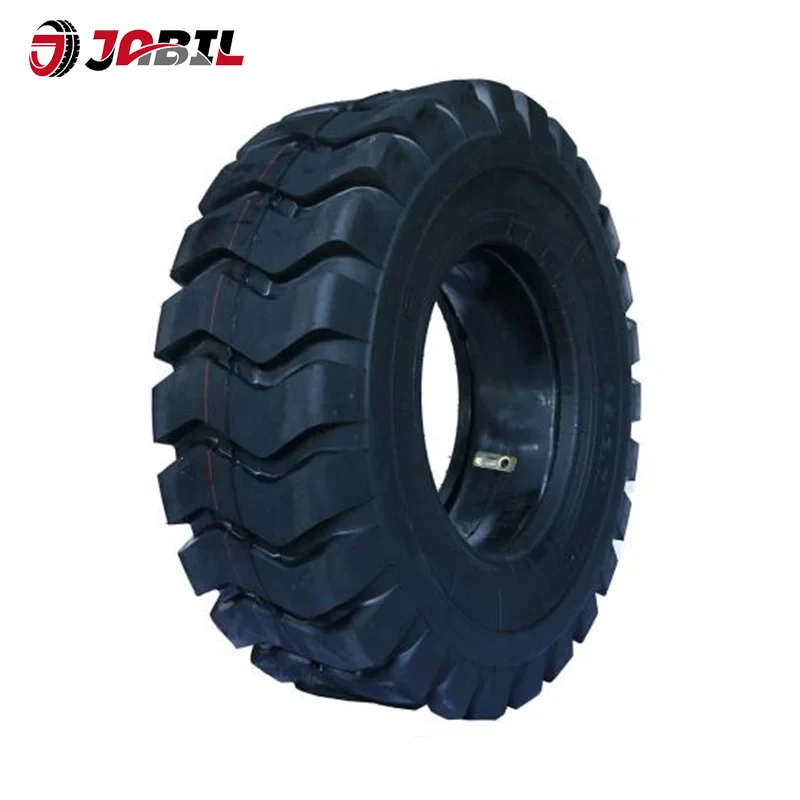
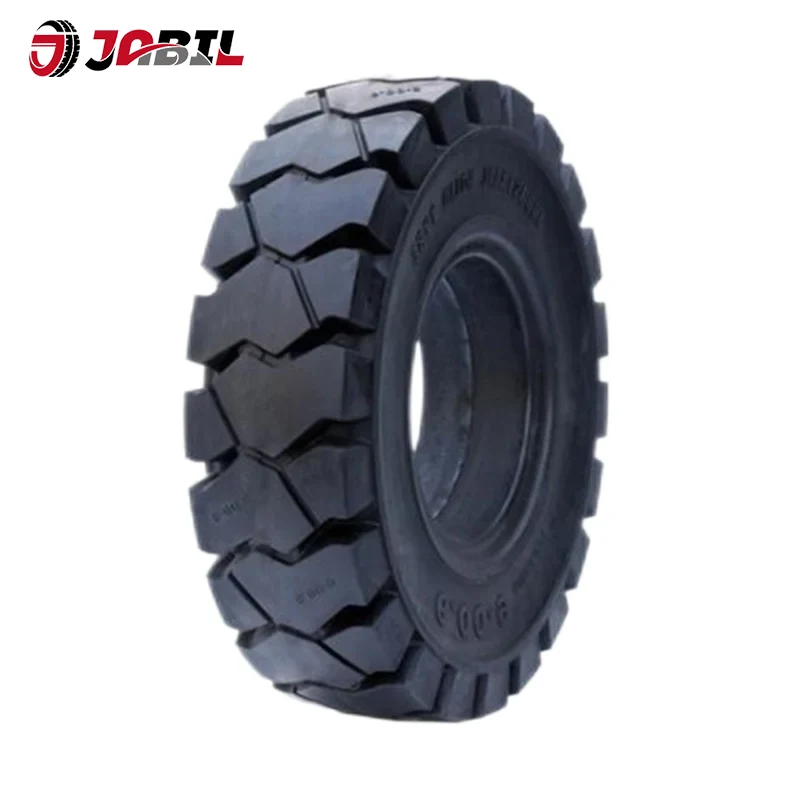
Tire Type: Deep-tread pneumatic rubber tires or solid press-on rubber tires with grooved traction patterns to ensure maximum grip on moisture-prone floors.

Inflation Pressure: If pneumatic tires are used, strictly maintain the pressure between 8.5 bar and 10.0 bar (always verify with the OEM vehicle placard; never under-inflate based on guesswork). No inflation is required for solid rubber tires.

Maintenance Protocol: Check the tread grooves for embedded gravel or metal debris at every shift handover. Measure the tread depth weekly; the variance between the two drive tires should not exceed 3mm.

Errors to Avoid: Avoid sharp, high-speed turns on wet ramps or smooth damp floors. Reach trucks have a high center of gravity; rubber tires can slip during sudden braking or acceleration on wet surfaces, risking load instability.

Scenario 2: Metal Fabrication & Machining Warehousing (Floors with Metal Shavings and Sharp Offcuts)

Tire Type: Puncture-proof, cut-resistant three-stage solid rubber tires (featuring a high-hardness base compound, a cushioned middle layer, and a heavy-duty wear resistant tread).

Inflation Pressure: N/A (Solid rubber tires).

Maintenance Protocol: Daily visual inspection for deep cuts or chunking. Ensure the operation lanes are regularly swept to prevent the tires from continuously running over sharp metal debris.

Errors to Avoid: Never use standard pneumatic rubber tires in this environment. A sudden puncture at high lifting heights can cause the reach truck to tip over, resulting in catastrophic accidents.

Scenario 3: Paper Packaging, Printing, or Food Warehousing (Strict No-Marking Floor Policies)

Tire Type: Non-marking solid rubber tires (free of carbon black to prevent black scuff marks on epoxy/polyurethane coatings).

Inflation Pressure: N/A (Solid rubber tires).

Maintenance Protocol: Wash the tire surfaces weekly to prevent accumulated dust from reducing friction. Regularly inspect the floor for oil or chemical spills that can degrade rubber compounds.

Errors to Avoid: Strictly prohibit frequent emergency braking and steering while stationary. Non-marking rubber replaces carbon black with silica, which slightly reduces tear resistance; steering at a dead stop will cause severe flat-spotting and reduce tire lifespan by over 30%.

3 Real-User Q&As

Q1: Why does my reach truck shake or sway severely when lifting loads at high heights after fitting new pneumatic rubber tires?

Direct Answer: This is typically caused by insufficient tire pressure or uneven inflation between the left and right tires. When a reach truck extends its mast forward at high lift heights, the vehicle's center of gravity shifts drastically to the front. If the pneumatic tires are under-inflated, the sidewalls flex excessively, creating a "soft-foot" effect that induces swaying. For high-level stacking (especially above 8 meters), ensure pneumatic tires are inflated to their maximum OEM specification (8.5–10 bar) and are perfectly identical on both sides, or upgrade to rigid solid rubber tires.

Q2: Our non-marking solid rubber tires are wearing out rapidly and chunking. Is this a tire quality defect?

Direct Answer: Not necessarily. Non-marking tires (white, grey, or green) lack carbon black, the primary reinforcing agent in traditional black rubber. While they protect your floors from marks, they possess lower tear resistance, lower abrasion resistance, and poorer heat dissipation than black rubber tires. If your reach truck frequently operates on rough concrete, runs on steep ramps, carries overloads, or runs continuously across multiple shifts, non-marking tires will degrade quickly. Consider optimizing travel routes or switching back to premium black solid tires in non-cleanroom zones.

Q3: Both solid rubber tires and polyurethane (PU) wheels are used in warehousing. How do I choose between them for a reach truck?

Direct Answer: Base your choice on floor conditions and application environment. If your warehouse has perfectly smooth, indoor epoxy floors and you require maximum battery efficiency and ultra-high lift capacities, choose polyurethane wheels (higher load rating, lower rolling resistance). However, if your truck needs to transition outdoors, run on uneven concrete, cross expansion joints/speed bumps, or operate on wet surfaces, you must choose rubber tires. Rubber provides superior shock absorption and wet grip, protecting sensitive onboard electronics from vibrations and preventing outdoor slippage.

References

Industry Research Biz: Pneumatic and Solid Tires For Industrial Truck (Forklift) Market Growth & Analysis Report

Research and Markets: Forklift Tires - Global Strategic Business Report (Material Handling Segments Analysis)

Continental AG (Specialty Tires Section): Solid and Pneumatic Forklift Tires Application and Maintenance Guide

Related News
Leave me a message
X
We use cookies to offer you a better browsing experience, analyze site traffic and personalize content. By using this site, you agree to our use of cookies.Privacy Policy
RejectAccept