Tire Knowledge Base

Underground Mining Safety: Why L-5S Series Tires are Crucial for Eliminating Costly LHD Downtime

2026-06-11 0 Leave me a message

Sharp, jagged rock fragments constantly threaten underground mining equipment, frequently tearing through standard treads and forcing unexpected operational halts. This technical brief provides a practical selection guide and cold-inflation management protocol for L-5S series smooth-tread tires, giving fleet managers clear, field-tested solutions to eliminate premature tread slicing, rock puncturing, and catastrophic sidewall blowouts.

Mandated Technical Safety Data

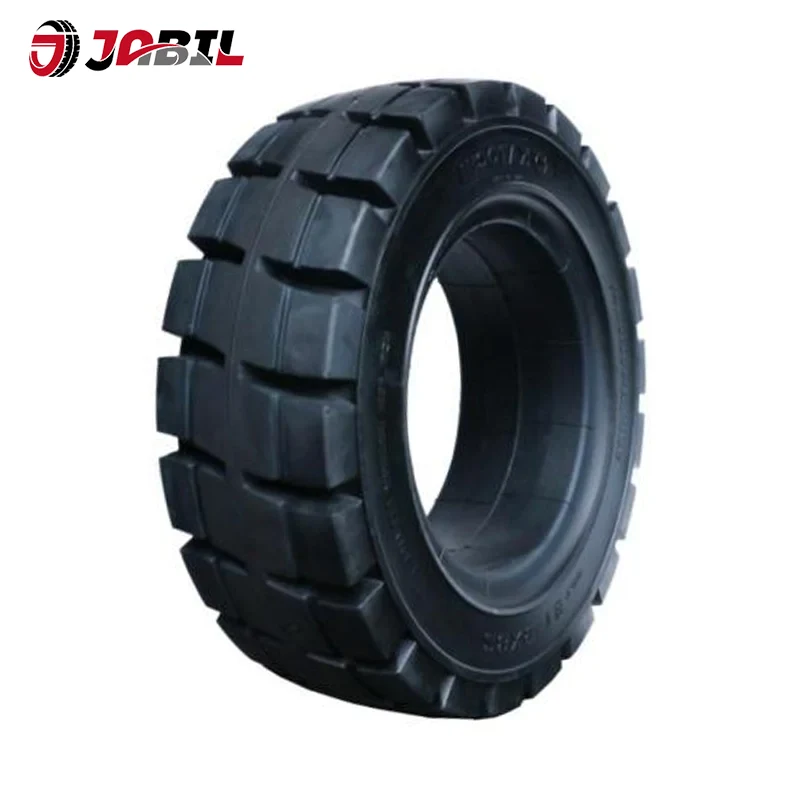
According to real-world field data published by the Mine Safety and Health Administration (MSHA), over 45% of unscheduled downtime for underground Load-Haul-Dump (LHD) loaders stems directly from severe tire tread cuts, punctures, or sudden sidewall ruptures caused by sharp shale and granite debris. To counter this harsh environment, L-5S heavy-duty smooth tires skip traditional tread patterns entirely. This flat profile increases total tread thickness by up to 250% compared to a standard E-3/L-3 baseline, creating a dense rubber shield that deflects over 90% of sharp vertical penetrations and extends the operational lifespan of underground tire assets by 1.5 to 2 times.

[Source: MSHA Mine Equipment Safety and Efficiency Database]

Scenario-Based Engineering Solutions

Maximizing tire survival rates in subsurface environments requires switching from standard deep-tread patterns to maximum-gauge L-5S smooth compounds, paired with strict daily maintenance habits.

Scenario 1: Hard-Rock Underground Mine Haulage Ways (High-Frequency, Short-Haul LHD Operations)

Tire Specification: Premium L-5S Class All-Steel Radial Smooth Tires (such as 14.00R24 or 17.5R25 L-5S) utilizing a dedicated cut-resistant compounding matrix and reinforced, ultra-thick sidewall bands.

Inflation Pressure: Keep cold inflation pressures locked between 6.5 - 7.5 bar (94.2 - 108.7 PSI) depending on the loader's gross vehicle weight rating (GVWR). This high pressure minimizes tire casing deflection under heavy payload shifts.

Maintenance Protocol: Enforce a strict "Pre-Shift Debris Check." Even though the L-5S lacks traditional tread grooves, operators must inspect the flat contact face daily for embedded quartz shards or metallic slag chips. Technicians should pry these out using specialized tire picks before they can migrate deeper into the internal belt package.

Critical Error to Avoid: Never operate L-5S tires under-inflated. Low inflation increases structural footprint flexing. When a smooth tire flexes extensively over a sharp stone, it concentrates tremendous localized strain, triggering internal casing ply separation.

Scenario 2: High-Moisture Underground Metal Mines & Tunnel Excavation Faces (Extreme Slip and Rock-Slit Risk)

Tire Specification: High-tonnage Ultra-Deep L-5S Solid Tires or pneumatic OTR tires equipped with heavy-duty rock protection chains to eliminate instantaneous blowouts caused by sharp, submerged rock spikes hidden beneath standing tunnel water.

Inflation Pressure: For pneumatic variants, lock cold inflation precisely to 100% - 105% of the OEM engineering specification, utilizing structural rigidity to deflect hidden sub-surface punctures.

Maintenance Protocol: Establish systematic roadway drainage and mechanical loose-rock clearance intervals in the heading zones. Regularly inspect the wheel rim flanges for signs of pitting or rust caused by acidic or highly mineralized mine drainage water.

Critical Error to Avoid: Do not allow loaders to spin their wheels or spin out when operating on flooded or muddy underground inclines. Water acts as a highly effective cutting lubricant for rubber; spinning an L-5S flat tread under heavy load on wet, jagged rocks will shear wide chunks right out of the compound.

FAQ

Q1: Since L-5S mining tires have a completely smooth tread, will they slip or lose traction on muddy or wet underground inclines?

Answer: While thick mud accumulation impacts traction in deep clay, L-5S smooth tires rely on the immense deadweight and high mechanical downforce of the LHD loader to maintain grip on typical hard-rock mining surfaces. The smooth profile delivers the industry's highest net-to-gross contact area, which actually maximizes frictional tractive force against solid, blasted rock faces compared to grooved tires.


Q2: If L-5S smooth tires have such a thick rubber tread, why are they strictly limited to low speeds (typically below 10 km/h)?

Answer: This restriction is dictated by extreme internal heat generation. The massive volume of solid rubber on an L-5S tire acts as a powerful thermal insulator, making it incredibly difficult for heat built up during kinetic flexing to dissipate. If an LHD loader operates at higher speeds or travels long hauling distances continuously (exceeding 4–5 km per cycle), the internal tire temperature will surpass 100°C, causing rubber thermal degradation, ply separation, and sudden casing explosions.


Q3: At what point are mine-duty L-5S smooth tires considered worn out, and can the casings be retreaded?

Answer: Operators must monitor the Wear Limit Indicators located on the tire sidewall. The tire must be pulled from service once the remaining tread depth hits roughly 15% of its original thickness, or if the face displays structural ply exposure or catastrophic chunking. If the internal casing remains intact and free of deep structural rock gashes, high-quality radial L-5S tire hulls are excellent candidates for precured retreading, significantly driving down the fleet’s Total Cost of Ownership (TCO).

References

1. MSHA (Mine Safety and Health Administration) - Equipment Failure and Hazard Alerts in Underground Mining Operations。

2. Caterpillar (CAT) Performance Handbook - Underground Mining & Material Handling Tire Selection Guidelines (Slot L-5S Specifications).

3. ISO 13444 - Technical specifications and safety controls for Earth-mover tires (Type L-5S Standard Equivalents). 
Related News
Leave me a message
X
We use cookies to offer you a better browsing experience, analyze site traffic and personalize content. By using this site, you agree to our use of cookies.Privacy Policy
RejectAccept