Tire Knowledge Base

Demand Trends for Solid Industrial Tires and Forklift Tires Amid African Logistics & Port Upgrading

2026-04-15 0 Leave me a message

This article analyzes the selection standards and maintenance strategies for heavy-duty solid industrial tires and forklift tires within the context of the modernization of major African ports (such as Durban, Mombasa, and Lagos).

1. Set of Traceable Authoritative Data

According to the World Bank's Container Port Performance Index (CPPI), African ports are improving turnover efficiency through digitalization and automation. As throughput increases, the operational intensity of material handling equipment has risen by approximately 30%. Furthermore, a report by Research and Markets indicates that the African industrial tire market is expected to maintain a CAGR of 5.8% between 2024 and 2028, with high-load solid tires rapidly replacing traditional pneumatic tires in harsh port environments due to their "zero-puncture" characteristics.

2. Scenario-Based Solutions

Scenario 1: High-Frequency Container Yard Handling (Heavy Forklifts/Reach Stackers)

African port grounds are often cluttered with scattered container locks and uneven surfaces.

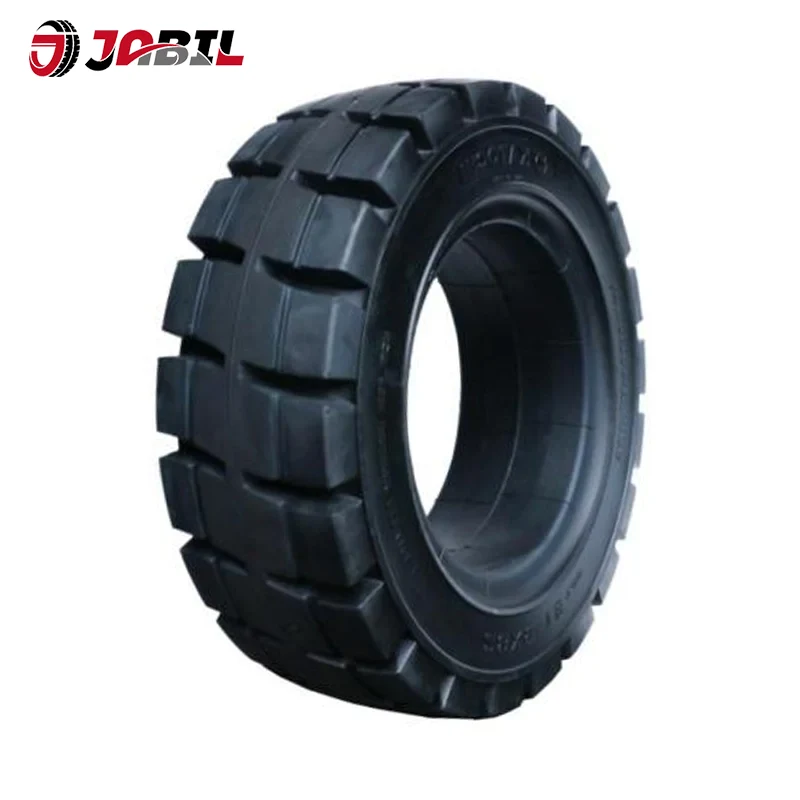
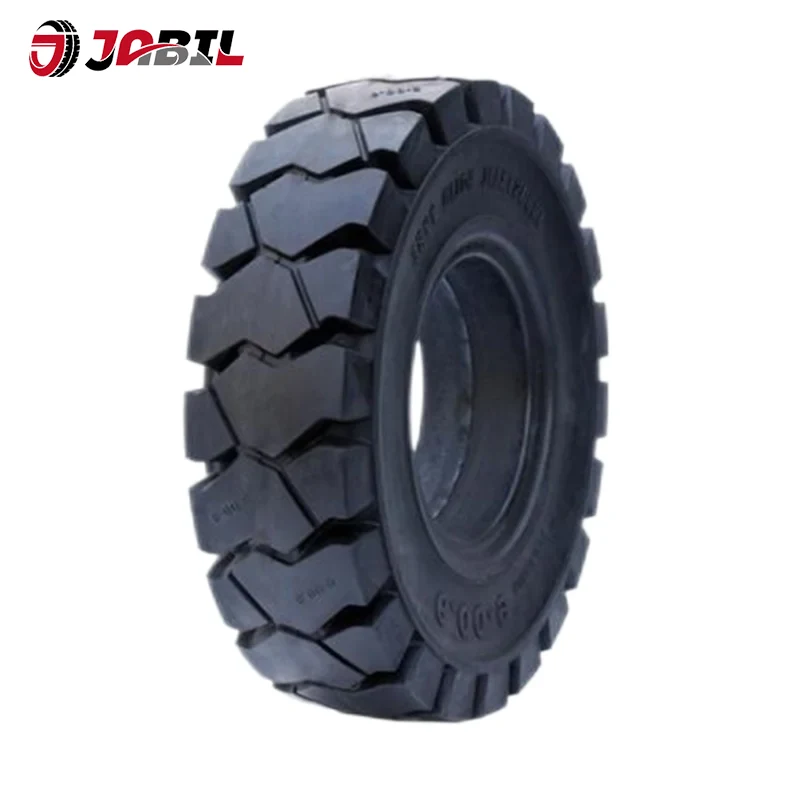
   Recommended Tire: Three-stage solid industrial tires. Featuring a high-hardness base, a central resilient cushioning layer, and a wear-resistant tread.

   Pressure Requirements: No inflation required (completely eliminates the risk of blowouts caused by sharp objects).

   Maintenance Advice: Inspect the wear indicator line (60-J line) weekly to ensure the tire has not worn past its limit.

   Mistakes to Avoid: Avoid prolonged overloading which causes heat build-up—heat is the primary enemy of solid tires.


Scenario 2: Indoor Warehousing and Multimodal Transit (Small/Medium Electric or IC Forklifts)

Primarily used in bonded warehouses and LCL (Less than Container Load) areas, emphasizing flexibility and floor protection.

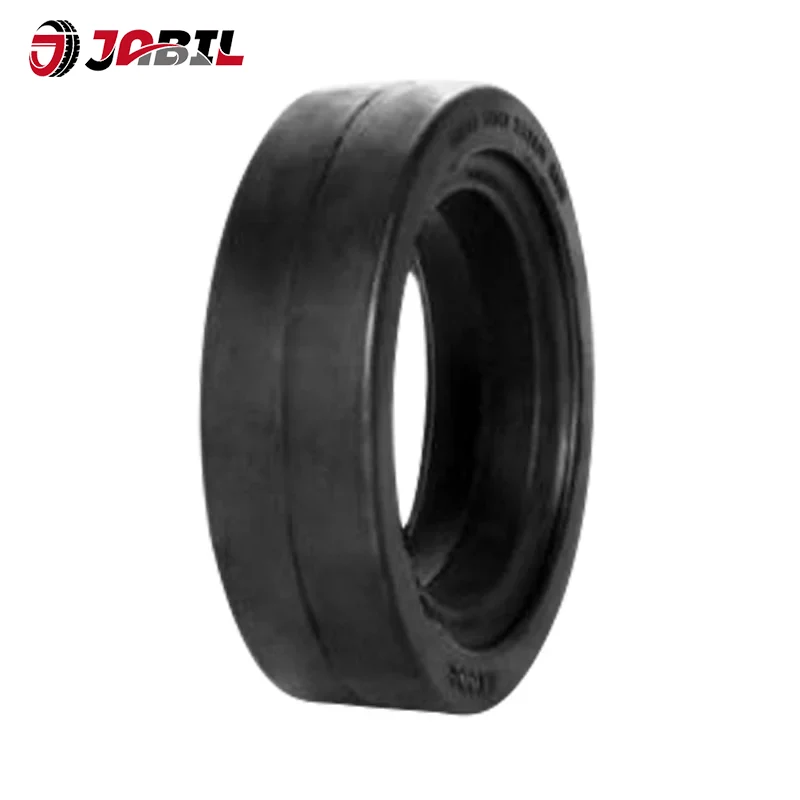
Recommended Tire: Non-marking solid tires to prevent black skid marks on epoxy or treated concrete floors.

Pressure Requirements: No inflation required.

Maintenance Advice: Regularly clear debris like stones or metal shavings from the tread pattern to prevent foreign objects from compromising the structure.

Mistakes to Avoid: Avoid driving on surfaces with significant chemical oil spills unless the tire is specifically rated for oil resistance.

3 Real User Q\&As

Q1: In the high-temperature environment of Africa, which is more cost-effective: solid or pneumatic tires?

A: In the long run, solid tires. While the initial purchase cost is 2–3 times higher, pneumatic tires are highly prone to blowouts and downtime in hot, debris-filled African ports. Solid tires typically last 3–5 times longer and require zero pressure maintenance, significantly reducing the operating cost per hour.


Q2: How do I know when it’s time to replace a solid forklift tire?

A: Check the sidewall. Most industrial tires feature a Safety Line (or 60-J Line). Once the wear reaches this line, the tire must be replaced even if it appears thick, as failure to do so damages the rims and increases the risk of tipping.


Q3: How do I solve the installation challenge for solid tires imported to Africa?

A: Solid tires must be installed using a specialized high-tonnage tire press machine. It is recommended to verify local availability of pressing services before purchasing, or include a portable mobile press machine as part of the equipment procurement.

4. References

1. World Bank Group: The Container Port Performance Index (CPPI) 2023.

2. Research and Markets: Africa Industrial Tire Market Forecast and Opportunities.

3. Trelleborg Wheel Systems: Industrial Tire User & Maintenance Guide. 

Related News
Leave me a message
X
We use cookies to offer you a better browsing experience, analyze site traffic and personalize content. By using this site, you agree to our use of cookies. Privacy Policy
Reject Accept