News

Why Do Solid Tires Cut Downtime for Industrial Equipment?

2026-02-26 0 Leave me a message

Article Abstract

Flat tires are expensive in ways that don’t show up on the invoice: delayed shipments, idle operators, missed production windows, and emergency maintenance that disrupts a whole shift. If your machines live around scrap metal, rebar, broken pallets, sharp stone, or debris-strewn yards, punctures and blowouts become “normal” — until one of them becomes a safety incident. This guide explains how Solid Tires solve the most common operational pain points (puncture downtime, unstable handling under heavy loads, and unpredictable tire life), where they’re a perfect fit, where they’re not, and how to specify the right construction so you don’t overpay or underperform. You’ll also get a practical selection checklist, a side-by-side comparison table, and an FAQ buyers can share internally before requesting quotations from suppliers such as Jabil Rubber Co., Ltd..


Table of Contents


Outline

  1. Define the operational problems that drive tire failures.
  2. Explain what makes solid tires different from air-filled tires.
  3. Match common solid tire constructions to real use cases.
  4. Walk through fitment details: size, rim, load, and environment.
  5. Discuss tradeoffs: heat, ride comfort, speed, and traction.
  6. Translate “price” into total cost of ownership.
  7. Provide a procurement checklist and FAQ for internal alignment.

The Pain Points Solid Tires Target

Buyers rarely start by saying “I want Solid Tires.” They start with a headache:

  • Unplanned downtime from punctures: A forklift or skid steer with a flat doesn’t just stop; it often blocks a lane, delays a load, and pulls a technician away from scheduled work.
  • Safety and stability under heavy loads: When a tire pressure issue changes a machine’s footprint, you can get sway, uneven braking, or unpredictable steering — especially on ramps or when turning with a raised load.
  • Short tire life in abrasive environments: Yard operations, scrap handling, mining, ports, concrete plants, recycling facilities, and construction sites chew through tires with sharp edges and aggressive surfaces.
  • Labor and scheduling friction: If you run multi-shift operations, scheduling tire repairs is hard; emergencies happen at the worst possible time.
  • Floor protection requirements: Indoors, the wrong compound can leave marks on epoxy, polished concrete, or cleanroom floors — creating compliance and housekeeping problems.

Solid tires exist because these problems are predictable. Instead of “hoping” an air-filled tire survives the day, you choose a tire that’s designed to keep rolling through debris without needing air pressure to do its job.


What Solid Tires Are and How They Differ

Solid Tires

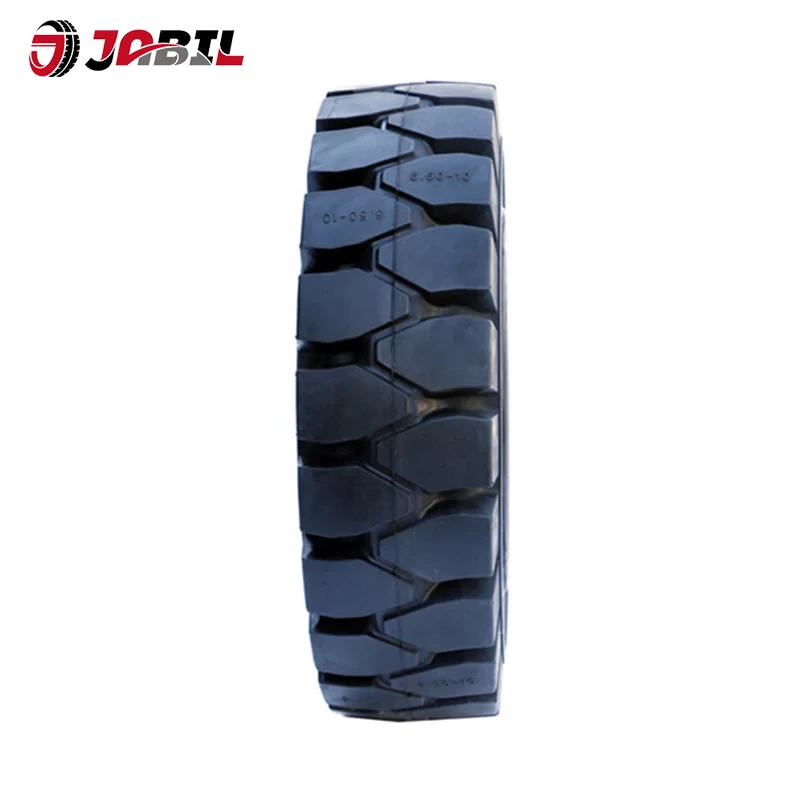
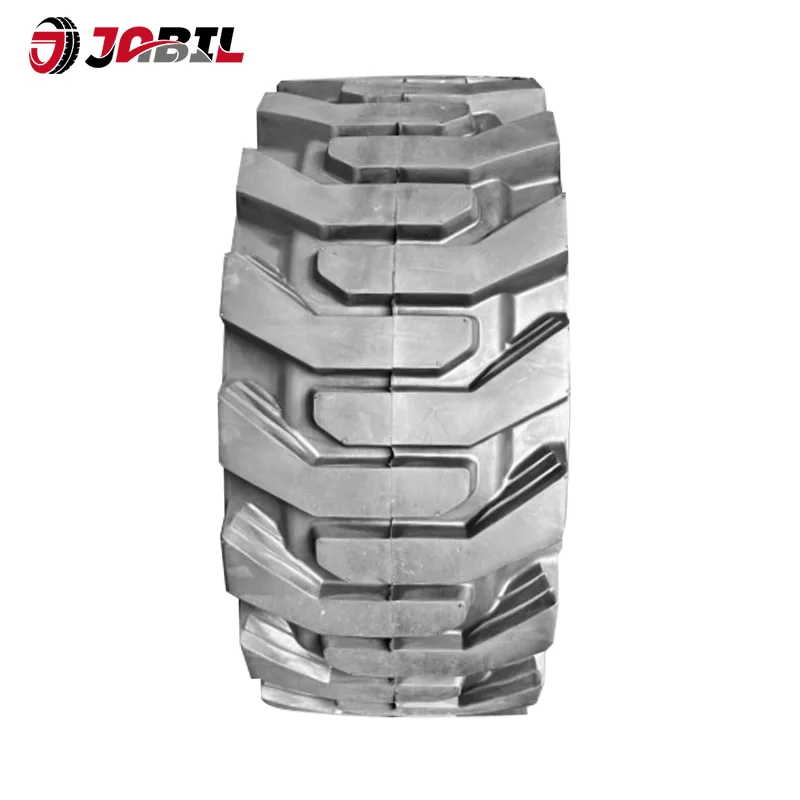
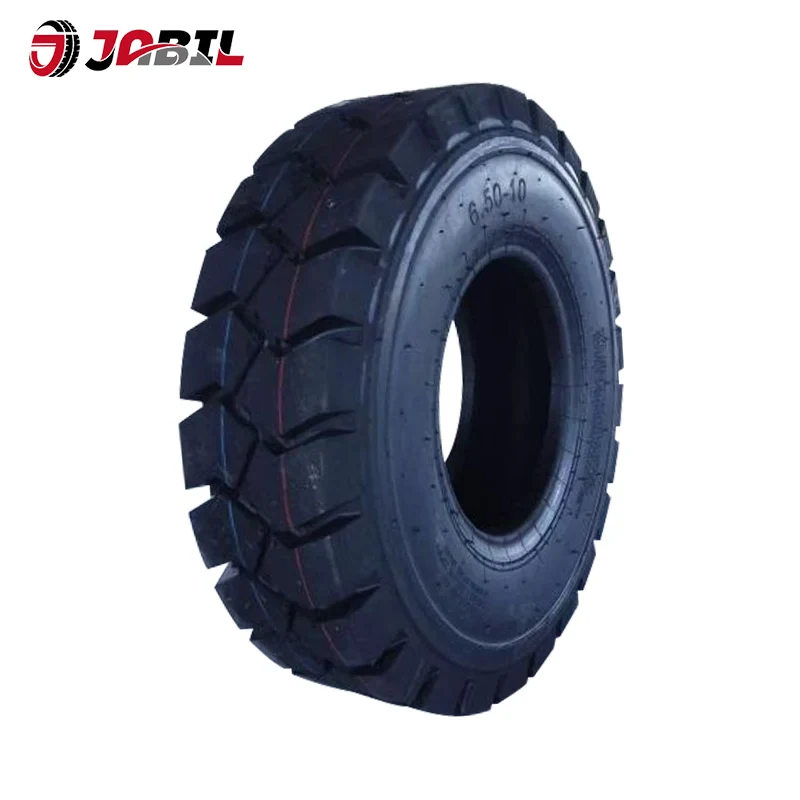
Solid Tires are non-pneumatic tires: they don’t rely on internal air pressure, so they can’t go flat from punctures. That sounds simple, but it changes everything about operations and maintenance.

Where the value comes from:

  • Puncture resistance: Nails, metal shards, thorns, and jagged stone won’t cause a sudden loss of mobility.
  • Consistent contact patch: Because the tire shape doesn’t change with pressure, stability and handling remain predictable over long shifts.
  • Lower routine maintenance: No daily pressure checks, fewer emergency callouts, and less time spent swapping tubes or patching.

What changes compared to air-filled tires:

  • Ride and vibration: With less “air cushion,” the tire’s compound and construction must manage shock absorption.
  • Heat management: Under heavy loads and continuous running, heat buildup becomes a design constraint.
  • Traction design: Tread patterns and rubber compounds matter even more because you can’t “tune” performance by adjusting pressure.

Common Solid Tire Constructions

Not all solid tires are the same. Choosing the right construction is how you avoid two costly outcomes: paying premium pricing for features you don’t need, or saving upfront and losing the benefits in weeks.

Construction Best For Buyer Benefits Watch-Outs
Resilient solid Warehouses, logistics yards, general industrial use Balanced durability and comfort; stable under load; low maintenance Choose tread and compound for floor type and debris level
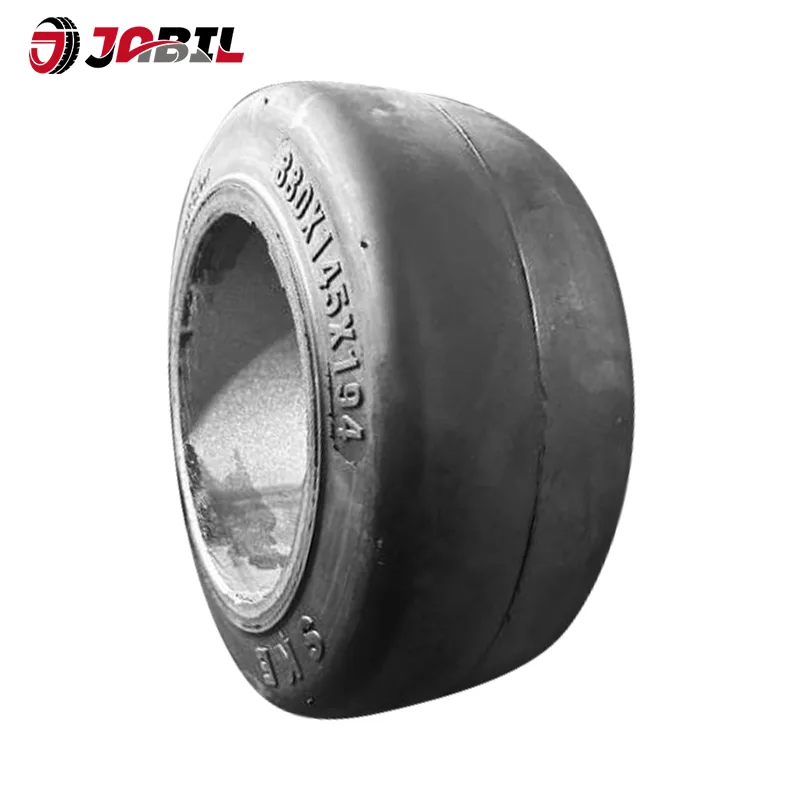
Press-on / band (mounted to rim) Forklifts where quick serviceability matters Fast replacement and consistent fit; fewer mounting variables Requires correct rim and proper press tooling
Non-marking solid Clean facilities: food, pharma, retail, hospitals, cleanrooms Reduces floor scuffing and dark marks; cleaner operations Confirm traction needs on smooth floors (especially when wet)
Shock-absorbing / engineered cushioning designs Operator comfort and equipment protection in rough surfaces Less vibration and fatigue; better component protection Ensure heat dissipation is adequate for long cycles
Polyurethane solid High load, low speed indoor handling Strong wear resistance; clean and efficient rolling indoors Not ideal for high-speed outdoor abuse; match to temperature range
Heavy-duty OTR solid Mines, steel mills, ports, recycling plants Extreme load capacity and puncture resistance Heat and rolling resistance must be planned for in duty cycle

Practical tip: Don’t choose by tire name alone. Ask your supplier which compound family and internal structure the tire uses, then map it to your duty cycle (load, speed, hours, and terrain). That’s how you buy performance instead of marketing.


Fitment and Specification

The fastest way to ruin a solid tire purchase is to guess fitment. Even if a tire “physically fits,” an incorrect specification can create heat buildup, uneven wear, steering issues, or mounting failures.

1) Start with your equipment data

  • Machine type: forklift, skid steer, trailer, ground support equipment, or heavy OTR vehicle.
  • Load profile: maximum load, typical load, and whether loads are carried at height or on ramps.
  • Duty cycle: hours per shift, number of shifts, average travel distance, and typical speed.
  • Surface: smooth epoxy, rough concrete, gravel, scrap yard, mixed terrain, or corrosive environments.

2) Confirm size the right way

  • Read the current tire marking: take photos of sidewall markings and rim stamps if available.
  • Measure if markings are unclear: outer diameter, section width, and rim seat dimensions.
  • Don’t mix “close enough” sizes: small changes affect load capacity, stability, and drivetrain stress.

3) Decide on mounting strategy

  • On-rim assemblies: ideal when you want standardized fitment and faster changeovers. Many buyers prefer receiving tires already mounted to compatible rims to reduce shop variability.
  • Press-on tires: useful for forklifts and indoor fleets that prioritize service speed — but only when pressing is done with proper tooling and alignment.

4) Specify the compound for your environment

  • Oil and chemical exposure: if you operate around oils, solvents, or corrosive materials, ask for a compound designed to resist swelling and degradation.
  • High heat exposure: continuous running under heavy load needs a compound and structure that manage heat, not just tread durability.
  • Indoor cleanliness: non-marking compounds can reduce floor maintenance and protect polished surfaces.

Performance Tradeoffs You Should Plan For

The smartest solid tire buyers don’t pretend solid tires are “better at everything.” They pick solid tires because they solve specific pain points, then they design around the tradeoffs.

  • Ride comfort: Solid tires can transmit more vibration. If operator comfort or sensitive cargo matters, prioritize cushioning designs, optimized tread, and correct durometer selection.
  • Heat buildup: Heat is the silent tire killer. If your equipment runs long distances, at higher speeds, or under continuous heavy loads, your supplier should evaluate heat dissipation features and recommend a tire rated for that duty cycle.
  • Rolling resistance: Some solid tires increase energy consumption compared with perfectly maintained pneumatic tires. In real life, many fleets still save money because they eliminate flats and the maintenance overhead that comes with them.
  • Traction on wet or smooth floors: Choose tread and compound for your conditions. “Non-marking” and “high traction” can coexist, but you need the right formulation.
  • Weight: Solid tires can be heavier; confirm compatibility with your machine’s drivetrain and lifting performance.

Decision rule: If downtime from punctures is your dominant cost, Solid Tires usually win. If your work is light, fast, and on clean pavement with strong tire maintenance discipline, pneumatic tires may remain competitive.


Total Cost of Ownership

Upfront price is a weak decision tool for industrial tires because it ignores the expensive part: interruptions. A practical way to compare options is to translate everything into cost per operating hour.

Include these cost drivers:

  • Planned maintenance time: inspections, pressure checks, and routine service.
  • Unplanned events: flats, blowouts, emergency technician labor, and equipment towing.
  • Operational delay: lost throughput, missed dispatch windows, and downstream overtime.
  • Safety exposure: stability issues, damaged goods, and incident risk during tire failures.

A simple model you can use:

  • Estimate average tire life in hours for your environment.
  • Add tire purchase cost + mounting/service cost.
  • Add estimated downtime cost per tire event × number of events expected.
  • Divide by operating hours.

Even conservative math often shows why fleets switch: one avoided emergency can pay for the difference between pneumatic and solid setups.


Buyer’s Checklist Before You Place an Order

  • Machine list: model, axle configuration, and tire positions.
  • Current tire data: photos of sidewalls and rims; any recurring wear patterns.
  • Environment notes: debris type (metal, glass, stone), temperature extremes, chemical exposure, and floor material.
  • Duty cycle: hours/day, average speed, load intensity, and peak season usage.
  • Performance priority: puncture-proofing, operator comfort, traction, non-marking, or maximum service life.
  • Service plan: do you want tires delivered mounted on rims, or will your shop handle press fitting?
  • Acceptance criteria: what counts as “success” after installation (reduced flats, fewer stoppages, target life hours, lower floor marks, etc.).

If you share this checklist with your supplier, you’ll get a recommendation that is tailored to your operation rather than a generic catalog pick. Many manufacturers — including Jabil Rubber Co., Ltd. — can also advise on matching rim fitment and assembly options to reduce installation errors.


Common Purchasing Mistakes

Solid Tires

  • Buying only by size: compound and structure matter as much as dimensions.
  • Ignoring heat: long runs under heavy load need tire designs that dissipate heat effectively.
  • Overlooking indoor floor needs: non-marking and traction requirements should be clarified in advance.
  • Underestimating installation: press-on tires require correct tooling and procedures to avoid runout and premature wear.
  • Skipping a pilot test: when switching tire type, trial a subset of equipment first and compare operating hours, maintenance tickets, and operator feedback.

FAQ

Are solid tires always puncture-proof?
They don’t rely on air pressure, so typical punctures won’t stop the machine the way they would with pneumatic tires. The tire can still be damaged by extreme abuse, but the “flat tire” failure mode is largely removed.

Will solid tires make my equipment feel rough to drive?
They can, especially if you choose a very hard compound for a rough surface. If comfort matters, prioritize cushioning-oriented constructions and confirm the right hardness and tread pattern for your terrain.

Can I use solid tires outdoors in mixed terrain?
Yes, as long as the tread and compound match the surface and debris. Outdoor yards often benefit the most, but heat buildup and traction requirements should be evaluated with your duty cycle.

What’s the difference between non-marking and standard solid tires?
Non-marking options are formulated to reduce dark scuffing and residue on floors. They’re popular in clean facilities and showrooms, but you should confirm traction on smooth or wet surfaces.

Do I need to replace rims when switching to solid tires?
Not always. It depends on your current rim specification and the tire construction you choose. Many buyers prefer receiving tire-and-rim assemblies to simplify installation and reduce fitment risk.

How do I know if heat will be an issue?
Heat risk increases with higher speed, longer continuous runs, heavy loads, and high ambient temperature. Share these details with your supplier so they can recommend a structure designed for your duty cycle.


Next Steps

If your current tire program is dominated by flats, emergency repairs, or unstable handling under heavy loads, it’s time to evaluate Solid Tires with a specification-first approach. Collect the equipment list and environment notes above, then request a targeted recommendation and quotation from a manufacturer you trust.

Ready to reduce downtime? Reach out to Jabil Rubber Co., Ltd. today and contact us with your machine model, tire size, and working conditions—our team can suggest a suitable construction, compound, and mounting option to fit your operation.

Related News
Leave me a message
X
We use cookies to offer you a better browsing experience, analyze site traffic and personalize content. By using this site, you agree to our use of cookies. Privacy Policy
Reject Accept