News

Provisions for the transportation and storage of solid tires

2026-01-26 0 Leave me a message

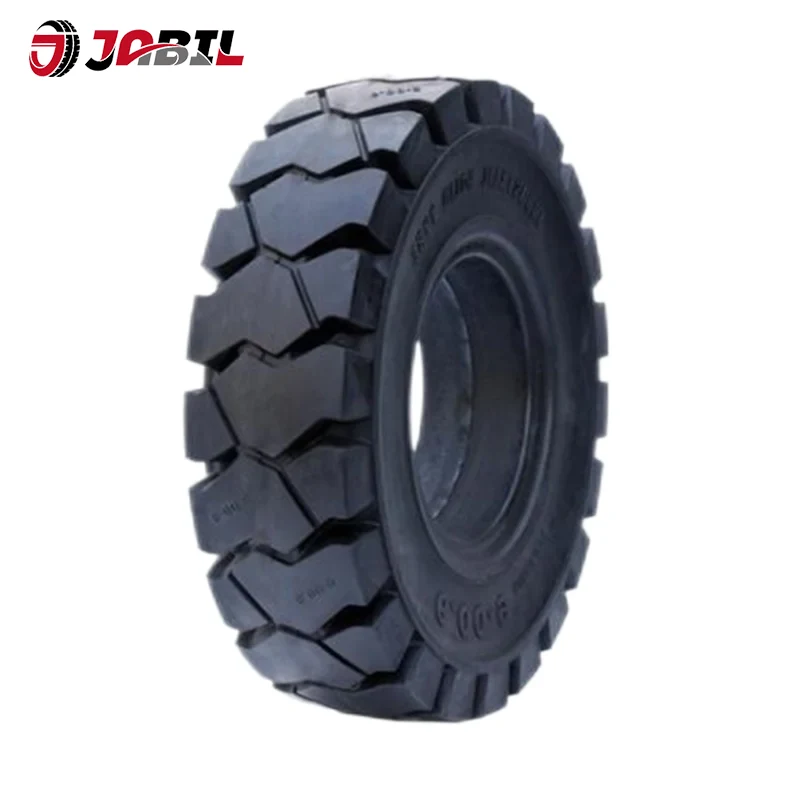
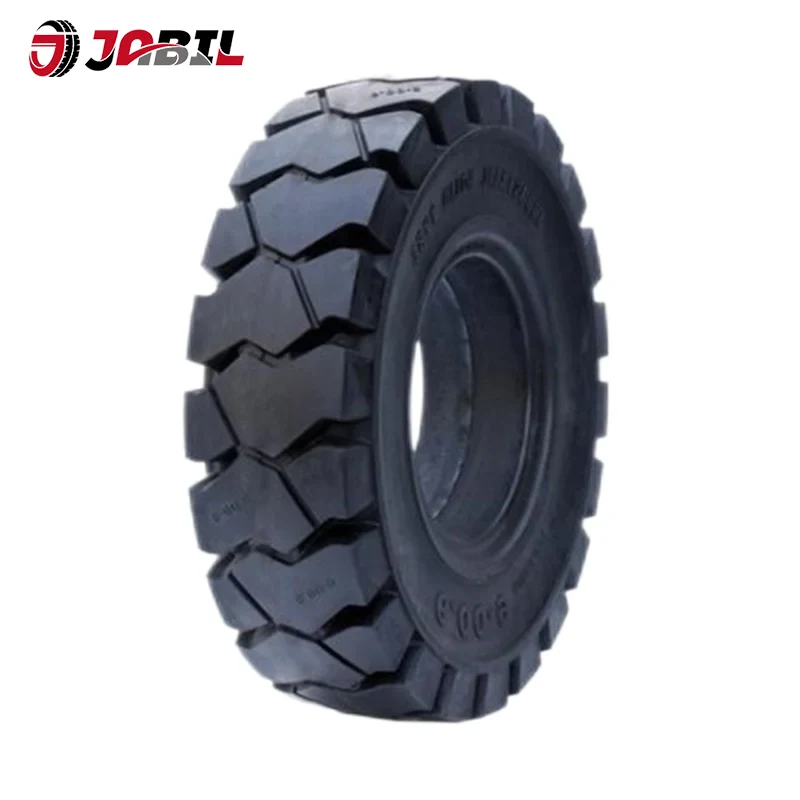
Solid tiresSolid tires, due to their characteristics of being puncture-resistant, non-inflatable, and having a long lifespan, are widely used in forklifts, industrial handling vehicles, stackers, and special operation vehicles. Although solid tires are less affected by external environmental factors compared to inflatable tires, they still require strict management during transportation and storage to ensure tire performance, extend their lifespan, and ensure safe usage.

This article will provide detailed explanations from six aspects: tire characteristics, transportation requirements, storage environment, stacking methods, operation norms, and safety precautions.

Characteristics of Solid Tires

Understanding the basic characteristics of solid tires is helpful for taking the correct measures during transportation and storage. The main characteristics include:

Material Characteristics

Solid tires are usually made of natural rubber, synthetic rubber or polyurethane (PU) materials.

Its rubber has a high density, and it is highly resistant to wear, pressure and puncture.

Structural Characteristics

There are no internal air chambers, so it is less likely to experience a tire blowout or air leakage.

The weight is heavy, making it inconvenient to handle. It requires the use of machinery or the cooperation of multiple people for transportation.

Performance Characteristics

It can withstand high and low temperatures, but when exposed to sunlight, chemicals, or strong acids and alkalis for a long time, the rubber may age or crack.

It is sensitive to the storage environment. Excessive high or low temperatures, as well as excessive humidity, will all affect the elasticity and adhesion of the rubber.

After understanding these characteristics, we can establish scientific norms for transportation and storage.

Transportation requirements for solid tires

When transporting solid tires, factors such as weight, safety, protection and handling tools need to be taken into consideration.

1. Packaging Requirements

Packaging for individual tires: Small-sized tires can be packed with plastic film, bubble wrap or cardboard boxes to prevent friction and scratches.

Multi-tire packaging: For large solid tires, it is recommended to use wooden boxes, pallets or steel straps for bundling to prevent rolling or tipping during transportation.

Clear identification: Mark the tire model, specification, quantity and weight on the packaging to facilitate handling and storage management.

2. Loading and unloading and handling tools

Mechanical handling: Due to the heavy weight of solid tires, they are handled using forklifts, lifting equipment, or roller platforms.

Manual handling: Small-sized tires can be handled by multiple people, but it is necessary to wear protective gloves to prevent being scratched by the rubber edges.

Rolling prevention measures: During transportation, anti-rolling pads or fixation devices must be used to prevent the tires from rolling inside the vehicle.

3. Transportation environment

Avoid high temperatures: If transporting for a long time in a high-temperature environment, the rubber may become soft and deformed.

Avoid moisture and rain exposure: Water can cause the tire surface to get damp, which will affect the adhesion between the rubber and the wheel rim.

Avoid chemical corrosion: Keep away from acids, alkalis, oily chemicals and strong oxidants.


Related News
Leave me a message
X
We use cookies to offer you a better browsing experience, analyze site traffic and personalize content. By using this site, you agree to our use of cookies. Privacy Policy
Reject Accept