Tire Knowledge Base

Manufacturing Transformation Drives Surge in Mexico's Industrial Solid Tire Market

2026-05-13 0 Leave me a message

1 Traceable Authoritative Data


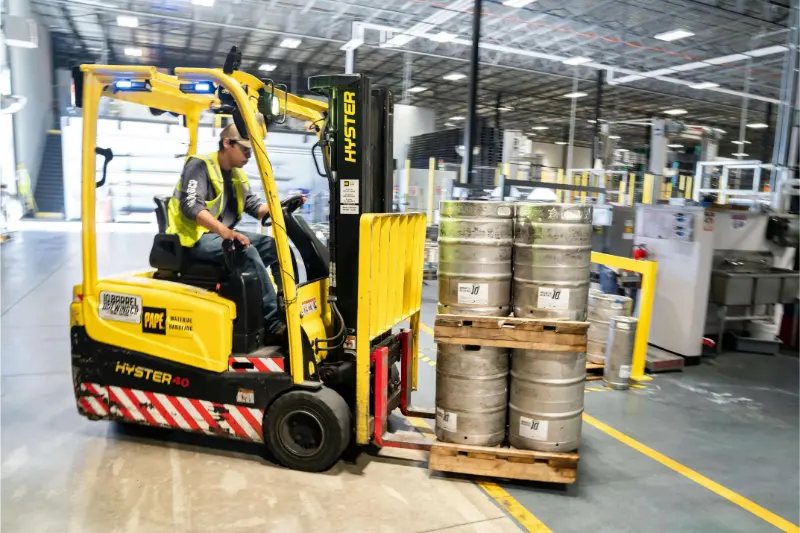
According to market analysis by Grand View Research, as a global hub for automotive and electronics manufacturing, Mexico has seen a surge in demand for Material Handling Equipment (MHE). Data indicates that in high-frequency industrial environments, switching to solid tires can increase the service life of related equipment by 3 to 4 times and completely eliminate unplanned downtime caused by punctures in pneumatic tires. As a result, the Mexican industrial solid tire market is expected to maintain a Compound Annual Growth Rate (CAGR) of over 4.5% during 2024–2030.

2 Scenario-Based Solutions

Scenario 1: Auto Parts Assembly Workshop (Automated Warehousing / Smooth Floors)

As the Mexican automotive industry transitions to electrification, workshops have extremely high requirements for forklift stability and floor protection.


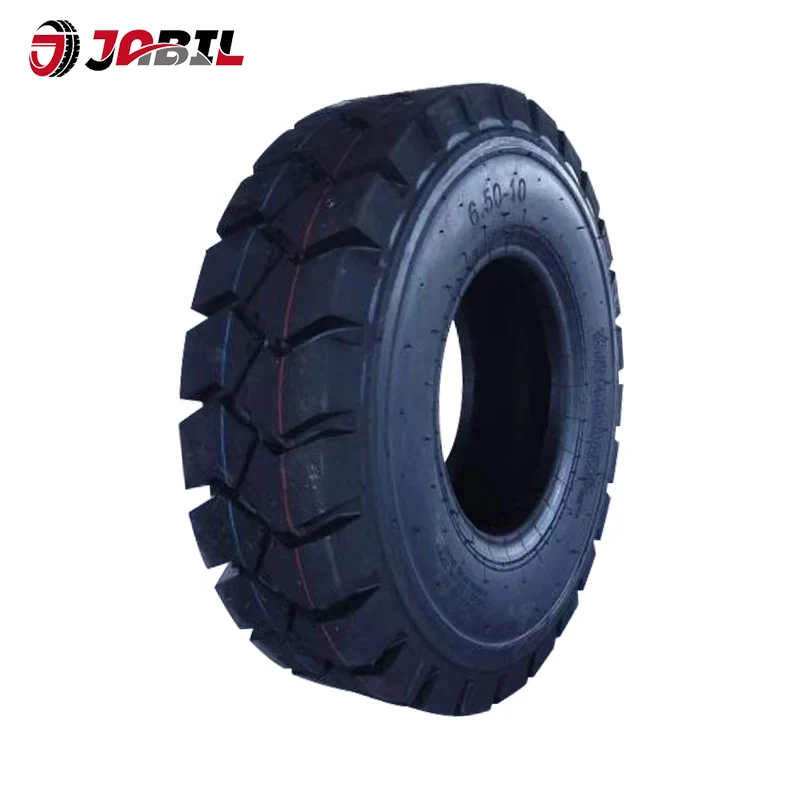
Tire Selection: Non-marking Solid Tires. These use light-colored rubber compounds and do not contain carbon black.


Maintenance: Regularly inspect the tread for embedded metal shavings from the workshop; keep floors dry to prevent oil from corroding the rubber and causing slippage.


Avoid This Error: Strictly avoid using these in outdoor yards with uneven surfaces, as the tear resistance of non-marking tires is slightly lower than that of standard black tires.


Scenario 2: Metal Processing & Foundries (High Temperature, Sharp Debris)

In the heavy industrial bases of Northern Mexico, floors are often covered in welding slag and scrap metal fragments, which can instantly destroy pneumatic tires.


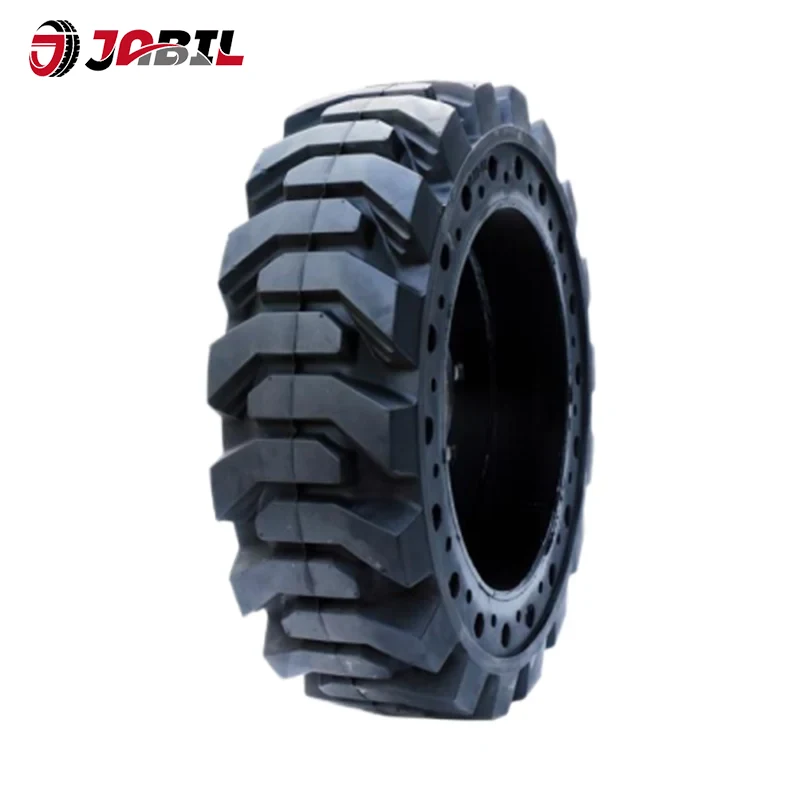
Tire Selection: Three-Stage Resilient Tires. These feature an enhanced heat-dissipation middle layer.


Maintenance: Check the Wear Limit Indicator. Tires must be replaced once they wear past the safety line to prevent shock absorption failure, which can damage the equipment’s axle.


Avoid This Error: Avoid continuous full-load operation for excessive periods. Although they are solid, internal heat buildup remains the primary enemy; follow the "4 hours of operation, 30 minutes of rest" principle.


3 Real User Q&A

Q1: Mexico experiences extreme summer temperatures. Will solid tires burst due to thermal expansion like pneumatic tires?

Direct Answer: No. Solid tires have no inner tube or high-pressure gas, so there is no risk of a blowout. However, high temperatures accelerate rubber aging, so it is recommended to choose high-quality three-stage solid tires with a dedicated "heat-dissipation layer."


Q2: Since no air pressure is required, are solid tires "set and forget" after installation?

Direct Answer: No. While inflation is eliminated, you must check the tightness between the tire and the rim (ensuring no slippage in press-on fitment) and monitor the tread for chipping. If chipping exceeds 1/4 of the tread surface, it will cause severe vibration.


Q3: Why does my forklift's battery drain faster after switching to solid tires?

Direct Answer: Solid tires are generally heavier than pneumatic tires and have slightly higher rolling resistance. If the impact on battery life is significant, it is usually due to a tire compound with poor resilience. It is recommended to select solid tires with a Low Rolling Resistance formula.

References

Grand View Research: Industrial Tires Market Size & Share Report


Tire Industry Association (TIA): Maintenance and Safety for Industrial Solid Tires


Bridgestone Industrial: Forklift Tire Application Guide & Maintenance Tips


Related News
Leave me a message
X
We use cookies to offer you a better browsing experience, analyze site traffic and personalize content. By using this site, you agree to our use of cookies. Privacy Policy
Reject Accept