Tire Knowledge Base

2026 Guide to Natural Rubber Price Volatility and Tire Cost Savings

2026-05-07 0 Leave me a message

This article aims to provide industrial procurement managers, fleet operators, and field operations personnel with actionable risk-hedging strategies and application-specific tire solutions to navigate the anticipated volatility in natural rubber prices in 2026, thereby effectively mitigating the impact of raw material inflation on profit margins.

1. 2026 Natural Rubber Market Data [Source: ANRPC Official Monthly Natural Rubber Statistics Report (December 2025)]


According to the 2026 report released by the Association of Natural Rubber Producing Countries (ANRPC), the global natural rubber market has entered a cycle of structural supply-demand imbalance.

1) Aging Rubber Trees: Over 40% of rubber plantations consist of trees older than 30 years, severely constraining growth in production yields.

2) Labor Shortages: A persistent, long-term shortage of skilled rubber tappers continues to limit natural rubber output.

2026 Production Growth: A year-on-year increase of 0.5% (marking the slowest growth rate in the past five years).

2026 Demand Growth: A year-on-year increase of 1.3%, driven primarily by strong demand from the electric vehicle (EV) and heavy-duty transport sectors.

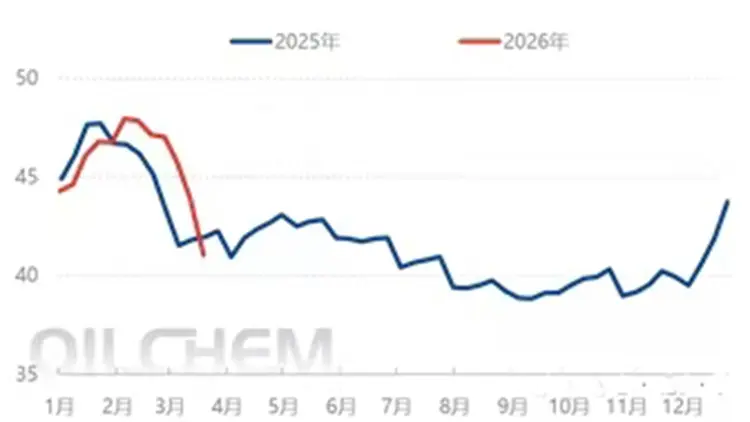
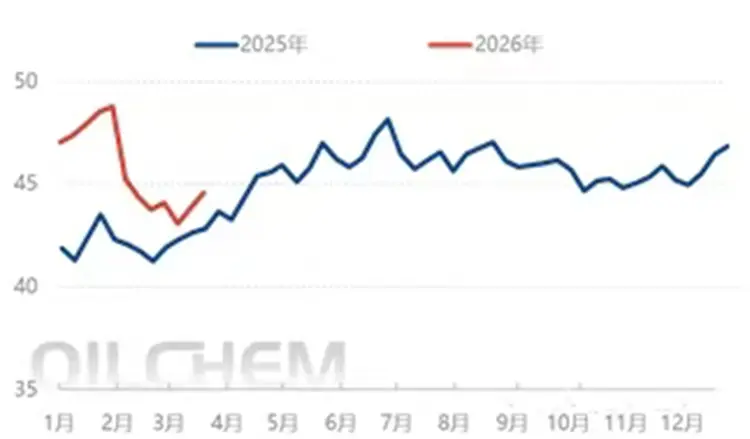
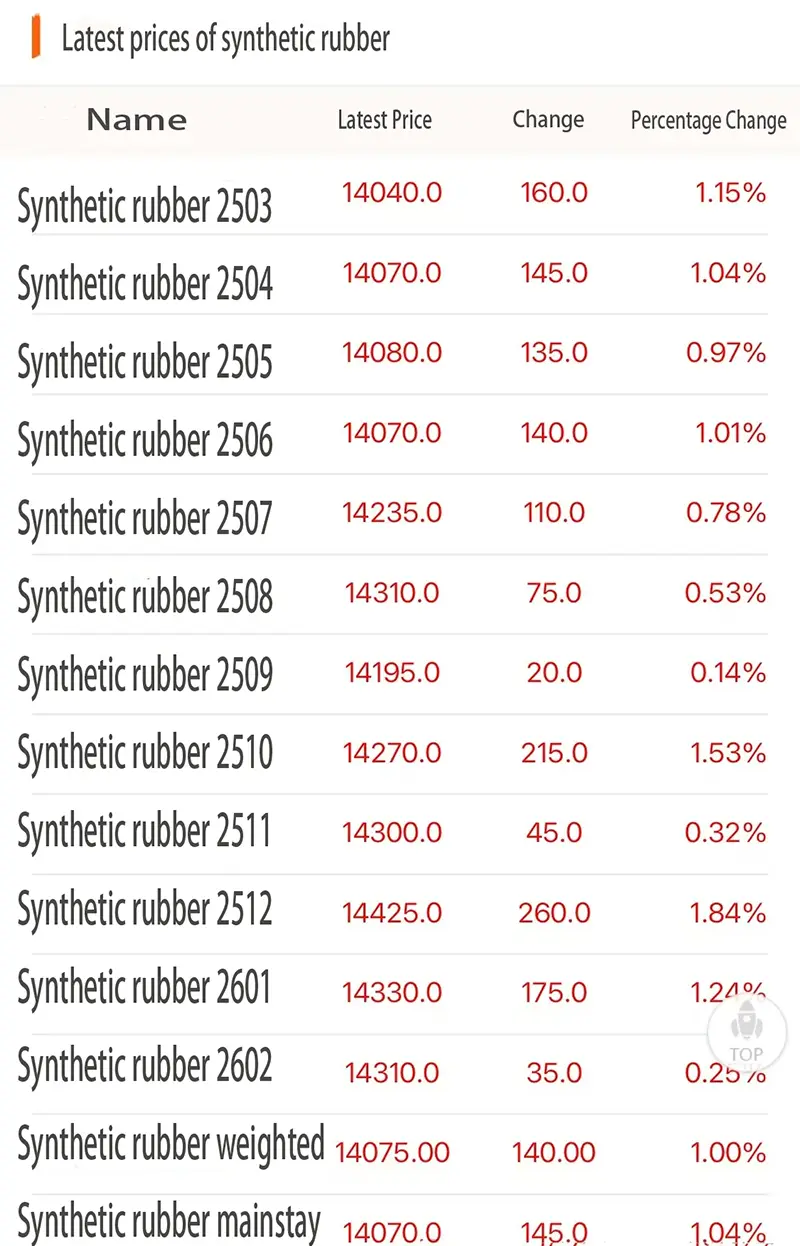
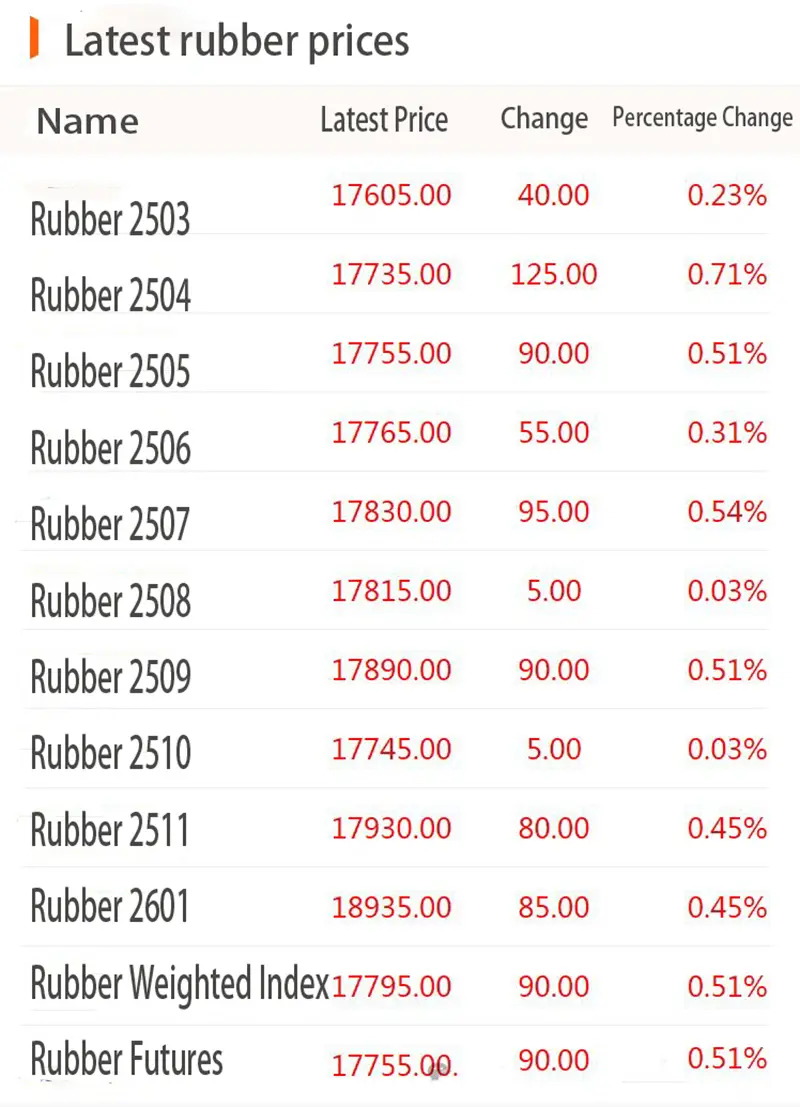
2026 Price Range: RMB 14,000–18,000 per ton (approx. USD 1,950–2,500 per ton) (with price volatility trending upward).

2. Application-Specific Tire Solutions—Effectively Countering Cost Pressures


Scenario 1: Large-Scale Mines and Quarries (Characterized by severe tire wear; Primary Requirement: Off-the-Road/OTR Tires)

Tire Selection: Utilize all-steel Off-the-Road (OTR) tires featuring high-polymer butadiene rubber (BR) compound. This formulation serves as a partial substitute for natural rubber while significantly enhancing cut resistance and improving overall tire wear durability.

Cold Inflation Pressure: 8.0–9.0 bar (must be adjusted based on actual load weight; operation under low-pressure conditions is strictly prohibited).

Maintenance & Care: Implement a "One Tire, One Record" system for detailed, precision-tracked management; halt operations every 200 hours to inspect tread temperatures and check for any embedded foreign objects. Key Prohibition: Strictly avoid operating under overload conditions (overloading by 20% will reduce tire service life by 30% and increase operating costs per kilometer by 50%).


Scenario 2: Ports and Logistics Hubs (Frequent start-stop cycles, heavy-load operations)

Tire Selection: Energy-efficient, all-steel radial tires certified for Low Rolling Resistance (LRR). — Inflation Pressure: 105% of the rated pressure (slightly over-inflating helps reduce heat generation and fuel consumption).

Maintenance: Perform tire rotation every 8,000–10,000 kilometers.

Key Prohibition: Avoid sudden braking and high-speed cornering (such maneuvers cause uneven wear, shorten tire lifespan, and lead to premature retirement).


Top 3 Frequently Asked Questions (FAQs) for Global Industrial Buyers

Q1: Should I stockpile tires in large quantities right now?

A: Not recommended—blindly stockpiling in bulk should be avoided. The price trend for Natural Rubber (NR) in 2026 is characterized by a "rising floor and capped ceiling" (i.e., exhibiting cyclical fluctuations). The following strategies are recommended:

Enter into forward hedging agreements with suppliers, or utilize procurement contracts based on quarterly price indices.

Maintain a strategic inventory level of 60–90 days (aimed at balancing supply security with cash flow requirements).


Q2: Will substituting synthetic rubber for natural rubber affect tire performance?

A: It depends on the specific application scenario:

Passenger Car Tires (Semi-steel radials): Typically contain a higher proportion of synthetic rubber; their performance remains stable and meets industry standards.

Heavy-Duty Truck / Off-the-Road (OTR) Tires: Natural rubber's superior tear resistance currently has no viable substitute. It is recommended to optimize the rubber compound formulation by incorporating high-performance additives to enhance mixing efficiency and overall cost-effectiveness.


Q3: Why does the retail price of tires rise by only about 3% when the cost of natural rubber spikes by 10%? 

A: Cost Pass-Through Attenuation: Tire manufacturers will absorb a portion of rising cost pressures through the following channels:

Enhancing production automation levels

Optimizing logistics and distribution systems; reducing marketing expenses

Key Focus for Buyers

Priority should be given to evaluating "Total Cost of Ownership" (TCO) rather than focusing solely on the unit purchase price. Tire retreading technology maximizes the residual value of the tire casing and represents the most effective cost-saving strategy for 2026.


Key Takeaways and Recommended Actions

Driven by structural supply-demand deficits, natural rubber prices are projected to remain within a high range (approximately RMB 14,000–18,000 per ton) throughout 2026.

It is recommended to employ a comprehensive strategy—combining the selection of specialized tires, precision maintenance, and forward hedging—to effectively control costs.

Focus on Total Cost of Ownership (TCO); extend tire service life through retreading to reduce long-term operational costs.

Related News
Leave me a message
X
We use cookies to offer you a better browsing experience, analyze site traffic and personalize content. By using this site, you agree to our use of cookies. Privacy Policy
Reject Accept