Tire Knowledge Base

Low Rolling Resistance (LRR) Tires: The "Invisible Code" to Extend Electric Forklift Range

2026-03-23 0 Leave me a message

In scenarios such as logistics warehousing and manufacturing that rely on electric forklifts, the single-charge range directly determines operational efficiency, operating costs, and production continuity. Most enterprises focus on battery capacity upgrades and motor efficiency optimization, but overlook a key detail — tire rolling resistance. This easily neglected factor has become a core bottleneck restricting the range of electric forklifts. Today, we will use authoritative data, scenario-based solutions, and real user Q&A to analyze how Low Rolling Resistance (LRR) tires can extend the range of electric forklifts by reducing physical losses.

Authoritative Data Confirmation: Rolling Resistance Losses Are Not Negligible

The energy loss of electric forklifts is not concentrated in the motor or battery itself. The resistance generated during tire rolling has long been an important component of energy consumption. According to laboratory test data released in the Pit Stop Line Technical Report by Trelleborg Wheel Systems, rolling resistance accounts for 16% to 25% of the total energy consumption of electric forklifts, a proportion far exceeding the expectations of many enterprises.

Notably, by adopting high-performance low rolling resistance composite materials, the rolling resistance of tires can be reduced by up to 10%, thereby increasing the overall energy efficiency of the forklift by approximately 3% to 5%. Although this improvement seems slight, in high-intensity operation scenarios, it can be converted into a significant range extension, directly avoiding operational interruptions caused by mid-charge.

Scenario-Based Solutions: Precise Adaptation to Different Working Conditions

Electric forklifts operate in significantly different scenarios, and long-distance transportation, frequent start-stop and steering, and other different working conditions have varying requirements for the selection, use, and maintenance of low rolling resistance tires. We have sorted out actionable solutions for two core scenarios to help enterprises maximize the energy-saving advantages of LRR tires.

Scenario 1: Cold Chain Logistics and High-Intensity Warehousing (Long-Distance Horizontal Transportation)

In large-scale distribution centers and cold chain warehouses, electric forklifts are required to undertake frequent long-distance horizontal transportation tasks, with a high proportion of driving energy consumption. In some scenarios (such as cold chain and pharmaceutical warehousing), ground cleanliness also needs to be considered. Combined with the low rolling resistance technology experience of enterprises such as Cheng Shin Tire, the adaptation plan is as follows:

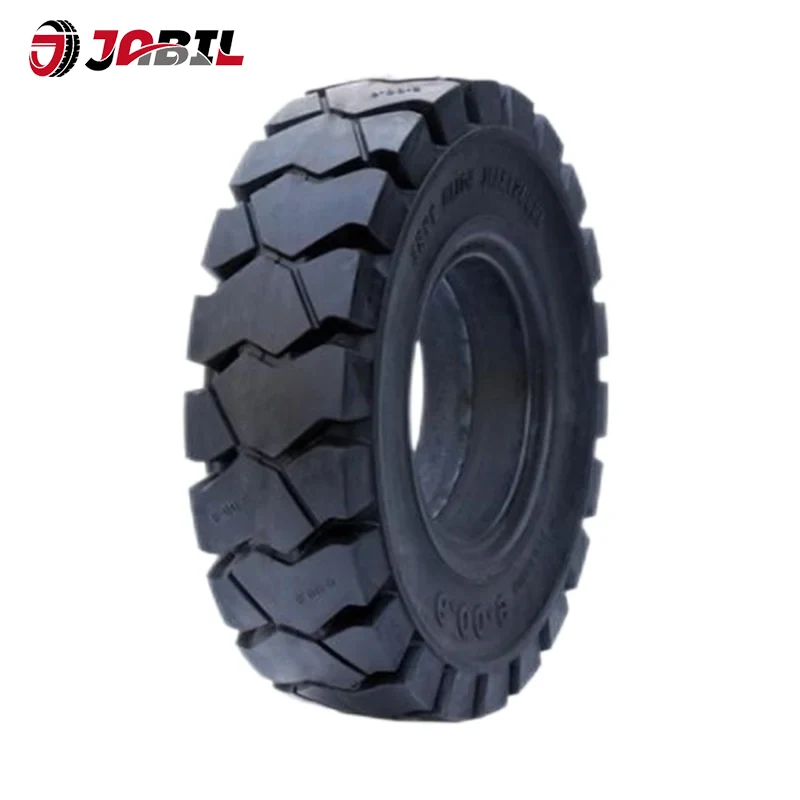
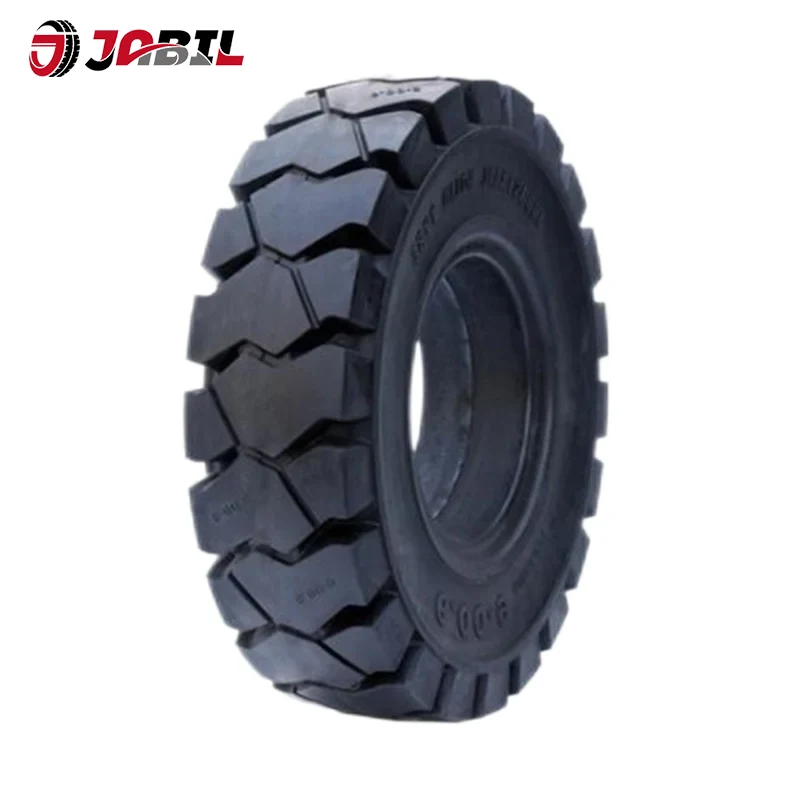
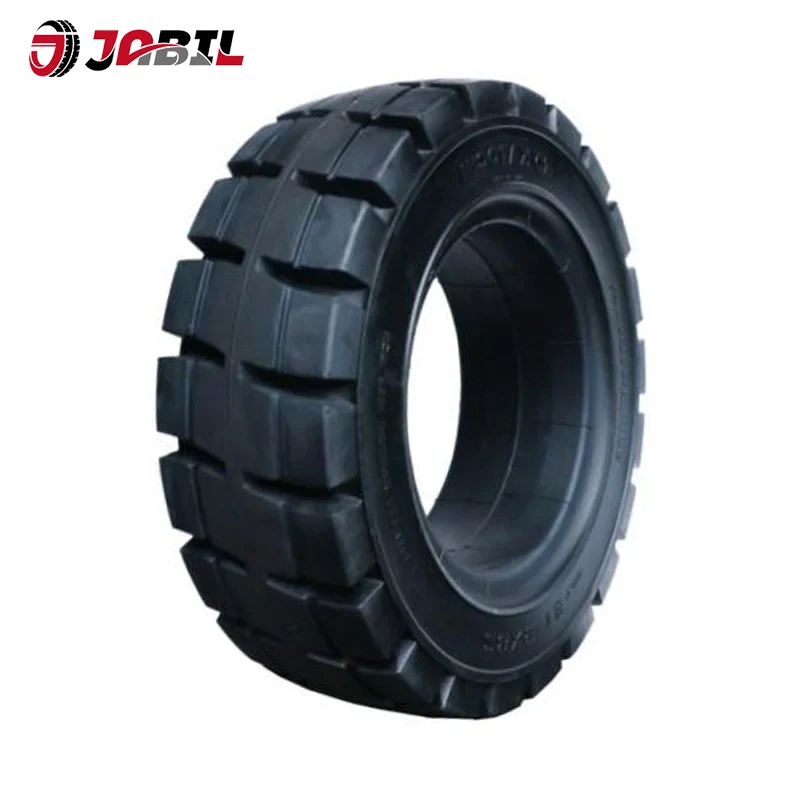
Tire Selection: Choose Non-Marking Solid tires with "high-efficiency formula". These tires adopt a special low rolling resistance formula, which can effectively reduce the hysteresis loss of rubber molecules and energy consumption while ensuring high elasticity. They also avoid tread scratches, meeting the needs of clean warehousing.

Condition Monitoring: Solid tires do not require inflation, but the wear line (60-J line) must be regularly monitored. Excessive wear will lead to an exponential increase in rolling resistance, which in turn increases energy consumption and shortens the range.


Daily Maintenance: Regularly clean metal debris, plastic films, and other debris embedded in the tread to avoid additional friction caused by uneven tread surfaces, ensuring smooth tire rolling and maintaining low rolling resistance characteristics.


Prohibited Operations: Avoid long-term high-speed driving in areas with excessively high ambient temperatures. Heat accumulation will change the physical properties of rubber, increase rolling resistance, accelerate tire aging, and shorten service life.


Scenario 2: Indoor Assembly Lines in Manufacturing Plants (Frequent Start-Stop and Steering)

In indoor assembly lines of manufacturing plants, electric forklifts need to start, stop, and steer frequently. Motor energy loss is mainly concentrated in the start-up phase, and tire deformation during steering will further increase energy consumption. With reference to technical recommendations from enterprises such as Maxam Tire, the adaptation plan is as follows:


Tire Selection: Choose low rolling resistance solid tires with High Modulus base rubber. High Modulus base rubber can reduce tire deformation during steering, lower energy loss, and at the same time improve the load-bearing capacity and stability of the tire, adapting to the high-frequency steering needs of assembly lines.


Pressure Control: If inflatable press-fit tires are used, the pressure should be maintained at 100% - 105% of the nominal value. Slightly higher pressure can reduce the contact area between the tire and the ground, thereby reducing rolling resistance, but over-inflation should be avoided to prevent uneven tread wear.


Daily Maintenance: Regularly check the tightening force of rim bolts to ensure no relative slip between the tire and the rim, reducing energy loss during transmission and avoiding tire damage caused by slip.


Prohibited Operations: It is strictly prohibited to turn the steering wheel to the limit in place. This operation will not only seriously wear the tread but also instantly generate a huge current peak, rapidly consuming battery power, increasing motor load, and shortening the service life of the equipment.


Frequently Asked Questions (FAQs): Resolving Doubts About LRR Tires

In practical applications, enterprises still have many doubts about low rolling resistance tires. We have sorted out 3 of the most common user questions and given clear answers combined with industry practices to help enterprises eliminate concerns and select tires rationally.

Q1: Are low rolling resistance tires harder than ordinary tires? Will they affect driving comfort?

A: Not necessarily. The realization of low rolling resistance characteristics mainly relies on optimizing the internal friction (hysteresis loss) of rubber molecules, rather than simply increasing tire hardness. High-quality low rolling resistance tires adopt a three-layer structure design (tread layer, middle shock absorption layer, base rubber layer). While reducing rolling resistance and saving energy, they can still provide good shock absorption effect, which will not significantly affect driving comfort. At the same time, they can improve driving stability, adapting to the bumpy road needs of industrial scenarios.

Q2: Is the range improvement really obvious after replacing with low rolling resistance tires?

A: Very obvious. Combined with the authoritative data mentioned earlier, a 3% - 5% improvement in the overall energy efficiency of the forklift can directly increase the working time by about 20-25 minutes in a standard 8-hour shift. Although this seems like a short period of time, it can often determine whether the forklift can successfully complete the daily operation task, avoiding the need to enter the "crawling mode" for charging due to insufficient power halfway, and reducing the efficiency loss caused by operational interruption. Especially in heavy-load and long-distance operation scenarios, the range improvement effect is more prominent. According to actual tests by some enterprises, after adapting to low rolling resistance tires, the single-charge range of forklifts can be increased by more than 1.8 hours.

Q3: Why are low rolling resistance tires more expensive? Are they really cost-effective?

A: Yes, and they have higher long-term cost performance. The price of low rolling resistance tires is usually 15% - 20% higher than that of ordinary tires, but from the perspective of long-term operating costs, their energy-saving advantages can quickly cover the price difference. On the one hand, reduced energy consumption can directly save electricity costs; on the other hand, low rolling resistance tires operate at a lower temperature, which can reduce tire aging speed, extend tire service life, reduce the number of battery charging cycles, delay battery attenuation, and lower battery replacement costs. According to industry practice data, most enterprises can recover the price difference within 6-9 months after replacing with low rolling resistance tires, and long-term use can significantly reduce comprehensive operating costs. A major international logistics giant reduced its comprehensive maintenance costs by more than 30% after applying low rolling resistance polyurethane solid tires, confirming its high cost performance. Aneng Logistics, a well-known domestic logistics enterprise, promoted the use of low rolling resistance tires in the upgrading of electric forklifts and logistics vehicles. Combined with vehicle configuration optimization, route adjustment and other measures, it achieved remarkable results in energy conservation and consumption reduction alone, among which the contribution of low rolling resistance tires accounted for more than 35%, effectively reducing the electricity costs and tire replacement costs of forklift operations. A large fiber enterprise in Jiangnan supporting dozens of Heli G2 series lithium battery forklifts with domestic low rolling resistance solid tires, adapting to the high-intensity and multi-shift operation scenarios of the enterprise. It not only increased the single-charge range of forklifts by 1.2 hours but also extended the tire replacement cycle by 30%, reducing the monthly comprehensive operating costs by nearly 2,000 yuan, achieving dual benefits of energy conservation and efficient operation.

Conclusion

In the trend of electric forklifts moving towards high efficiency, energy conservation, and low carbon, low rolling resistance (LRR) tires have become an "invisible tool" to improve range and reduce operating costs. It does not require enterprises to carry out large-scale modifications to the forklifts themselves. Only through reasonable tire selection and standardized use can dual goals of energy consumption reduction and range extension be achieved. For industries such as logistics and manufacturing that rely on electric forklifts, paying attention to the optimization of tire rolling resistance will become an important starting point to enhance core competitiveness. With the improvement of the full-process intelligent manufacturing system of enterprises such as Infinity Tyres, the performance of low rolling resistance tires will be further improved, and the process of localization replacement will be accelerated, providing more enterprises with cost-effective energy-saving solutions.


Related News
Leave me a message
X
We use cookies to offer you a better browsing experience, analyze site traffic and personalize content. By using this site, you agree to our use of cookies. Privacy Policy
Reject Accept