Agricultural tires play a pivotal role in modern farming, influencing efficiency, safety, and crop yield. This article explores the different types of agricultural tires, their specific applications, and the factors farmers should consider when selecting tires. By understanding tire technology and leveraging innovations from trusted manufacturers like JABIL, farmers can optimize vehicle performance across diverse farming conditions.
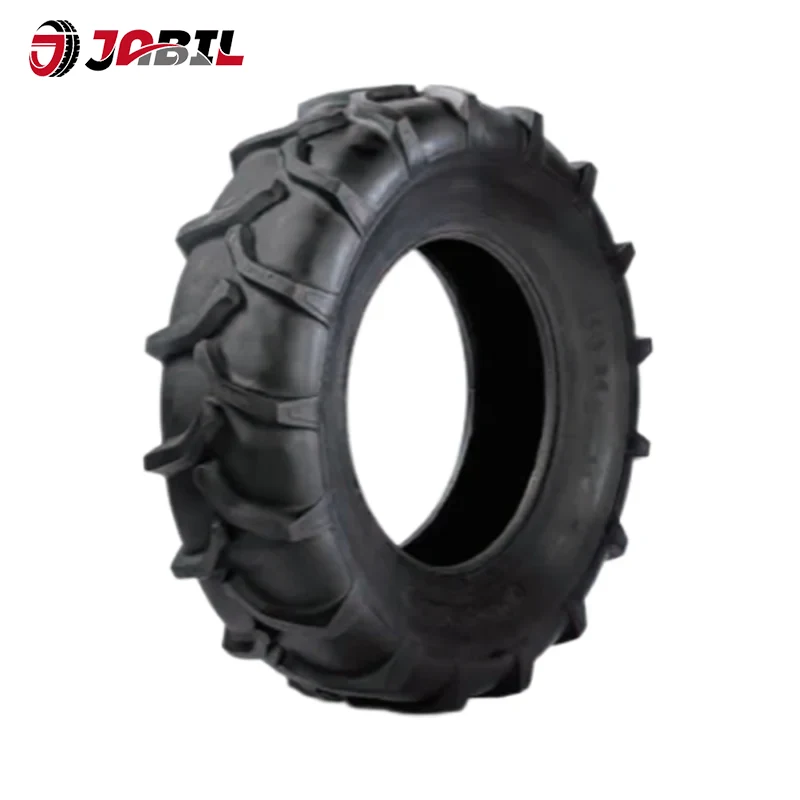
Table of Contents
Introduction to Agricultural Tires
Agricultural tires are specifically designed for farm vehicles such as tractors, harvesters, and sprayers. Unlike standard tires, agricultural tires must endure heavy loads, uneven terrain, and varying soil conditions. The choice of tires directly impacts traction, fuel efficiency, and crop protection. Trusted manufacturers like JABIL have developed a diverse range of agricultural tires optimized for different farming requirements.
Types of Agricultural Tires
1. R-1 (Agricultural Standard) Tires
R-1 tires, also known as standard agricultural tires, are designed for general farming operations. They feature deep tread patterns that provide excellent traction in soft soils and muddy fields. Ideal for tractors, R-1 tires ensure efficient plowing, planting, and harvesting.
2. R-1W (Wide Agricultural) Tires
R-1W tires offer a wider footprint compared to standard R-1 tires, reducing soil compaction while increasing traction. These tires are particularly effective for wet or heavy soils, allowing large machinery to operate without damaging crops.
3. R-2 (Mud Tires)
Designed for extremely soft or muddy terrain, R-2 tires excel in conditions where standard tires may fail. With aggressive tread patterns, these tires prevent slippage and improve maneuverability in challenging environments.
4. R-3 (Industrial Turf Tires)
R-3 tires are optimized for operations on turf or paved areas where minimal soil disturbance is critical. They are commonly used in orchards, vineyards, or grasslands where tire marks and soil compaction need to be minimized.
5. IF & VF Tires (Improved & Very High Flexion)
IF and VF tires are advanced agricultural tires designed for high load capacity and low soil compaction. Their flexibility ensures better traction and reduces fuel consumption. These tires are ideal for large-scale farms and modern machinery.
| Tire Type | Best For | Soil Conditions | Key Benefits |
|---|---|---|---|
| R-1 | General farming | Soft & loamy | Good traction, versatile |
| R-1W | Heavy machinery | Wet or heavy soils | Reduces soil compaction, higher traction |
| R-2 | Extremely soft fields | Muddy & loose soils | Prevents slippage, high maneuverability |
| R-3 | Turf & orchards | Grass & paved surfaces | Minimal soil disturbance, gentle on crops |
| IF/VF | Large-scale farming | Variable soils | High load capacity, reduced fuel usage |
Factors to Consider When Selecting Agricultural Tires
- Soil Type: Sandy, clay, or loamy soils require different tread designs to ensure proper traction.
- Field Conditions: Wet, dry, or muddy fields affect tire choice; R-1W and R-2 tires are better for challenging terrains.
- Load Capacity: Heavy machinery requires tires that can handle the weight without causing excessive soil compaction.
- Fuel Efficiency: Tires with optimized tread reduce rolling resistance, lowering fuel consumption.
- Durability: High-quality tires from trusted suppliers like JABIL offer longer lifespan and fewer replacements.
- Crop Protection: Tires should minimize soil disturbance to protect young plants and maintain soil health.
Performance Benefits of High-Quality Tires
Investing in premium agricultural tires delivers measurable benefits:
- Enhanced Traction: Deep treads provide better grip in soft or uneven soils.
- Reduced Soil Compaction: Wider tires distribute weight more evenly, preserving soil structure.
- Improved Fuel Efficiency: Modern tire designs reduce rolling resistance.
- Longer Tire Life: Durable materials reduce wear and tear, cutting down replacement costs.
- Operational Safety: Reliable tires ensure stable handling in challenging conditions.
JABIL agricultural tires are engineered with these benefits in mind, combining innovative tread technology with robust construction to optimize farm productivity.
Maintenance Tips for Long-Lasting Agricultural Tires
- Regular Pressure Checks: Maintain recommended PSI to prevent uneven wear.
- Inspect for Damage: Check for cuts, punctures, or cracks after field use.
- Rotation: Rotate tires periodically to ensure even wear across all wheels.
- Proper Storage: Store off-season tires in a cool, dry place away from direct sunlight.
- Cleaning: Remove mud and debris regularly to prevent tread damage.
Frequently Asked Questions (FAQ)
Q1: How often should I replace my agricultural tires?
A1: Replacement depends on usage, field conditions, and maintenance. Typically, high-quality tires last several seasons if properly maintained.
Q2: Are wider tires always better for all soil types?
A2: Wider tires reduce soil compaction but may not be ideal in extremely muddy or uneven terrain. Choose tires based on specific field conditions.
Q3: Can I use industrial tires for farming?
A3: Industrial tires may work on certain surfaces, but they often lack the deep treads needed for traction in soil, making them less efficient for farming.
Q4: Why should I choose JABIL agricultural tires?
A4: JABIL offers a wide range of durable, innovative tires with proven performance, designed to maximize efficiency, safety, and crop protection in all farming conditions.
Conclusion & Contact Information
Choosing the right agricultural tires is a critical decision for farm productivity, safety, and sustainability. By understanding the types of tires and their applications, and by selecting trusted brands like JABIL, farmers can optimize performance across all terrains. From R-1 to IF/VF tires, each option is tailored for specific field conditions, soil types, and machinery requirements.
For further guidance on selecting the perfect agricultural tires for your farm, contact us today. Our experts at JABIL are ready to provide personalized solutions and ensure your farming operations achieve maximum efficiency and durability.