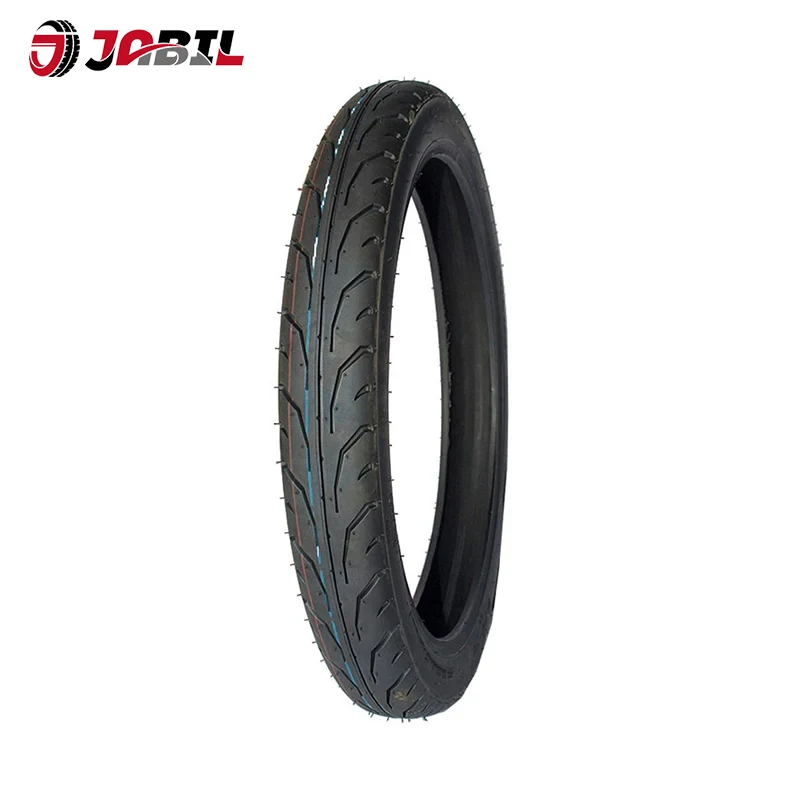
Non-Pneumatic Forklift Solid Tires with Clip
Non-pneumatic tires represent a fundamental shift in forklift tire technology—the complete elimination of air pressure as a load-bearing mechanism. Where pneumatic tires depend on compressed air to support the vehicle's weight, Non-Pneumatic Forklift Solid Tires with Clip rely on the compressive strength of engineered rubber compounds. This distinction is not incremental; it changes the maintenance profile, the failure modes, and the total cost of ownership of the tire over its entire service life. The Clip installation system further enhances this value proposition by making replacement as straightforward as the tire itself is durable.
What "Non-Pneumatic" Actually Means in Practice?
The term "non-pneumatic" describes a tire that does not contain compressed air. This is a simple statement with far-reaching operational consequences:
• No pressure maintenance: Air pressure is not a variable that needs monitoring. No weekly pressure checks, no pressure-related adjustments, no gradual pressure loss over time.
• No temperature sensitivity: Pressure does not increase with heat or decrease with cold. The tire's load capacity is independent of ambient temperature.
• No pressure-related failure modes: Blowouts, sidewall damage from under-inflation, and bead separation from over-inflation are eliminated.
• Consistent footprint: The tire's ground contact area remains constant regardless of load or operating conditions, providing predictable traction and wear patterns.
In practical terms, this means the tire performs the same way on the first day of operation as it does on the thousandth day—provided the tread wears evenly and the rubber compound remains intact. This consistency is the primary operational advantage of non-pneumatic tire technology.
Specifications & Load Ratings
The following table provides complete dimensions and load data for each size in the Non-Pneumatic Forklift Solid Tires with Clip product line. Load capacity varies with operating speed—ratings are provided for 10km/h, 16km/h, and 25km/h speeds, with separate values for drive and steer axles. The "Other Forklift" column applies to non-balanced forklift configurations at 16km/h.
|
Tire Size
|
Rim
|
Pattern
|
Overall Diameter mm
|
Section Width mm
|
Drive Width mm
|
Load Capacity (kg)
|
Other Forklift
16km/h
|
|
Balance Forklift
|
|
10km/h
|
16km/h
|
25km/h
|
|
Drive
|
Steer
|
Drive
|
Steer
|
Drive
|
Steer
|
|
4.00-8
|
3.00
|
YY-101/YY-102
|
400
|
111
|
102
|
1055
|
845
|
1020
|
765
|
950
|
715
|
730
|
15×4.5-8
(125/75-8)
|
3.00
|
YY-101/YY-102
|
370
|
109
|
100
|
905
|
725
|
675
|
655
|
805
|
605
|
625
|
|
15×6.5-8
|
5.00
|
YY-110
|
377
|
165
|
156
|
1010
|
820
|
825
|
805
|
910
|
670
|
680
|
|
5.00-8
|
3.00
|
YY-101/YY-102
|
455
|
125
|
117
|
1210
|
970
|
1175
|
880
|
1095
|
820
|
840
|
16×6-8
(150/75-8)
|
4.33
|
YY-101/YY-102
|
404
|
147
|
135
|
1500
|
1200
|
1445
|
1085
|
1345
|
1010
|
1035
|
18×7-8
(180/70-8)
|
4.33
|
YY-101/YY-102
|
440
|
155
|
150
|
2350
|
1880
|
2265
|
1700
|
2110
|
1585
|
1620
|
|
18×7-8(Wide)
|
4.33
|
YY-102
|
449
|
172
|
166
|
2720
|
2110
|
1480
|
1980
|
2400
|
1850
|
1900
|
|
18×7-9
|
4.33
|
YY-101/YY-102
|
452
|
155
|
—
|
2230
|
1780
|
2150
|
1615
|
2005
|
1505
|
1540
|
|
18×7-10
|
4.50
|
YY-101
|
455
|
154
|
148
|
2980
|
2450
|
1780
|
2360
|
2800
|
2250
|
2200
|
|
6.00-9
|
4.00
|
YY-101/YY-102
|
515
|
143
|
131
|
1920
|
1535
|
1855
|
1390
|
1730
|
1295
|
1325
|
|
7.00-9
|
5.00
|
YY-101/YY-102
|
536
|
157
|
150
|
2370
|
2015
|
2805
|
1925
|
2370
|
1750
|
1785
|
21×8-9
(200/75-9)
|
6.00
|
YY-101/YY-102
|
505
|
192
|
182
|
2810
|
2250
|
2715
|
2035
|
2530
|
1895
|
1940
|
|
200/50-10
|
6.50
|
YY-101/YY-102
|
441
|
187
|
127
|
2370
|
1900
|
2290
|
1720
|
2135
|
1605
|
1630
|
|
6.50-10
|
5.00
|
YY-101/YY-102
|
566
|
153
|
145
|
2840
|
2110
|
2545
|
1910
|
2370
|
1780
|
1820
|
23×9-10
(225/75-10)
|
6.50
|
YY-101/YY-102
|
561
|
191
|
184
|
4005
|
3205
|
3845
|
2885
|
3605
|
2705
|
2765
|
|
7.00-12
|
5.00
|
YY-101/YY-102
|
643
|
176
|
163
|
3015
|
2410
|
2910
|
2185
|
2710
|
2035
|
2075
|
|
23×10-12
|
8.00
|
YY-101/YY-102
|
586
|
227
|
224
|
3980
|
3420
|
3820
|
3210
|
3586
|
3010
|
2980
|
|
8.25-12
|
5.00
|
YY-101/YY-102
|
696
|
189
|
181
|
3326
|
2660
|
3215
|
2410
|
2995
|
2245
|
2295
|
27×10-12
(250/75-12)
|
8.00
|
YY-101
|
661
|
232
|
221
|
4465
|
3570
|
4315
|
3235
|
4020
|
3015
|
3080
|
|
5.50-15
|
4.50
|
YY-106
|
653
|
151
|
135
|
2830
|
2095
|
2705
|
2000
|
2455
|
1820
|
1675
|
|
6.00-15
|
4.50
|
YY-106
|
653
|
151
|
135
|
2830
|
2095
|
2705
|
2000
|
2455
|
1820
|
1675
|
28×9-15
(8.15-15)
(225/70-15)
|
7.00
|
YY-101/YY-102
|
691
|
208
|
196
|
4090
|
3270
|
3945
|
2960
|
3675
|
2755
|
2820
|
|
28×9-16
|
6.50
|
YY-101
|
675
|
190
|
—
|
4090
|
3270
|
—
|
—
|
3675
|
2755
|
—
|
250-15
(250/70-15)
|
7.50
|
YY-101/YY-102
|
693
|
228
|
217
|
4366
|
3400
|
4220
|
3160
|
3930
|
2955
|
3010
|
|
7.00-15
|
5.50
|
YY-101/YY-102
|
711
|
187
|
173
|
3590
|
2870
|
3465
|
2600
|
3225
|
2420
|
2475
|
|
7.50-15
|
5.50
|
YY-101
|
752
|
189
|
180
|
3690
|
2950
|
3425
|
2570
|
3190
|
2395
|
2450
|
|
8.25-15
|
6.50
|
YY-101/YY-102
|
810
|
204
|
192
|
4940
|
3950
|
4765
|
3575
|
4440
|
3330
|
3045
|
300-15
(315/70-15)
|
8.00
|
YY-101
|
788
|
238
|
234
|
5990
|
4700
|
5780
|
4335
|
5380
|
4037
|
4130
|
28×12.5-15
(345/45-15)
|
9.75
|
YY-109
|
706
|
300
|
—
|
5735
|
4590
|
5540
|
4165
|
5170
|
3890
|
3955
|
|
355/65-15
|
9.75
|
YY-101
|
818
|
302
|
279
|
6140
|
4940
|
6300
|
5650
|
5950
|
4190
|
5450
|
|
8.25-20
|
6.5/7.0
|
YY-101
|
933
|
212
|
200
|
5425
|
4340
|
5420
|
3930
|
4880
|
3735
|
3475
|
|
9.00-20
|
6.5/7.0
|
YY-101
|
948
|
222
|
210
|
6450
|
5160
|
6235
|
4675
|
5805
|
4355
|
4450
|
|
10.00-20
|
7.5/8.0
|
YY-101/SM
|
1038
|
264
|
255
|
7240
|
5795
|
6995
|
5240
|
6610
|
4885
|
4995
|
|
11.00-20
|
7.5/8.0
|
YY-101
|
1038
|
264
|
255
|
7560
|
6050
|
7300
|
5490
|
6810
|
5120
|
5210
|
|
12.00-20
|
8.0/8.5
|
YY-101
|
1086
|
282
|
271
|
8800
|
7000
|
8500
|
6925
|
8000
|
6450
|
6595
|
|
The Clip Retention System: Installation Without Compromise
The Non-Pneumatic Forklift Solid Tires with Clip system addresses one of the historical barriers to solid tire adoption: installation complexity. Press-fit solid tires require a hydraulic press—a large, stationary piece of equipment that dictates where and how tire changes can be performed.
The Clip system uses a different retention principle. A hardened metal retaining ring is embedded in the tire's bead area. The tire is stretched using a portable hydraulic expander, the retaining ring aligns with the rim groove, and the elastic recovery of the tire body locks the assembly in place.
This approach has three practical consequences:
• Location flexibility: Tire changes can be performed on-site, without moving the equipment to a workshop.
• Equipment simplicity: The hydraulic expander is portable and requires less training to operate than a press.
• Reduced downtime: The total time from start to completion is significantly shorter than press-fit replacement.
The mechanical retention is robust—case-hardened steel against laser-hardened rim grooves—and has been validated through extensive field testing.
Industrial Applications & Operating Environments
Non-Pneumatic Forklift Solid Tires with Clip are not suitable for every application. They are optimal in specific operating environments where the characteristics of solid construction provide clear advantages:
Warehouse & Distribution Centers: Smooth concrete floors, primarily indoor operation, frequent stop-and-go cycles. Solid tires provide long service life and predictable wear patterns in this environment.
Recycling & Scrap Processing: Sharp debris, metal fragments, abrasive materials. Pneumatic tires fail frequently in these conditions; solid tires eliminate puncture-related downtime.
Manufacturing Facilities: Metalworking shops, foundries, and plants with floor debris. The cut resistance of solid rubber compounds provides protection against floor hazards.
Cold Storage & Freezer Warehouses: Low temperatures that affect pneumatic tire pressure and flexibility. Solid tires maintain consistent performance at low temperatures.
The availability of multiple tread patterns—YY-101, YY-102, YY-106, YY-109, YY-110—allows matching the tire to the specific traction requirements of each environment.
Competitive Benchmark: Non-Pneumatic Solid vs. Alternatives
The following comparison evaluates Non-Pneumatic Forklift Solid Tires with Clip against three alternatives commonly used in forklift applications:
|
Parameter
|
Non-Pneumatic Solid Tire (Clip)
|
Press-Fit Solid Tire
|
Pneumatic Tire
|
Foam-Filled Tire
|
|
Air Pressure Maintenance
|
None required
|
None
|
Weekly checks required
|
None
|
|
Puncture Failure Mode
|
Eliminated
|
Eliminated
|
Present—common failure mode
|
Partially eliminated
|
|
Temperature Sensitivity
|
Minimal—stable performance
|
Minimal
|
High—pressure fluctuates
|
Minimal
|
|
Installation Equipment
|
Portable hydraulic expander
|
Hydraulic press—stationary
|
Standard tire mounting tools
|
Standard tire mounting tools
|
|
Service Life (heavy use)
|
3–5 years
|
3–5 years
|
6–18 months
|
1.5–2 years
|
|
Load Capacity
|
High—exceeds pneumatic
|
Highest
|
Lower than solid
|
Comparable to solid
|
|
Heat Dissipation
|
Good—three-layer construction
|
Good
|
Good—air circulation
|
Poor—foam insulates
|
|
Total Cost of Ownership
|
Lowest
|
Low
|
Highest
|
Moderate
|
The comparison highlights the distinct position of non-pneumatic solid tires: they offer the same durability as press-fit solids with easier installation, while eliminating the failure modes and maintenance requirements of pneumatic alternatives.
Frequently Asked Questions
Q1: What does "non-pneumatic" mean in practical terms?
It means the tire contains no compressed air. The vehicle's weight is supported by the compressive strength of the solid rubber construction. There is no air pressure to check, no inflation to maintain, and no pressure-related failures.
Q2: Are non-pneumatic tires heavier than pneumatic tires?
Yes. Solid tires are heavier than equivalent pneumatic tires. This is a trade-off for the elimination of air-related failure modes. The weight difference is acceptable for most industrial applications and is offset by the extended service life.
Q3: Can non-pneumatic solid tires be used on all forklifts?
Most forklifts can be fitted with solid tires, but it depends on the rim configuration and load requirements. The specification table provides load ratings for each size. If your forklift requires a non-standard size, custom solutions are available.
Q4: How does the ride quality of non-pneumatic tires compare to pneumatic?
Non-Pneumatic Forklift Solid Tires with Clip provide better shock absorption due to the cushioning effect of air. Solid tires transmit more vibration to the operator and equipment. However, JABIL's three-layer construction improves shock absorption compared to conventional solid tires.
Q5: Are non-marking compounds available?
Yes. Non-marking compounds are available for YY-101 and YY-102 patterns. They are commonly used in food processing, pharmaceutical, and electronics manufacturing environments.