Tire Knowledge Base

Demand Trends for Cost-Effective OTR Tires Amid the Upgrading Construction and Material Handling Industries in North America

2026-05-07 0 Leave me a message

This article explains one key question: how buyers in North America should choose OTR tires that are durable, cost-effective, and suitable for real working conditions as construction and material handling operations continue to upgrade.

1) Practical Solutions by Working Scenario

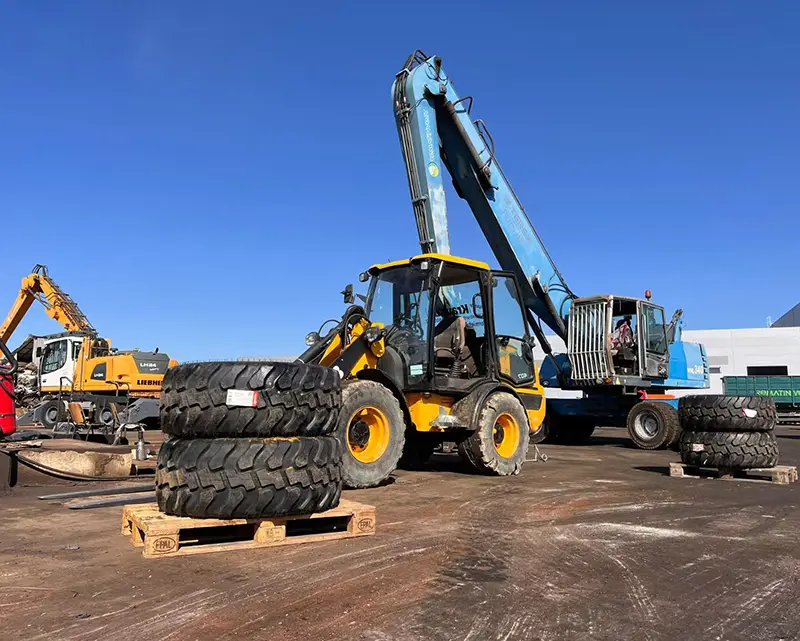
Scenario 1: Construction Sites / Earthmoving / Medium-to-Heavy Load Loaders

Typical challenges:

Rough ground and lots of gravel

Wide load fluctuations

Tires are easily cut, chipped, or unevenly worn

Downtime is expensive


Recommended tire type:

Bias OTR tires, such as E3 / L3

For more demanding working conditions, choose a stronger carcass structure

If the ground is harsher and impact is stronger, choose a tire with a thicker body design


Recommended inflation:

Always follow the equipment manufacturer’s and tire load chart recommendations

Avoid overloading and avoid running underinflated

Actual pressure should be based on load tables, not experience alone


Maintenance tips:

Check inflation and tread damage before daily operation

Watch for cuts, bulges, and edge cracks

Match the tire to the working condition instead of using one tire for all applications

Common mistakes to avoid:

Running at low pressure for long periods

Overloading during material pushing

Using warehouse tires instead of proper construction tires

Focusing only on unit price instead of tire life


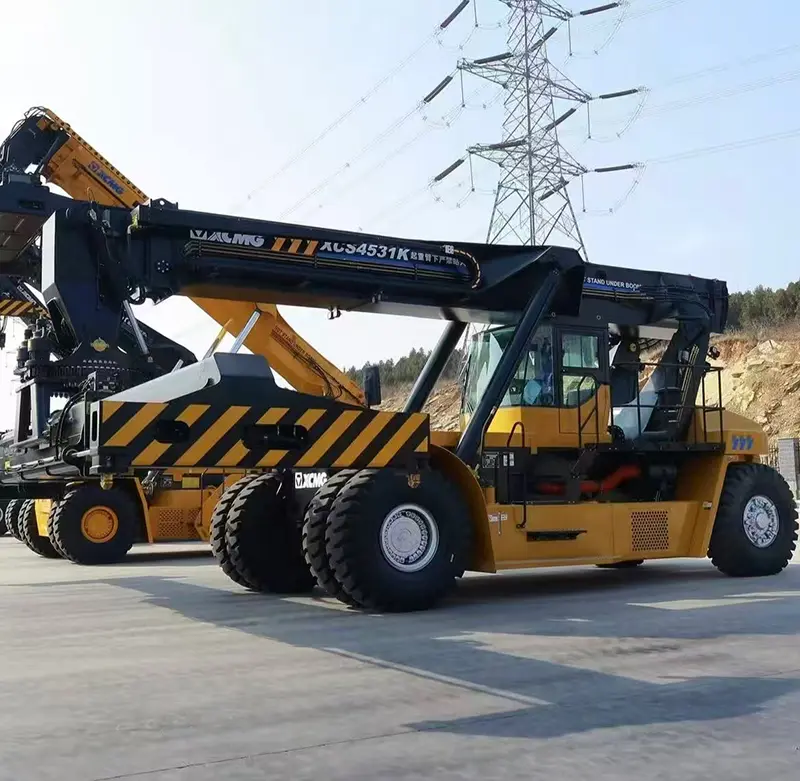
Scenario 2: Ports / Terminals / Material Transfer Areas

Typical challenges:

Long continuous working hours

Heavy loads

Metal debris, gravel, and wet surfaces

Any tire failure can reduce overall operating efficiency


Recommended tire type:

OTR tires with stronger wear resistance and damage resistance

For medium-load equipment, choose cost-effective bias OTR tires

If the customer has a limited budget but wants to control downtime, choose a balanced product with both wear resistance and stability


Recommended inflation:

Follow the equipment manual and tire load chart

Heavy-load equipment must never run underinflated


Maintenance tips:

Inspect tread cuts and sidewall damage regularly

Monitor heat build-up and abnormal wear

Keep tire usage records for better replacement planning


Common mistakes to avoid:

Treating a standard OTR tire as if it were indestructible

Ignoring puncture risk from debris

Waiting until a blowout occurs before replacement


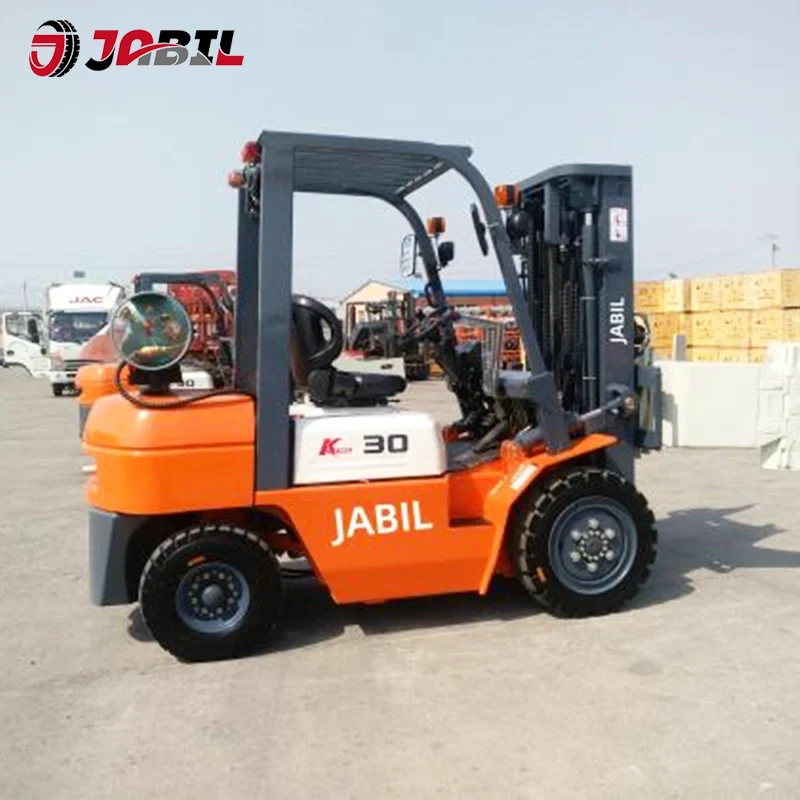
Scenario 3: Warehousing Areas / Material Handling / Forklift and Small Construction Equipment

Typical challenges:

High equipment usage frequency

Relatively smooth floors, but frequent turning and reversing

Buyers want a balance between performance and cost


Recommended tire type:

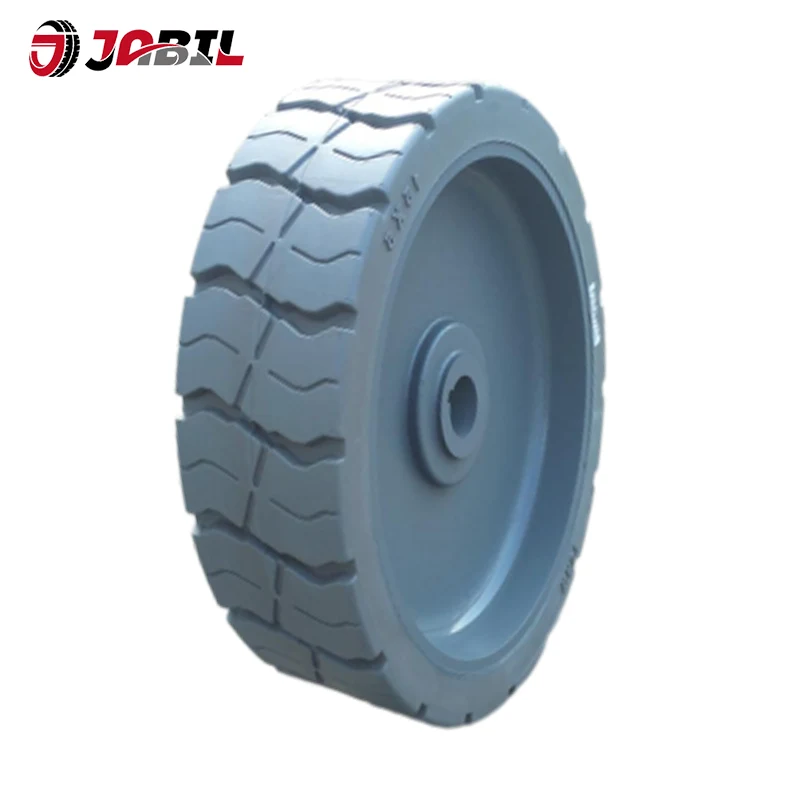
Industrial tires or small OTR tires

For forklifts, skid steer loaders, and small construction machines, choose a tire size that matches the equipment properly

For price-sensitive buyers, recommend “cost-effective OTR tires” rather than pushing only premium models


Recommended inflation:

Set pressure according to tire size and load capacity

Check weekly to make sure there are no slow leaks


Maintenance tips:

Check wear uniformity regularly

Keep left and right tires consistent

Do not mix tires with very different wear levels on the same machine


Common mistakes to avoid:

Thinking “cheap = cost-effective”

Ignoring how wear affects fuel consumption and handling

Using an unsuitable tire in high-turning applications


2)3 Common Questions from Real Buyers

Q1: Why do North American buyers care more about “cost-effective OTR tires” instead of just cheap tires?

Because buyers care about total cost, not just purchase price.

If the tire wears out quickly, causes downtime, or needs frequent replacement, the low initial price will not save money in the long run.

The real value of a cost-effective tire is: longer service life + less downtime + more stable performance.


Q2: What is the difference between OTR tires and industrial tires?

In simple terms:

OTR tires are better for construction, earthmoving, rough ground, and heavy-load applications

Industrial tires are better for material handling, warehousing, lighter equipment, and some smooth-surface applications

If the work is heavier and more impact-intensive, OTR tires are the better choice. If the application is warehouse or material handling, industrial tires are usually more suitable.


Q3: What is the most common mistake buyers make when purchasing OTR tires?

The three most common mistakes are:

Buying only by price and ignoring the working condition

Not matching the tire size to the equipment specification

Ignoring inflation and maintenance

A tire is not better just because it is cheaper; it must match the machine, load, and ground conditions.


3) Conclusion

As construction and material handling industries in North America upgrade, customer requirements for OTR tires are changing.

Buyers are no longer asking only, “How much is it?” They are now asking:

How long will it last?

Will it reduce downtime?

Is it suitable for heavy loads?

Is maintenance easy?

So, the value of a cost-effective OTR tire is not just being cheap. It is about minimizing failures and downtime while keeping costs under control.

For buyers, that is the real definition of value.


Related News
Leave me a message
X
We use cookies to offer you a better browsing experience, analyze site traffic and personalize content. By using this site, you agree to our use of cookies. Privacy Policy
Reject Accept