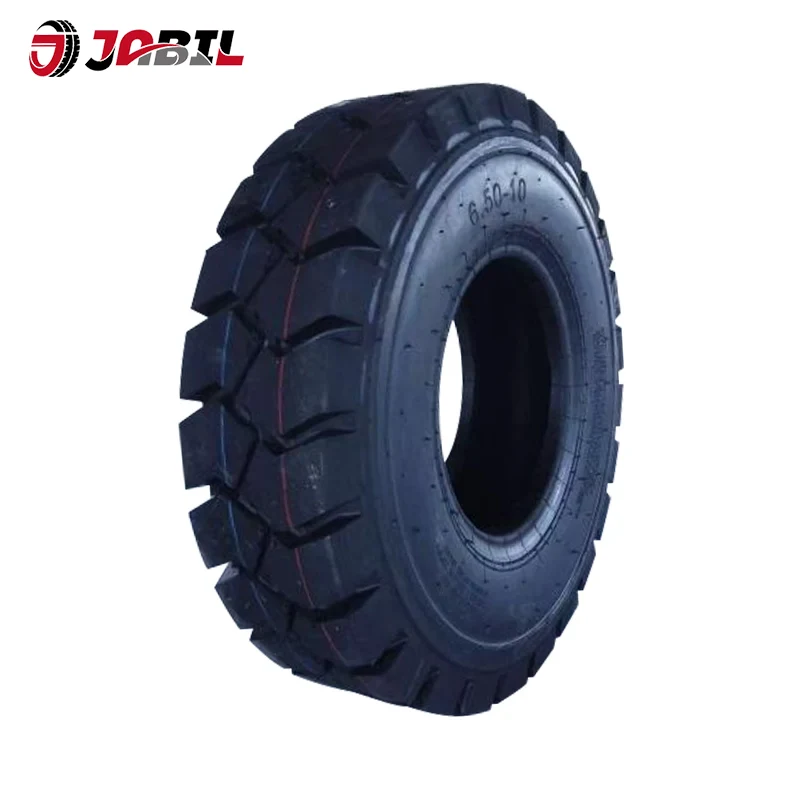
When buyers compare tire components, they often focus on tread, load rating, or price first. Yet in many commercial, agricultural, industrial, and off-road applications, Tubes and Flaps still play a critical role in daily reliability. A poor match can lead to frequent air loss, heat build-up, rim chafing, sidewall damage, and costly downtime. A well-chosen solution, on the other hand, supports pressure stability, protects the casing, and keeps fleets and machines moving with fewer interruptions. At JABIL Rubber Co., Ltd., this is exactly why product selection should never stop at the outer tire alone.
This article explains why Tubes and Flaps remain essential in many tire systems, what common buyers get wrong during selection, and how the right combination reduces maintenance pressure, premature wear, and operating risk. It also breaks down practical buying criteria, compares application scenarios, and answers the questions customers usually ask before placing an order.
- Define the role of Tubes and Flaps in real working conditions
- Identify the most common pain points in replacement and procurement
- Explain the technical and practical factors behind better product matching
- Use a comparison table to simplify purchasing decisions
- Offer maintenance guidance and direct answers to common buyer questions
Why are Tubes and Flaps still important?
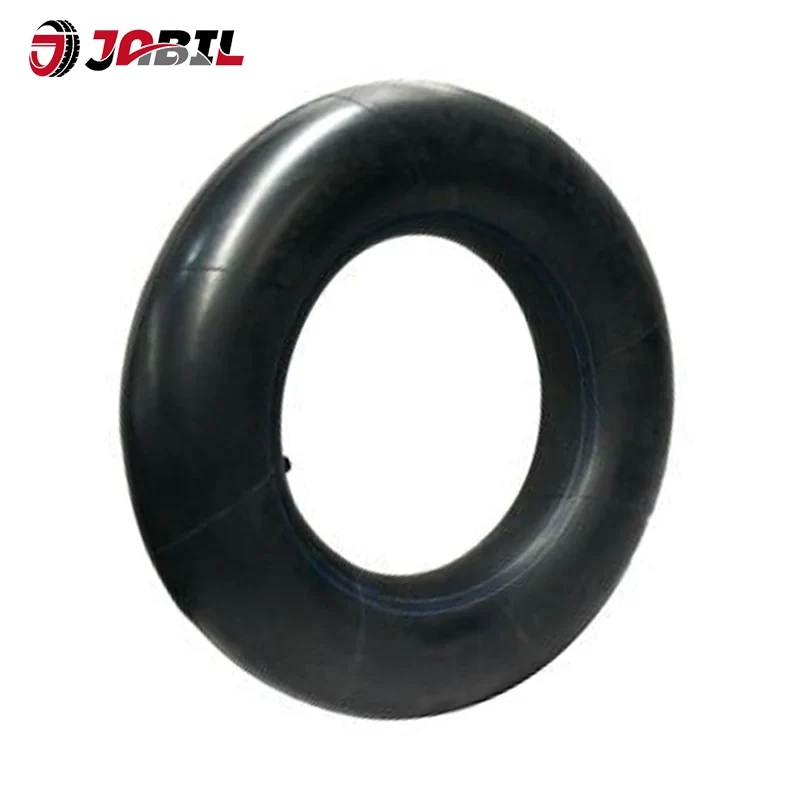
In many demanding tire systems, the inner structure matters as much as the outer shell. Tubes and Flaps are not just supporting accessories. They help preserve internal air pressure, reduce friction between components, and shield the tube from direct contact with rim edges, spoke holes, weld seams, or other abrasive surfaces. In heavy-duty service, those details directly affect uptime.
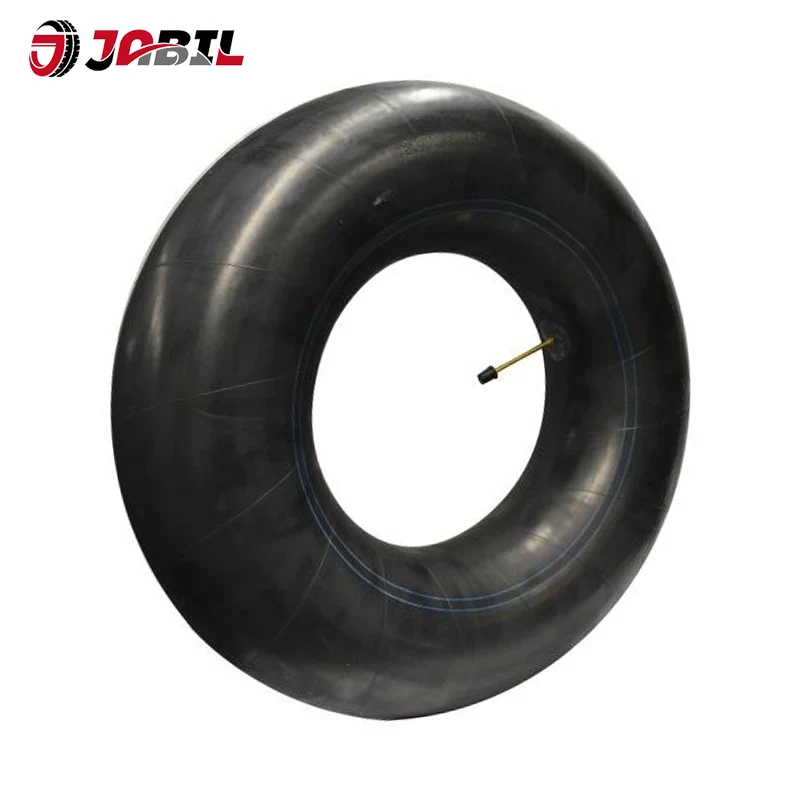
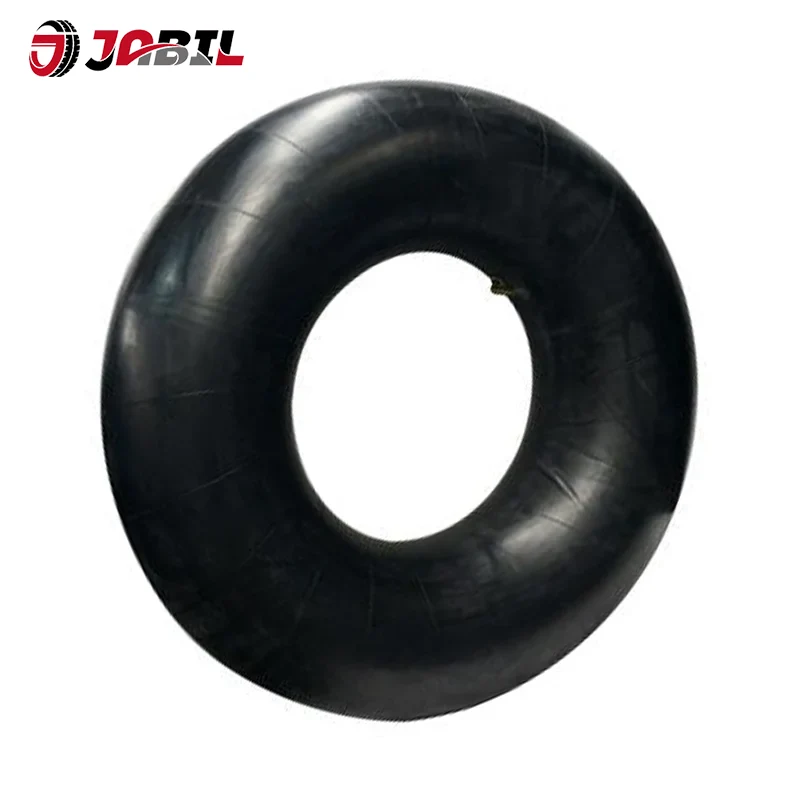
A tire tube is expected to hold air consistently under pressure changes, load changes, and temperature variation. A flap acts as a protective layer between the tube and the wheel assembly, helping reduce mechanical damage caused by contact stress. When either component is low in quality or poorly matched, the result is rarely a small inconvenience. It usually shows up as repeated puncture-like failures, mysterious leakage, irregular wear, or a shorter replacement cycle than expected.
This is why many buyers discover an expensive lesson only after installation. The outer tire may still look acceptable, but the weak point inside the assembly keeps creating preventable service issues. In sectors where downtime means delayed harvest, interrupted transport, reduced equipment availability, or missed delivery schedules, that hidden weakness becomes an operational problem.
- They support air retention in tube-type tire systems
- They help reduce friction-related damage inside the assembly
- They protect against rim-related abrasion and pinch points
- They improve stability in difficult working environments
- They help lower maintenance frequency when properly matched
What problems do buyers usually face?
Most customer pain points do not begin with the order itself. They begin with assumptions. Some buyers assume any tube of the right size will work. Others think flaps are optional or interchangeable. In reality, operating conditions make a major difference. A product that performs adequately in light use may fail quickly in mining, construction, agriculture, or long-haul transport.
Here are the most common issues buyers run into:
- Air loss after installation caused by poor material integrity, valve mismatch, or incorrect size fit
- Early tube wear caused by internal rubbing, heat, or rough rim contact
- Unexpected downtime when equipment must stop for replacement or inspection
- Confusing product selection because size alone does not define the right solution
- Inconsistent quality between batches which creates maintenance uncertainty for distributors and fleet buyers
- Short service life under load when the tube or flap is not designed for the application intensity
These problems are especially frustrating because they often appear after the buyer believes the purchasing task is already complete. The cost is not just the part itself. It includes labor, machine stoppage, transport delay, replacement handling, and sometimes damage to the tire casing or wheel components as well.
How should the right Tubes and Flaps be selected?
The safest way to choose Tubes and Flaps is to evaluate the full working environment instead of focusing only on nominal size. The right product should fit the tire and wheel correctly, but it should also align with pressure demands, load range, terrain conditions, operating speed, and replacement frequency expectations.
Buyers should pay close attention to the following factors:
- Application type such as passenger, truck, bus, agricultural, industrial, or off-road use
- Material quality because air retention, elasticity, and durability depend heavily on compound performance
- Valve compatibility to avoid fitment issues during installation or later maintenance
- Rim condition and structure especially where protective flap performance matters
- Work intensity including heat, speed, rough surfaces, and sustained load
- Supply consistency for distributors and long-term buyers who need stable replenishment
A reliable supplier should also be able to support custom needs where necessary. Not every market has identical size demand, rim structure, or service conditions. That is why many professional buyers prefer working with manufacturers that can support broader product coverage and application-specific understanding instead of offering generic replacements alone.
For example, fleet operators may prioritize pressure retention and reduced service stops. Agricultural buyers may focus more on durability in uneven terrain and seasonal work peaks. Industrial users may care about resistance to harsh usage cycles and repeated loading. Good purchasing decisions begin when those differences are recognized early.
Which applications need more careful matching?
Not all tire systems place the same level of stress on internal components. Some applications allow a little more tolerance. Others do not. The more intense the working condition, the more important it becomes to choose the correct Tubes and Flaps rather than the cheapest available option.
Applications that typically require extra care include:
- Heavy truck and bus operations where pressure stability and service reliability directly affect route continuity
- Agricultural machinery where changing field conditions and prolonged seasonal use can increase strain
- Industrial vehicles where rough surfaces, repetitive loading, and hard turns add mechanical stress
- OTR and off-road equipment where large sizes and harsh environments increase the cost of failure
- Motorcycle and light truck use where proper fitment is essential for safe, consistent handling
In these segments, poor matching does not remain hidden for long. Operators tend to notice the consequences quickly, whether through pressure loss, more frequent replacement, or a maintenance team that keeps seeing the same issue return.
What should buyers compare before ordering?
A clear comparison framework helps purchasing teams avoid reactive buying. Instead of replacing the last failed item with a similar one, buyers should compare performance expectations in a more structured way.
| Comparison Point | What Buyers Should Check | Why It Matters |
|---|---|---|
| Application Match | Vehicle type, load range, terrain, and work intensity | Reduces the risk of choosing a product that fails under real conditions |
| Tube Material | Air retention performance, flexibility, and heat behavior | Affects pressure stability and service life |
| Flap Protection | Thickness, fit, durability, and rim shielding ability | Helps prevent abrasion and internal mechanical damage |
| Valve Type | Correct valve style, angle, and compatibility with the wheel setup | Improves installation reliability and maintenance convenience |
| Size Accuracy | Proper matching to the tire and wheel assembly | Prevents fold, stretch, pinch, and leakage issues |
| Batch Consistency | Stable production quality for repeat orders | Supports smoother inventory planning and fewer complaints |
| Supplier Support | Range coverage, response speed, and customization ability | Makes long-term purchasing easier and more dependable |
This kind of comparison is particularly useful for wholesalers, distributors, maintenance teams, and fleet managers who need more than a one-time transaction. They need predictability.
How can service life be extended?
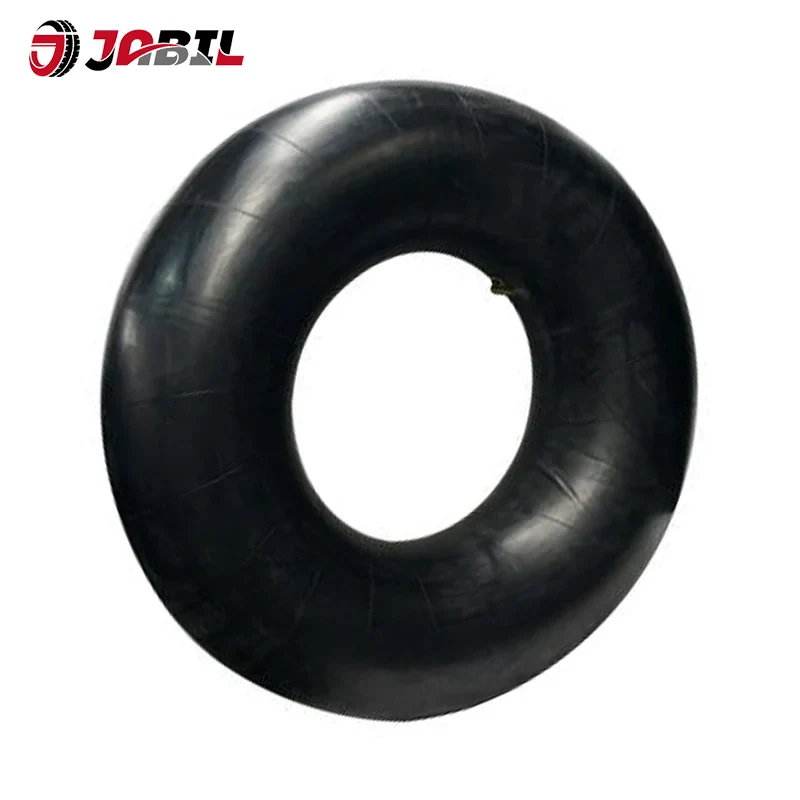
Even the right Tubes and Flaps benefit from correct handling. Installation quality, inflation discipline, and rim condition all influence performance after purchase. A strong product can still underperform if service practices are poor.
To improve service life, buyers and end users should keep these habits in mind:
- Inspect the rim before installation and remove sharp edges, corrosion, or debris
- Confirm the correct tube size and flap fit before assembly
- Avoid underinflation, which increases heat and internal movement
- Do not overstretch the tube during fitting
- Replace worn flaps rather than reusing them beyond their safe condition
- Check valve positioning carefully to prevent stress and slow leaks
- Monitor operating conditions instead of waiting for visible failure
These steps may look simple, but they often separate stable operation from recurring service calls. For many buyers, lower failure frequency matters even more than a lower initial unit cost.
If your tire system operates under load, heat, rough terrain, or long service cycles, internal protection should be treated as a performance decision, not just an accessory purchase. That is where carefully matched Tubes and Flaps make a measurable difference.
FAQ
1. Are flaps always necessary in tire assemblies?
Not in every tire configuration, but in many tube-type assemblies they are highly important. A flap helps protect the tube from direct contact with the rim area and reduces the chance of abrasion-related failure.
2. Can any tube with the same size marking be used as a replacement?
No. Size is only one part of the decision. Material quality, valve type, operating condition, and application category all matter. Two products with similar markings may perform very differently in service.
3. Why does a new tube sometimes fail too soon?
Common reasons include improper fitting, rim damage, poor flap condition, incorrect inflation, or using a product not suited to the real workload. Early failure is often a system issue rather than a single-part issue.
4. Which buyers should pay the most attention to Tubes and Flaps quality?
Fleet operators, agricultural users, industrial equipment owners, OTR buyers, distributors, and maintenance-heavy businesses should all pay close attention because downtime and repeat service costs can quickly outweigh a lower purchase price.
5. What makes a reliable supplier worth choosing?
A dependable supplier offers consistent product quality, broad application coverage, responsive communication, and the ability to support buyers with practical matching advice rather than only selling by size.
What should buyers remember before making the next purchase?
Choosing Tubes and Flaps is not a minor detail when performance, cost control, and operating continuity are on the line. The right internal components help protect the tire system, reduce avoidable failures, and improve long-term value in day-to-day use. For importers, distributors, maintenance teams, and equipment owners, a better buying decision starts with looking beyond surface appearance and focusing on fit, protection, durability, and dependable supply.
If you are looking for dependable Tubes and Flaps for passenger vehicles, trucks, buses, agriculture, industrial use, or off-road applications, JABIL Rubber Co., Ltd. is ready to help you match the right solution to your market and working conditions.
Whether you need stable bulk supply, practical product guidance, or a more suitable option for demanding applications, contact us today and let our team help you find the right product for your next order.