News

Why do car tires not have inner tubes and yet remain airtight?

2025-11-26

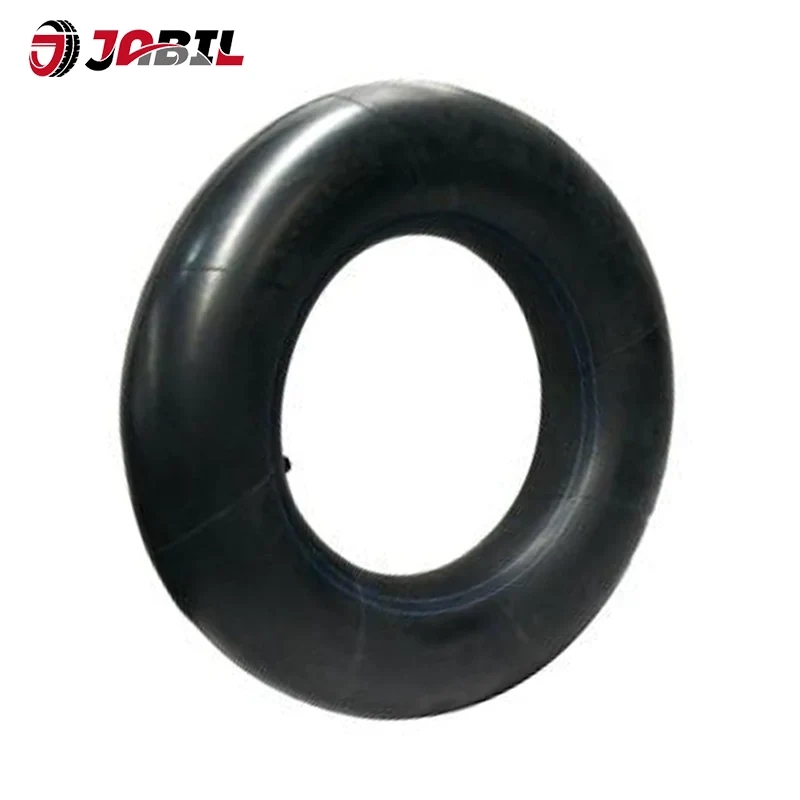
We all know that bicycles, motorcycles, agricultural machinery, and some trucks have inner tubes. The inner tube is soft, containing the air, while the outer tire is harder and primarily protects the inner tube. However, cars are different; their tires don't have inner tubes and yet don't leak air. Why is this?

Passenger Car Tubes

Currently, some trucks and agricultural vehicles, due to heavy loads requiring both inner and outer tires to share the pressure, still use older tires with inner tubes. This is because tubeless tires have a lower load-bearing capacity than inner tube tires, and the rim design for tubeless tires requires extremely high precision; the heavy loads on trucks can easily cause the rims to burst.


However, passenger cars generally use tubeless tires. Tubeless tires are called radial tires or vacuum tires, and they are generally divided into radial tires and bias-ply tires. These two types of pneumatic tires have the same structure, consisting of rubber components and ply layers. The most crucial component in a tire that helps the vehicle withstand external forces is the ply layer, which many people mistakenly believe is the thick rubber components, but this is not the case. Rubber plays a role in tire use, providing sealing, wear resistance, and cushioning. Bias-ply tires, as the name suggests, are named for the oblique intersection of the warp threads in their ply cords. Radial tires are named for the meridian arrangement of their ply cords, resembling the meridians on a globe.


Tubeless tires utilize an airtight layer on the tire's inner wall and rim to ensure good airtightness between the tire and rim. The outer tire also functions as an inner tube. The outer tire has a smooth, airtight edge and is mounted on the rim. After inflation, the air pressure presses the tire firmly against the rim. While not fitted with an inner tube, the tire itself has an internal airtight structure because it contains an airtight layer. This airtight layer, made of synthetic rubber, seals the compressed air inside the tire (similar to the function of an inner tube). Higher air pressure results in a tighter seal and better airtightness.


After being inflated, tubeless tires have increased surface tension, creating pressure on the inner surface and improving their self-sealing ability around the puncture. Even if punctured by a nail or other hard object, they will not deflate instantly like a bicycle tire, but can still run for a while.


Related News
X
We use cookies to offer you a better browsing experience, analyze site traffic and personalize content. By using this site, you agree to our use of cookies. Privacy Policy
Reject Accept