Passenger Boarding Bridge Solid Rubber Tire
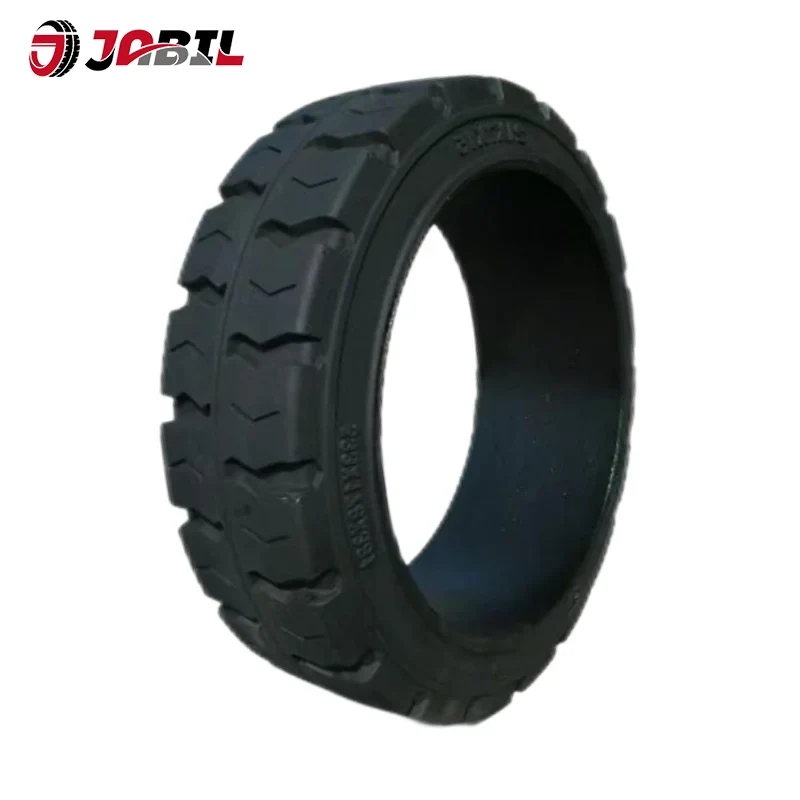
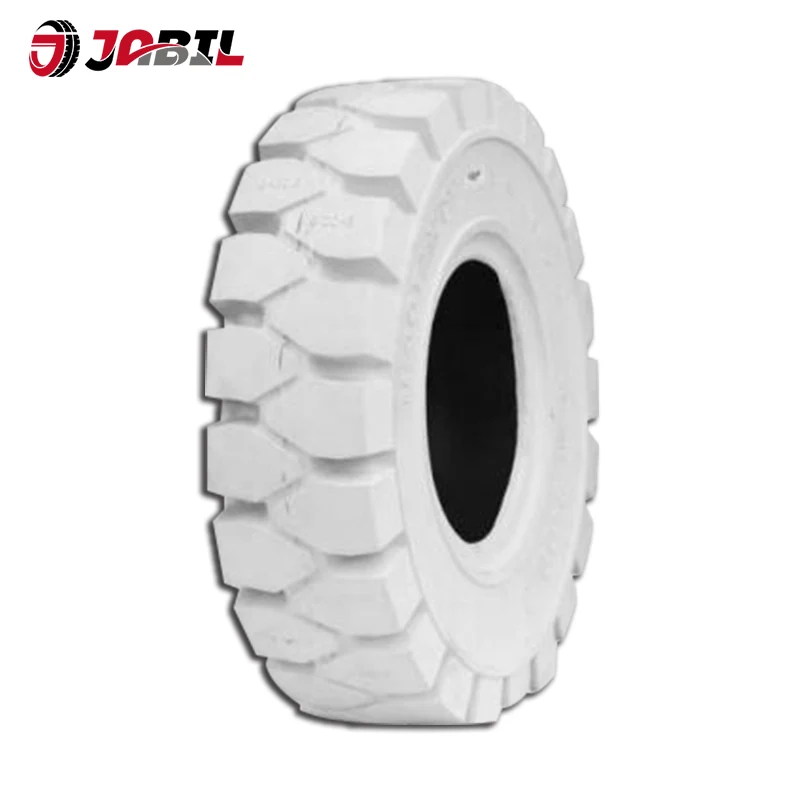
The Passenger Boarding Bridge Solid Rubber Tire is a specialized industrial tire engineered specifically for airport ground support equipment, with a primary application in passenger boarding bridges (PBBs), also known as jet bridges or airbridges . These tires are critical components that enable the safe, efficient, and quiet movement of boarding bridges as they connect airport terminals to aircraft. Our solid rubber tires are designed to eliminate the risks associated with pneumatic tires, such as punctures and pressure loss, ensuring uninterrupted airport operations, enhanced passenger comfort, and lower long-term maintenance costs.
The Engineering Behind Solid Rubber Tires for PBBs
Unlike pneumatic tires that rely on compressed air for support, solid rubber tires are manufactured from a homogeneous, high-density rubber compound. This composition provides inherent structural integrity, making them completely puncture-proof . This is a critical advantage in the high-stakes, 24/7 environment of an airport, where a flat tire on a boarding bridge can cause significant delays and operational disruptions. The solid construction ensures continuous, reliable service, eliminating downtime for emergency tire changes and keeping passenger flow smooth and on schedule. These tires are designed to withstand the constant movement, heavy loads, and varying weather conditions typical of airport tarmacs, delivering exceptional stability and traction .
Product Specifications & Load Capacity
Our Passenger Boarding Bridge Solid Rubber Tires are available in a range of sizes to suit various PBB models and load requirements. The following table provides detailed specifications, mirroring the load index data established for our Passenger Boarding Solid Tires. The "Other Industrial Vehicles" column is particularly relevant for high-speed airport operations, such as those of aviation cargo tractors and baggage conveyor belts.
|
Size
|
Figure
|
Load Index (kg)
|
|
Balanced Forklift
|
Other Industrial
Vehicles
16km/h
|
|
(inch)
|
(mm)
|
10km/h
|
16km/h
|
|
Drive
|
Steer
|
Drive
|
Steer
|
|
36X9X30
|
914.4X228.6X762
|
SM
|
5365
|
4630
|
5005
|
4290
|
4005
|
|
36X10X30
|
914.4X254X762
|
SM
|
6570
|
5750
|
6170
|
5335
|
5150
|
|
36X12X30
|
914.4X304.8X762
|
SM
|
7760
|
6925
|
7245
|
6420
|
6160
|
|
36X14X30
|
914.4X355.6X762
|
SM
|
9125
|
7905
|
7995
|
6790
|
6670
|
|
—
|
620X250X480
|
SM
|
/
|
/
|
/
|
/
|
/
|
|
40X12X30
|
1016X304.8X762
|
SM
|
10320
|
9005
|
9130
|
7990
|
7790
|
|
40X14X30
|
1016X355.6X762
|
SM
|
12650
|
11350
|
11550
|
10320
|
10060
|
|
40X16X30
|
1016X406.4X762
|
SM
|
14820
|
13200
|
1380
|
12250
|
12100
|
|
—
|
266x160
|
SM
|
1000
|
920
|
960
|
890
|
/
|
|
—
|
645x300x410
|
SM
|
5860
|
5700
|
5810
|
5660
|
/
|
Key Features for Airport Environments
The demanding airport environment requires tires that offer more than just durability. Our Passenger Boarding Bridge Solid Rubber Tires are designed with several key features to meet these specific needs:
• Non-Marking Tread: The specialized rubber compound ensures the tires leave no marks on airport tarmacs and terminal floors, maintaining clean, professional surroundings and eliminating the need for costly surface cleaning.
• Low Rolling Resistance: Engineered for efficient movement, these tires minimize the energy required to move the boarding bridge, reducing fuel consumption or battery drain on electric ground support equipment.
• High Wear Resistance: The robust tread compound is formulated to withstand the high-frequency, high-load use of a busy airport, providing a long service life that maximizes the return on investment.
• Superior Stability & Traction: A wide, flat tread pattern provides a stable base, ensuring smooth boarding bridge movement. The solid construction offers excellent traction on both wet and dry surfaces, a critical safety feature when maneuvering near aircraft.
These features collectively contribute to a lower total cost of ownership (TCO) by minimizing energy consumption, reducing maintenance frequency, and maximizing operational uptime .
Compatibility and Applications
Our solid tires are engineered to be compatible with a wide range of airport ground support equipment, providing a versatile and reliable solution for your entire GSE fleet.
|
Equipment Type
|
Application Description
|
Compatibility Notes
|
|
Passenger Boarding Bridges (PBBs)
|
Drive systems for bridges from all major manufacturers
|
Compatible with Thyssenkrupp, FMT, JBT AeroTech, CIMC, and Adelte systems
|
|
Luggage Conveyor Belt Trailers
|
Support wheels for cargo handling equipment
|
Durable solution for continuous baggage handling
|
|
Aviation Cargo Tractors
|
High-speed towing of cargo and baggage dollies
|
Engineered for 16km/h operation and heavy loads
|
|
Aircraft Stairs
|
Mobile stairs for passenger embarkation and disembarkation
|
Provides stability and safe operation
|
Why Our Solid Rubber Tires Stand Out?
When compared to pneumatic tires or solid tires from other suppliers, our Passenger Boarding Bridge Solid Rubber Tire offers distinct advantages that directly impact operational efficiency and cost.
|
Feature / Aspect
|
JABIL Solid Rubber Tire
|
Pneumatic Tire
|
Generic Solid Tire
|
|
Durability & Puncture Risk
|
Zero puncture risk; extremely durable
|
High risk of flats and sidewall damage
|
Variable quality, may wear unevenly
|
|
Maintenance
|
Low; no air pressure checks or replacements for punctures
|
High; frequent pressure and wear checks, repairs
|
Moderate; may require regular inspection
|
|
Downtime
|
Minimal; continuous operation guaranteed
|
High; unscheduled downtime for flats
|
Moderate; potential for service interruptions
|
|
Rolling Resistance
|
Optimized for energy efficiency
|
Variable; can increase with improper inflation
|
Often higher, reducing fuel efficiency
|
|
Total Cost of Ownership
|
Lowest, due to longevity and minimal maintenance
|
Highest, due to downtime and repairs
|
Medium
|
|
Non-Marking Tread
|
Standard
|
Not standard
|
Not always available
|
The clear advantage lies in the JABIL solid tire's ability to eliminate downtime and maintenance costs associated with pneumatic tires , providing a superior, long-term solution for high-traffic airport operations.
FAQ
Q1: What is the primary advantage of solid tires for passenger boarding bridges compared to pneumatic tires?
The primary advantage is their puncture-proof nature. Solid tires eliminate the risk of flats, ensuring continuous, uninterrupted operation of the boarding bridge, which is critical for maintaining flight schedules . They also require significantly less maintenance and offer a lower total cost of ownership over their lifespan.
Q2: Are these tires compatible with all major brands of boarding bridges?
Yes. Our solid tires are designed for universal fit and are compatible with Passenger Boarding Bridges from leading global manufacturers, including Thyssenkrupp, FMT, JBT AeroTech, CIMC, and Adelte .
Q3: What does the "SM" in the specifications table mean?
"SM" stands for Smooth Tread. This is the standard tread pattern for PBB tires, as it provides a clean, non-marking surface suitable for airport terminals and tarmacs while offering excellent traction and stability.
Q4: How do these tires perform in different weather conditions?
The advanced rubber compounds used in our solid tires are engineered to provide superior stability and traction on both wet and dry surfaces. This ensures safe and reliable operation in the varying weather conditions often encountered at airports .
Q5: How long can I expect these solid tires to last?
The service life of a solid tire depends on the specific load, speed, and operating environment. However, our high-wear-resistance rubber compound is designed for longevity, providing a durable solution that significantly outlasts comparable pneumatic tires and reduces the frequency of replacements .
Q6: Can these tires be used on other ground support equipment (GSE)?
Absolutely. These tires are also ideal for other airport GSE, including luggage conveyor belt trailers, aviation cargo tractors, and aircraft stairs, offering the same benefits of durability, low maintenance, and reliability across your entire equipment fleet .