China High Load Capacity Passenger Boarding Solid Tires Manufacturer, Supplier, Factory
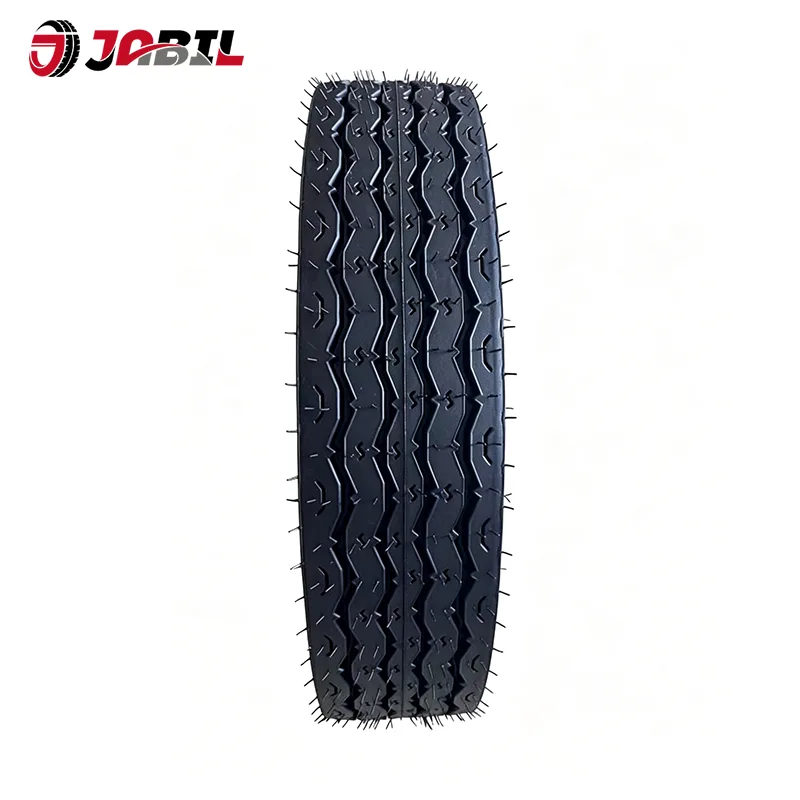
High Load Capacity Passenger Boarding Solid Tires are a specialized category of solid rubber tires engineered for airport ground support equipment (GSE) operating under extreme weight conditions. This product line is designed for pushback tugs, baggage tractors, high-capacity cargo loaders, and fuel trucks that require sustained load-bearing performance on airport aprons. Compared to standard solid tires, the high-load variants feature reinforced rubber compounds, optimized internal structures, and enhanced tread designs to accommodate the demanding operational characteristics of heavy-duty GSE—including frequent stop-and-start cycles, low-speed high-torque output, and exposure to jet fuel, hydraulic fluid, and de-icing chemicals.
Product Positioning & Application Scope
High Load Capacity Passenger Boarding Solid Tires are designed for ground support equipment operating in airport environments where standard tires are insufficient for the weight and duty cycle requirements. The product line addresses the following equipment categories:
• Pushback Tugs: Equipment used to push aircraft away from gates, requiring tires capable of handling instantaneous peak loads during initial pushback maneuvers, particularly with wide-body aircraft.
• Baggage Tractors: Vehicles towing multiple baggage trailers in continuous stop-and-go operations, requiring tires that withstand repeated impact loads and sustained towing forces.
• High-Capacity Cargo Loaders: Equipment handling heavy freight containers and pallets, requiring tires that maintain structural integrity under sustained static loads.
• Fuel Trucks & Hydrant Dispensers: Vehicles carrying substantial liquid weight, requiring tires with high load capacity and lateral stability during turning maneuvers.
The tires are designed for standard press-on rims and are compatible with existing GSE equipment without modification. Installation follows standard industrial solid tire mounting procedures.
Technical Specifications
The following table provides complete specifications for each available size in the High Load Capacity Passenger Boarding Solid Tires product line. Load ratings are based on standard test conditions and represent maximum static load capacity. For operational safety, continuous loads should not exceed 85% of the rated capacity.
|
Size
|
Pattern
|
Load Index (kg)
|
|
Balanced Forklift
|
Other Industrial Vehicles
16km/h
|
|
(inch)
|
(mm)
|
10km/h
|
16km/h
|
|
Drive
|
Steer
|
Drive
|
Steer
|
|
36×9×30
|
914.4×228.6×762
|
SM
|
5365
|
4630
|
5005
|
4290
|
4005
|
|
36×10×30
|
914.4×254×762
|
SM
|
6570
|
5750
|
6170
|
5335
|
5150
|
|
36×12×30
|
914.4×304.8×762
|
SM
|
7760
|
6925
|
7245
|
6420
|
6160
|
|
36×14×30
|
914.4×355.6×762
|
SM
|
9125
|
7905
|
7995
|
6790
|
6670
|
|
—
|
620×250×480
(620×255×475)
|
SM
|
/
|
/
|
/
|
/
|
/
|
|
40×12×30
|
1016×304.8×762
|
SM
|
10320
|
9005
|
9130
|
7990
|
7790
|
|
40×14×30
|
1016×355.6×762
|
SM
|
12650
|
11350
|
11550
|
10320
|
10060
|
|
40×16×30
|
1016×406.4×762
|
SM
|
14820
|
13200
|
13800
|
12250
|
12100
|
|
—
|
266×160
|
SM
|
1000
|
920
|
960
|
890
|
/
|
|
—
|
645×300×410
|
SM
|
5860
|
5700
|
5810
|
5660
|
/
|
Specification Notes:
• Dimension format is "outer diameter × section width × rim diameter" (inches/millimeters), following international industrial tire standard conventions.
• SM (Smooth) tread pattern is the standard configuration for airport applications where floor marking is prohibited.
• The "Other Industrial Vehicles" column corresponds to non-balanced forklift applications at 16km/h operating speed.
• The 40×16×30 size delivers the highest load capacity in this product line, rated at 14,820 kg for drive axle applications at 10km/h.
Structural Design & Material Composition
The performance characteristics of High Load Capacity Passenger Boarding Solid Tires are derived from the interaction between material formulation and structural design.
Rubber Compound:
The product utilizes a high-wear, cut-resistant natural rubber and synthetic rubber blend, reinforced with high-structure carbon black and proprietary reinforcing fillers. Compared to standard solid tires, the compound has been specifically adjusted in the following areas:
• Hardness maintained at Shore A 85±3 degrees, balancing load-bearing capacity with adequate elastic deformation characteristics.
• Antioxidant and antiozonant protection system formulated with anti-ozone wax and p-phenylenediamine antioxidants, providing resistance to UV exposure and ozone levels typical of airport apron environments.
• Oil and chemical resistance meets ASTM D471 requirements, maintaining dimensional stability and performance integrity when exposed to aviation fuel, hydraulic fluid, and de-icing chemicals.
Three-Stage Composite Structure:
High-load variants utilize a three-stage composite construction:
• Base Rubber Layer: The inner layer in contact with the rim, with lower hardness (Shore A 75±3), providing cushioning and reducing mounting difficulty.
• Transition Layer: The intermediate layer with hardness between the base and tread, functioning as stress absorption and energy transfer medium.
• Tread Layer: The outer layer in contact with the ground, with the highest hardness (Shore A 90±3), providing wear resistance and cut protection.
This three-stage structure distributes load forces progressively through the tire cross-section, preventing stress concentration and premature failure.
Equipment Compatibility & Selection Guidelines
The following table provides a reference for matching each tire size to typical GSE equipment types:
|
Size
|
Typical Equipment Applications
|
Selection Basis
|
|
36×9×30
|
Baggage tractors, light cargo loaders
|
Light to medium loads, area-specific operations
|
|
36×10×30
|
Baggage tractors, medium cargo loaders
|
Medium loads, general baggage handling operations
|
|
36×12×30
|
Baggage tractors, medium cargo loaders
|
Upgraded medium-load option, extended duty cycles
|
|
36×14×30
|
Medium pushback tugs, cargo loaders
|
Applications requiring increased load capacity
|
|
40×12×30
|
Large pushback tugs, high-capacity cargo loaders
|
Entry-level heavy-duty applications
|
|
40×14×30
|
Large pushback tugs, fuel trucks
|
Wide-body aircraft pushback operations
|
|
40×16×30
|
Heavy-duty pushback tugs, large cargo loaders
|
Highest load capacity, wide-body aircraft pushback
|
Selection Principles:
Load estimation should account for equipment dead weight, rated payload, and dynamic load factors. For aprons with frequent stops and starts or uneven surfaces, an additional 15–20% safety margin above the calculated static load is recommended.
High Load GSE Tires Compared
The following comparison evaluates High Load Capacity Passenger Boarding Solid Tires against three common alternatives in the heavy-duty GSE tire market:
|
Parameter
|
JABIL High Load Solid Tire
|
Standard Solid GSE Tire
|
Heavy-Duty Pneumatic Tire
|
Generic High Load Solid Tire
|
|
Maximum Load Capacity (40×16×30, 10km/h)
|
14,820 kg
|
8,000–10,000 kg
|
10,000–13,000 kg
|
12,000–14,000 kg
|
|
Tread Wear Life (equivalent duty cycle)
|
Baseline
|
60–70% of baseline
|
30–40% of baseline
|
80–90% of baseline
|
|
Lateral Rigidity (torsional load resistance)
|
High
|
Medium
|
Low (pressure-dependent)
|
Medium–High
|
|
Tread Pattern Types Available
|
SM (Smooth) standard
|
SM or Grooved
|
Grooved primary
|
SM or Grooved
|
|
Oil/Chemical Resistance
|
Excellent (specialized compound)
|
Medium
|
Medium (pressure-dependent)
|
Medium–Excellent
|
|
Mounting Method
|
Press-on (standard rims)
|
Press-on
|
Pneumatic (inflatable)
|
Press-on
|
|
Operating Temperature Range
|
-30°C to +50°C
|
-20°C to +45°C
|
-20°C to +45°C
|
-25°C to +50°C
|
Key Differentiators:
• Load Capacity: The 14,820 kg drive axle rating at 10km/h for the 40×16×30 size represents one of the highest load ratings available in this tire category, specifically designed for wide-body aircraft pushback operations.
• Tread Wear Life: The high-wear compound formulation delivers extended service life compared to standard alternatives, reducing tire replacement frequency in continuous-duty GSE applications.
• Lateral Rigidity: The reinforced three-stage construction provides enhanced resistance to torsional loads during turning maneuvers—particularly important for pushback tugs and fuel trucks.
• Chemical Resistance: The proprietary rubber compound maintains structural integrity when exposed to aviation fuel, hydraulic fluid, and de-icing chemicals, preventing premature degradation in airport apron environments.
VI. Frequently Asked Questions
Q1: What is the structural difference between high-load solid tires and standard solid tires?
High-load variants differ from standard solid tires in three key areas: tread rubber thickness (approximately 15–20% thicker for extended wear life), base rubber hardness (5 Shore A points higher for improved rim fit and torque transmission), and overall tire height (marginally increased to accommodate greater elastic deformation under load).
Q2: Under what test conditions is the 14,820 kg load rating for the 40×16×30 size measured?
The load rating is measured under ISO 3739 standard test conditions: ambient temperature 25°C, tire mounted on standard rim, equivalent pressure within specification, on smooth horizontal surface at 10km/h straight-line travel. For continuous operational loads, JABIL recommends not exceeding 85% of the rated capacity.
Q3: What are the expected service life parameters for this product line?
Under standard apron operating conditions (8 hours daily operation, load factor not exceeding 85% of rated capacity, smooth concrete or asphalt surface), the tread wear life is approximately 3–5 years. Service life varies based on duty cycle intensity, surface abrasiveness, and ambient temperature conditions. JABIL recommends tread depth measurement every 6 months, with replacement indicated when remaining tread depth falls below 30% of new tire thickness.
Q4: Which equipment typically requires the 40×16×30 size?
The 40×16×30 size is commonly specified for heavy-duty pushback tugs used with wide-body aircraft, as well as high-capacity cargo loaders and large fuel trucks. It represents the highest load capacity option in the product line and should be selected when equipment weight and towing load require the maximum available load rating.
Q5: What is the purpose of the three-stage composite structure?
The three-stage structure (base-transition-tread) serves to distribute load forces progressively through the tire cross-section. The softer base layer absorbs initial compression and facilitates rim fit; the transition layer transmits forces while providing a gradual hardness gradient; the hard tread layer delivers cut resistance and wear protection. This graduated design prevents stress concentration at any single point within the tire structure.