Airport Boarding Bridge Tires
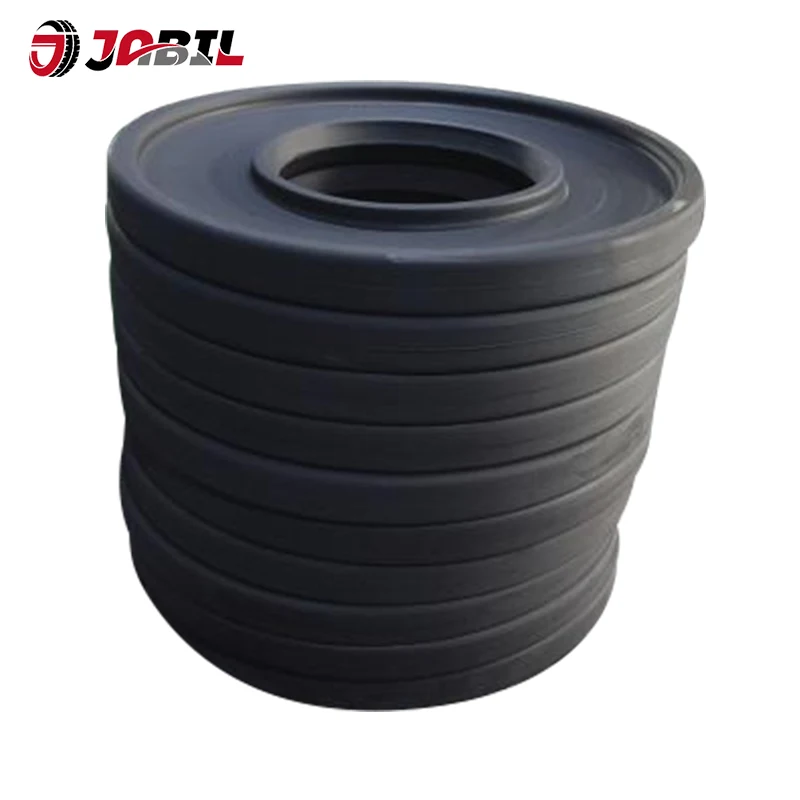
Airport Boarding Bridge Tires are specialized solid rubber tires engineered specifically for the drive systems of passenger boarding bridges (PBBs)—also known as jet bridges or airbridges—that connect airport terminals to aircraft. These tires are critical components that enable the precise, reliable, and safe movement of boarding bridges as they position and dock with aircraft of varying sizes. Manufactured by JABIL, a trusted industrial tire supplier in China with over 20 years of expertise in advanced polymer blends and precision molding, our Airport Boarding Bridge Tires are designed to eliminate the risks associated with pneumatic tires—such as punctures, pressure loss, and blowouts—ensuring uninterrupted airport operations, enhanced passenger safety, and significantly lower long-term maintenance costs.
The Critical Role of Boarding Bridge Tires in Airport Operations
Passenger boarding bridges are mobile structures that require frequent movement, positioning, and adjustments throughout daily airport operations. The tires fitted on these bridges must withstand constant movement, heavy loads, and varying weather conditions while providing stability and smooth operation. Unlike pneumatic tires, which are vulnerable to punctures from debris on airport aprons and require regular pressure checks, solid Airport Boarding Bridge Tires offer puncture-free operation that ensures continuous service. This reliability is essential for maintaining on-time departures and arrivals, as tire-related issues can cause unexpected downtime and delays. Industry reports indicate that choosing the right solid tires and maintaining them properly can significantly boost the lifespan of boarding bridges, reducing downtime and lowering maintenance costs.
Product Specifications
Our Airport Boarding Bridge Tires are available in a comprehensive range of sizes to suit various PBB models and load requirements. The following table provides detailed specifications for each available size, including load capacity data for different operating speeds and vehicle types.
|
Size
|
Pattern
|
Load Index (kg)
|
|
Balanced Forklift
|
Other Industrial Vehicles
16km/h
|
|
(inch)
|
(mm)
|
10km/h
|
16km/h
|
|
Drive
|
Steer
|
Drive
|
Steer
|
|
36×9×30
|
914.4×228.6×762
|
SM
|
5365
|
4630
|
5005
|
4290
|
4005
|
|
36×10×30
|
914.4×254×762
|
SM
|
6570
|
5750
|
6170
|
5335
|
5150
|
|
36×12×30
|
914.4×304.8×762
|
SM
|
7760
|
6925
|
7245
|
6420
|
6160
|
|
36×14×30
|
914.4×355.6×762
|
SM
|
9125
|
7905
|
7995
|
6790
|
6670
|
|
—
|
620×250×480
(620×255×475)
|
SM
|
/
|
/
|
/
|
/
|
/
|
|
40×12×30
|
1016×304.8×762
|
SM
|
10320
|
9005
|
9130
|
7990
|
7790
|
|
40×14×30
|
1016×355.6×762
|
SM
|
12650
|
11350
|
11550
|
10320
|
10060
|
|
40×16×30
|
1016×406.4×762
|
SM
|
14820
|
13200
|
1380
|
12250
|
12100
|
|
—
|
266×160
|
SM
|
1000
|
920
|
960
|
890
|
/
|
|
—
|
645×300×410
|
SM
|
5860
|
5700
|
5810
|
5660
|
/
|
Engineered for Airport Environments: Key Features
The demanding airport environment requires tires that offer more than just durability. Our Airport Boarding Bridge Tires are designed with several key features to meet these specific operational needs:
• Puncture-Proof Solid Construction: Eliminates the risk of flats, pressure loss, or blowouts—common concerns in busy airport aprons with debris, uneven surfaces, and frequent movement cycles. This ensures continuous, uninterrupted service and eliminates downtime for emergency tire changes.
• High Load Capacity: Designed to support the weight of the bridge and withstand frequent movement without compromising safety. Our tires handle heavy bridge structures and continuous movement cycles, with load capacities reaching up to 14,820 kg for the 40×16×30 size at 10km/h.
• Superior Stability and Traction: The wide, flat tread pattern provides excellent stability and traction on both wet and dry surfaces, ensuring smooth handling and reducing safety risks caused by tire issues.
• Exceptional Durability and Longevity: Constructed from premium rubber compounds that resist wear, cuts, and abrasions. Under normal service conditions, these solid tires have demonstrated operational lives of up to ten years—more than three times longer than pneumatic tires.
• Weather Resistance: Performs reliably under temperature fluctuations, rain, snow, and UV exposure. The robust rubber compound resists degradation from UV rays, oils, and airport chemicals.
• Low Maintenance: No regular air pressure checks, inflation adjustments, or puncture repairs are required. This frees maintenance teams to focus on other critical tasks and reduces overall operational costs.
Competitive Advantage: JABIL Airport Boarding Bridge Tires vs. Alternatives
When compared to pneumatic tires or solid tires from other suppliers, our Airport Boarding Bridge Tires offer distinct advantages that directly impact operational efficiency and total cost of ownership.
|
Feature / Aspect
|
JABIL Airport Boarding Bridge Tire
|
Pneumatic Tire
|
Generic Solid Tire
|
|
Puncture Risk
|
Zero — solid construction eliminates flats
|
High — vulnerable to debris and wear
|
Zero
|
|
Operational Lifespan
|
Up to 10 years under normal use
|
Significantly shorter; requires frequent replacement
|
Variable, often less than premium solid tires
|
|
Maintenance Requirements
|
Minimal — no pressure checks or inflation
|
High — regular pressure checks, repairs, replacements
|
Moderate — may require regular inspection
|
|
Downtime Risk
|
Minimal — continuous operation guaranteed
|
High — unscheduled downtime for flats
|
Moderate — potential for service interruptions
|
|
Weather Resistance
|
Excellent — performs in rain, snow, extreme temperatures
|
Moderate — pressure fluctuates with temperature
|
Variable
|
|
Stability & Traction
|
Superior — wide flat tread for consistent grip
|
Good, but can be compromised by improper inflation
|
Moderate
|
|
Total Cost of Ownership
|
Lowest — due to longevity and minimal maintenance
|
Highest — due to downtime and frequent repairs
|
Medium
|
|
Non-Marking Tread
|
Standard — SM pattern ensures clean runways
|
Not standard
|
Not always available
|
The clear advantage lies in the JABIL solid tire's ability to eliminate downtime and maintenance costs associated with pneumatic tires, providing a superior, long-term solution for high-traffic airport operations.
Frequently Asked Questions (FAQ)
Q1: What is the primary advantage of solid tires for airport boarding bridges compared to pneumatic tires?
The primary advantage is their puncture-proof nature. Solid tires eliminate the risk of flats, pressure loss, or blowouts, ensuring continuous, uninterrupted operation of the boarding bridge—which is critical for maintaining flight schedules. They also require significantly less maintenance and offer a lower total cost of ownership over their lifespan.
Q2: How do these tires perform in different weather conditions?
The advanced rubber compounds used in our solid tires are engineered to provide superior stability and traction on both wet and dry surfaces. They perform reliably under temperature fluctuations, rain, snow, and UV exposure, ensuring safe and reliable operation in the varying weather conditions often encountered at airports.
Q3: What is the most commonly used size for passenger boarding bridges?
The 40×16×30 inch size is the most commonly used for passenger boarding bridges. This size offers optimal load capacity (up to 14,820 kg at 10km/h) and compatibility with most PBB models.
Q4: Can these tires be used on other ground support equipment (GSE)?
Yes. While specifically engineered for passenger boarding bridges, these tires are also suitable for other airport GSE applications, including aircraft stairs, luggage conveyor belt trailers, and aviation cargo tractors, offering the same benefits of durability, low maintenance, and reliability.
JABIL Airport Boarding Bridge Tires for Uninterrupted Operations
Choosing JABIL's Airport Boarding Bridge Tires is a strategic decision to enhance operational efficiency, safety, and cost-effectiveness at your airport. By eliminating the risks of punctures and reducing maintenance requirements, our tires ensure your boarding bridges remain in continuous service, contributing to a seamless passenger experience. The combination of high load capacity, exceptional durability, weather resistance, and non-marking tread provides a tire solution that is both economically and operationally superior—designed to thrive in the demanding, 24/7 environment of a modern airport.